
Amazon product ranking can determine whether your brand grows or disappears in the highly competitive Amazon marketplace of 2025.
This year, ranking on Amazon is no longer just about basic optimization. Success now depends on aligning with Amazon’s COSMO (Common Sense Knowledge Generation) system alongside the existing A9 and A10 algorithms. Brands must focus on semantic relevance, behavioral trust signals, and cross-channel traffic strategies using platforms like Google, TikTok, Instagram, and email to strengthen organic visibility.
At the same time, the traditional foundations of A9 and A10 still apply. These systems continue to influence how products are indexed, evaluated, and ranked.
In this blog, we’ll break down how to improve Amazon product ranking using advanced strategies that top-performing brands are already scaling. These include data-driven audience segmentation, intelligent retargeting, optimized logistics, and review momentum that supports long-term growth.
This is not a surface-level checklist. Instead, it’s a strategic resource designed to help you understand how to rank higher on Amazon and maintain stable visibility while competitors struggle to keep up.
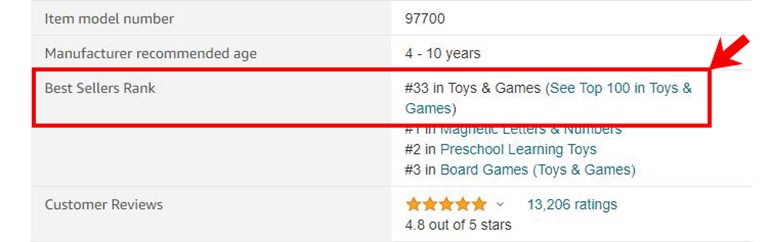
What Influences Amazon Product Ranking in 2025
If you’re asking how to rank products on Amazon in 2025, the reality is that you’re optimizing for multiple systems at once. Amazon currently relies on three major frameworks: A9, A10, and COSMO.
A9 handles foundational relevance, A10 evaluates real-world shopper behavior, and COSMO acts as Amazon’s AI-driven intent engine. Each plays a unique role in how your product is discovered and positioned.
A9: The Foundational Algorithm
A9 remains the backbone of Amazon search visibility. It ensures your product appears when shoppers enter relevant queries. This system still emphasizes keyword placement in titles, bullet points, and backend fields, along with sales velocity, conversion rate, and inventory availability.
For sellers learning how to rank a product on Amazon, A9 is the starting point. Strong A9 optimization helps Amazon clearly understand what you’re selling and when to surface it in search results.
A10: The Behavioral Signal Engine
A10 focuses on how shoppers interact with your listing. Instead of just keywords, it evaluates engagement signals such as click-through rates, dwell time, add-to-cart actions, repeat purchases, and review quality.
External traffic also plays a major role here. Listings that attract shoppers from Google, social media, or email campaigns often receive stronger ranking signals.
To improve product ranking on Amazon without excessive ad spend, consistency and trust are key. Poor customer experiences—such as misleading content, high return rates, or negative reviews—can quickly harm visibility.
COSMO: Amazon’s Intent-Based AI System
COSMO represents Amazon’s shift toward understanding buyer intent rather than just matching keywords. It analyzes natural language, FAQs, benefit-driven copy, and real-time shopper interactions to adjust rankings dynamically.
To rank higher under COSMO, listings must be written for people first. Clear explanations, problem-solving content, visuals, and storytelling help answer questions shoppers may not explicitly ask.
COSMO also works closely with conversational search tools like Rufus AI, making intent-focused content critical for future-proofing your listings.
SEO Optimization for Higher Organic Rankings
Ranking higher on Amazon no longer means stuffing keywords into every field. Modern Amazon SEO focuses on semantic relevance, smart keyword mapping, and continuous optimization based on performance data.
1. Prioritize Keyword Relevance
Instead of relying on one obvious keyword, expand into closely related phrases that reflect how shoppers search. These semantically connected terms help Amazon understand your product more completely.
Backend search terms still matter. Use the available character limit to include synonyms, misspellings, alternate phrasing, and relevant foreign-language terms—without repetition or punctuation.
Ongoing keyword testing and optimization ensure your listing stays competitive and aligned with evolving search behavior.
2. Conduct In-Depth Keyword Research
Effective Amazon ranking starts with understanding buyer search behavior. Analyze both short-tail and long-tail keywords to capture different intent levels.
Short-tail terms offer volume but face heavy competition, while long-tail keywords usually attract buyers closer to purchase with higher conversion potential.
Allocating ad budgets toward high-intent, lower-competition keywords allows you to generate stronger conversion signals that support organic ranking growth over time.
Strategically place these keywords across your title, bullet points, description, A+ content, and backend fields to build relevance around buyer intent.
3. Write Clear, High-Converting Titles
Your product title sets expectations and drives clicks. It should clearly communicate the product type, brand, key benefits, and distinguishing features without sounding robotic.
Although Amazon allows long titles, clarity and readability—especially on mobile—are more effective. A concise, benefit-driven title often performs better than an overstuffed one.
Testing different title variations can reveal the ideal balance between discoverability and click appeal.
4. Create Bullet Points That Convert
Bullet points should focus on benefits first, then features. Each line should quickly answer why the product matters to the buyer.
Keep bullets concise, scannable, and informative while naturally incorporating relevant keywords. Overloading bullets with repeated terms can reduce both trust and conversion rates.
5. Use Descriptions to Build Trust
Product descriptions are your opportunity to address buyer concerns and tell your brand story. Conversational language, clear explanations, and real-world use cases help build emotional connection.
While keywords still matter, readability and clarity should always come first. Amazon prioritizes customer experience over aggressive keyword placement.
6. Optimize Backend Keywords Strategically
Backend keywords support discoverability without cluttering visible content. Use space-separated, lowercase terms to include variations that don’t fit naturally elsewhere.
This hidden optimization layer continues to support indexing and relevance when used correctly.
Visual Content Strategy: A Ranking Advantage in 2025
Strong visuals are no longer optional. Images and videos heavily influence conversion rates, engagement, and ultimately product ranking.
Amazon shoppers scan before they read. Your visuals act as your storefront and play a direct role in how long shoppers stay on your listing.
Image Fundamentals That Matter
High-resolution images with clean backgrounds are essential. Zoom functionality, clear labeling, and detailed close-ups improve engagement and reduce uncertainty.
Amazon tracks how shoppers interact with visuals, and strong engagement contributes to better ranking signals.
Build a High-Impact Image Stack
Effective listings include lifestyle images, scale comparisons, feature overlays, and variation visuals. These help shoppers understand the product quickly and reduce returns.
Clear visual context also helps Amazon’s systems better categorize and trust your listing.
Leverage Interactive Media
Where available, interactive formats such as 3D models or augmented visuals can significantly improve conversion rates.
Higher engagement levels translate into stronger behavioral signals, supporting improved ranking performance.
Add Video for Maximum Impact
Video content increases dwell time and builds confidence. Short videos that show product use, explain benefits, and answer common questions can outperform static listings.
Even simple, well-structured videos can reduce objections and improve shopper trust.
Final Thoughts: Sustaining Amazon Product Ranking Long-Term
Amazon product ranking is not a one-time achievement—it requires continuous adaptation.
To stay competitive, sellers must monitor algorithm changes, review policy updates, optimize operations, and analyze category trends regularly.
Brands that succeed in 2025 are those that build flexible systems, respond quickly to data, and prioritize customer experience over shortcuts.
Visibility on Amazon isn’t permanent. It’s earned daily through relevance, trust, and consistent optimization.