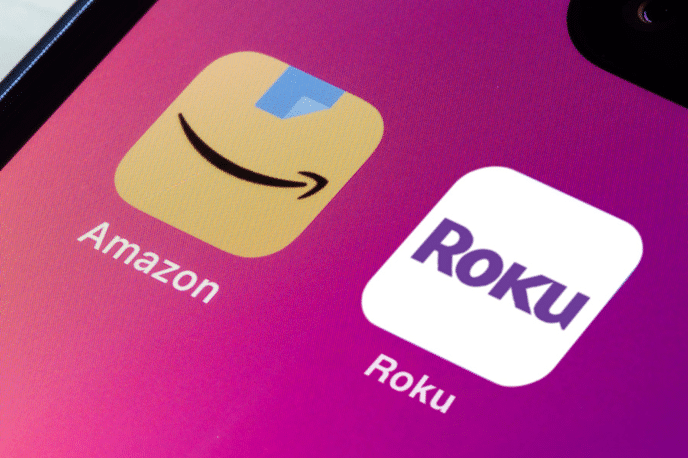
The Roku Amazon Ads partnership marks a major shift for enterprise-level Amazon sellers looking to scale beyond traditional PPC. It introduces a new way to connect television advertising directly with ecommerce performance.
Connected TV (CTV) advertising—ads shown on streaming platforms such as Roku, Amazon Prime Video, and other premium apps—has become the modern version of television marketing. However, until recently, running effective CTV campaigns was difficult due to fragmented platforms, scattered data, and limited visibility into sales outcomes.
Sellers were often forced to manage multiple systems, analyze disconnected metrics, and rely on assumptions rather than proof that TV ads led to actual purchases.
The Roku–Amazon Ads partnership changes that. Amazon DSP now acts as a central hub, giving advertisers access to over 80% of U.S. CTV households through Roku, Amazon-owned platforms, and premium streaming services like Disney and Paramount.
For the first time, Amazon sellers can pair TV advertising with Amazon’s shopper data, transforming traditional brand awareness campaigns into measurable, performance-driven sales engines. This collaboration bridges streaming engagement with real purchase intent, effectively turning TV screens into conversion tools. The Amazon Ads–Roku CTV partnership is expected to roll out by Q4 2025. Below is a closer look at how it reshapes the advertising landscape for Amazon sellers.

What the Roku–Amazon Ads Partnership Really Means
At its core, the Roku–Amazon Ads partnership redefines how sellers approach advertising—especially those focused on long-term brand growth and scalability. Here’s why it matters.
Full-Funnel Advertising Through One Platform
Historically, TV ads focused on brand exposure rather than measurable outcomes. While millions might see an ad, sellers had no clear way to determine whether it resulted in sales. That dynamic is changing.
With this partnership, Amazon DSP allows sellers to reach audiences across Roku devices—including streaming sticks, set-top boxes, and Roku-enabled smart TVs—alongside Fire TV and Amazon-owned platforms such as Prime Video, Freevee, and Twitch. Crucially, DSP can recognize logged-in users even as they move between devices.
For example, a shopper may see a kitchen gadget ad on a Roku TV and later browse that same product on a tablet or smartphone via Amazon. DSP identifies this as the same user, capturing the full journey.
Why does this matter? Because sellers can now retarget more precisely. Instead of casting wide nets, you can re-engage shoppers who already showed interest but didn’t convert—reducing wasted ad spend and improving efficiency.
That said, effective retargeting requires thoughtful strategy. Showing the same ad repeatedly can harm performance and inflate costs. With better user behavior insights, sellers can optimize frequency, messaging, and creative sequencing to improve ROAS.
This approach allows brands to blend storytelling with direct-response goals—driving traffic, boosting add-to-cart activity, and increasing sales.
For instance, a private-label kitchen brand might run a 15-second video on The Roku Channel, then follow up with Sponsored Display ads on Amazon, guiding shoppers smoothly toward conversion.
From Brand Awareness to Measurable Sales Impact
CTV ads were once considered impossible to measure beyond impressions. The Roku–Amazon Ads partnership changes that narrative completely.
By combining Amazon DSP, advanced identity resolution, and Amazon Marketing Cloud (AMC), sellers can now link ad exposure directly to real shopper behavior. This includes tracking product page visits, cart additions, and completed purchases.
Because campaign performance is transparent, sellers can optimize in real time. High-performing creatives can receive additional budget, while underperforming ones can be paused or refined—ensuring spend is always aligned with results.
Improved Budget Efficiency and Less Waste
One of the biggest advantages of this partnership is smarter budget utilization.
With the same ad spend, DSP campaigns can now reach more unique users than traditional TV buys. This makes CTV advertising more accessible—even for brands working within controlled budgets.
Advanced identity resolution also reduces overexposure. Viewers are less likely to see the same ad repeatedly, which improves engagement and brand perception.
Closed-Loop Measurement With Amazon Marketing Cloud
Traditional TV advertising struggled with measurement beyond reach and impressions. The Roku–Amazon Ads partnership solves this through closed-loop reporting.
Using AMC, sellers can track post-ad behavior in detail. For example, a cookware brand may discover that after running a Roku ad, thousands of viewers visited its product pages and hundreds completed purchases.
Even more powerful is AMC’s ability to map the full customer journey. A shopper might see an ad on Roku, then later browse Amazon on a mobile device or desktop. AMC connects all these touchpoints, providing a complete view from awareness to conversion.
This cross-channel attribution allows sellers to understand exactly how CTV ads influence buying decisions.
Access to Premium Streaming Inventory
Before this partnership, advertising across multiple streaming platforms often meant negotiating separate contracts or relying on third-party DSPs—an expensive and fragmented process.
Now, sellers gain direct access to Roku’s massive audience—where nearly half of U.S. streaming time occurs—alongside Amazon’s owned streaming inventory, all from one platform.
Additionally, advertisers can place ads within premium apps such as Disney, Paramount, Tubi, and more, ensuring their content appears alongside high-quality, engaging programming.
How Amazon Sellers Can Leverage the Roku–Amazon Ads Partnership
With the opportunity clear, sellers can take the following strategic steps to maximize impact:
Understand the Role of Amazon DSP
Amazon DSP enables programmatic buying across Amazon properties and third-party platforms, including connected TV.
Action: Evaluate how DSP fits into your advertising mix. If you’re new to it, onboarding with Amazon’s team or working with a certified DSP agency can reduce setup errors.
Test Full-Funnel Campaigns
This partnership supports awareness, consideration, and conversion campaigns simultaneously.
Action: Test different creatives at each funnel stage and use AMC data to identify high-performing sequences.
Align Campaigns With Seasonal Demand
CTV ads are especially powerful during high-intent periods like Q4 and post-Prime Day.
Action: Plan campaigns around peak shopping events and spotlight high-margin or promotional products.
Manage Frequency and Creative Strategy
Overexposure damages results. Frequency controls help maintain balance.
Action: Set frequency caps and focus on concise, engaging video creatives that clearly communicate product benefits.
Consider Expert Support
DSP and AMC analytics can be complex.
Action: Work with experienced Amazon advertising professionals to manage launches, analyze data, and optimize performance.
Challenges and Key Considerations
While powerful, the Roku–Amazon Ads partnership isn’t without challenges.
Budget Requirements
Amazon DSP CTV campaigns often involve minimum spend thresholds, which may be difficult for smaller sellers.
Creative Quality Is Critical
CTV ads are immersive and full-screen. Poor-quality visuals or generic messaging can quickly waste impressions. Sellers should focus on strong storytelling and clear product demonstration.
Data-Driven Optimization Is Essential
Profitability depends on understanding AMC insights. Sellers who set up analytics early will have a competitive advantage.
Learning Curve With DSP
Amazon DSP is more advanced than standard PPC. New advertisers may face a steep learning curve, making expert guidance valuable.
Final Thoughts
The Roku–Amazon Ads partnership represents a major evolution in how TV advertising connects with ecommerce performance. With its rollout expected by Q4 2025, sellers will be able to capitalize on this innovation during the most important shopping season of the year.
As retail media continues expanding into connected TV, more integrations are likely to follow. Sellers who adopt early will be best positioned to lead in performance-driven TV advertising.
In essence, this partnership turns the largest screen in the home into one of the most measurable and impactful tools in an Amazon seller’s advertising strategy.