Amazon product returns are an unavoidable part of selling on the platform. For sellers, every return represents a reversed sale, added operational costs, and sometimes exposure to return-related fraud. Managing these returns can feel frustrating, but what many sellers overlook is the hidden profit potential within returned inventory.
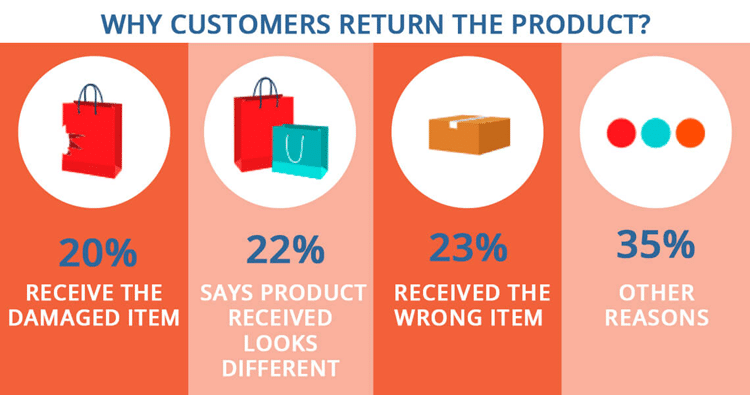
On average, nearly 12% of online purchases are returned. The rate climbs to 12–18% for casual apparel, 15–20% for electronics, and as high as 35% in premium fashion categories. These numbers show that Amazon product returns are not a minor issue—they represent a significant reverse supply chain and a large amount of tied-up capital.
In many cases, returned items sit untouched in warehouses until storage space becomes a problem. This reactive approach causes sellers to miss opportunities to recover value from returns. If you only address returns when space runs out, you are likely leaving money on the table.
The losses don’t stop at missed resale opportunities. Sellers also continue paying storage fees for unsold, returned inventory. Over time, these costs add up and directly impact profit margins.
How Should Sellers Handle Returned Amazon Products?
Avoid Letting Returns Accumulate
The key to managing returns effectively is acting quickly. Allowing returned items to pile up makes the process harder and more expensive. Sellers should track returns closely and ensure products move to the next stage of processing immediately or on a regular schedule. Assigning staff or implementing a structured workflow can prevent unnecessary delays.
Remove Labels and Amazon Markings
For items returned from FBA warehouses, it’s important to remove all LPN stickers or Amazon-specific identifiers before reselling. These labels can cause complications if the product is relisted or sold on another platform.
Although FBM products may not require strict label removal, it is still recommended to clear all markings. This ensures a clean presentation and avoids any confusion for future buyers.
Relist Products Whenever Possible
Some returned products come back in unused, like-new condition. These items can often be relisted on Amazon as new without any issues. For products that show signs of use, sellers should inspect, test, and grade them before resale—a process that may take additional time but can still yield returns.
In many cases, customers return items simply due to a change of mind. If the product is fully functional and intact, relisting it is one of the fastest ways to recover value. Optimizing your listing with improved images, descriptions, and keywords can help the product sell again quickly.
Explore Marketplaces Beyond Amazon
Amazon doesn’t have to be your only resale channel. Many sellers successfully move returned or lightly used inventory on alternative platforms such as eBay or other resale marketplaces. These platforms often welcome refurbished or open-box items and allow sellers to clear inventory at competitive prices.
Selling outside Amazon also gives you more flexibility. You can interact directly with buyers, offer auction-style pricing, or sell products that cannot be relisted as new on Amazon due to category restrictions (such as health or beauty).
For sellers using FBA, shifting to other platforms may require logistical adjustments. If changing fulfillment methods is not feasible, relisting on Amazon remains the simplest route.
Handling Products That Are Beyond Repair
Some returned items are damaged beyond resale due to missing components, faulty operation, damaged packaging, or expired shelf life. In such cases, sellers can return the products to manufacturers for parts salvage, or manage the process independently.
Many sellers choose to recover partial value by selling individual components locally at reduced prices. This method is similar to a refurbishment process, except it is handled directly by the seller instead of the manufacturer.
Consider Professional Return Management
Reselling returned inventory requires time, effort, and consistent monitoring. Sellers who lack resources can hire in-house staff dedicated to managing returns. Alternatively, working with third-party reverse logistics providers can streamline the entire Amazon product returns process and help maximize recovery value.
By taking a proactive approach, sellers can turn returned products from a liability into an additional revenue stream.