Your success as an Amazon seller mainly depends on two core elements. First, how well your products rank for buyer-focused keywords. Second, how efficiently you use Amazon PPC campaigns to grow your sales. While PPC is effective, the growing number of sellers running optimized ad campaigns has significantly increased CPC rates.
Although paid ads can support your organic ranking, relying solely on Amazon Sponsored Ads can hurt profitability in the long run. This makes mastering Amazon SEO more important than ever before.
Let’s explore modern product ranking strategies that help sellers adapt to Amazon’s evolving algorithm.
The Challenge of Ranking New Products on Amazon
By 2020, Amazon became extremely competitive, making it rare to find completely unsaturated product niches. As a result, sellers continuously look for smarter and safer ways to improve organic rankings without risking account suspension.
Instead of aggressive techniques that can trigger Amazon policy violations, experienced sellers now focus on sustainable ranking methods. Below are proven tactics that align with Amazon’s latest ranking updates.
Amazon Product Ranking Strategies That Work
Let’s begin with one of the most effective modern approaches—the Search, Find, Buy (SFB) strategy.
Search, Find, Buy (SFB) Strategy Explained
Facebook Ads are a powerful tool for driving targeted traffic to Amazon listings. By running well-structured Facebook campaigns, sellers can reach buyers based on their interests, behaviors, and demographics. Many private-label sellers are already seeing strong results with this approach.
To further streamline the process, sellers use Messenger chatbots to automate conversations and guide users through the buying journey. Chatbots reduce friction, boost engagement, and are easy to deploy using ready-made templates available online.
Another crucial step is offering customer rebates using external payment gateways. However, instead of discounted purchases, full-price purchases followed by rebates are far more effective. Amazon’s algorithm favors full-price sales, which helps improve organic rankings.
When customers search for a keyword, locate your product, and make a purchase, Amazon interprets this as strong keyword relevance—resulting in improved rankings.
Additional Amazon Ranking Factors You Should Know
Beyond SFB tactics, several other elements directly impact Amazon rankings and long-term profitability.
Tip #1: Use Traffic from High-Authority Domains
Sending traffic from high-authority websites to your Amazon listings can positively impact rankings. Platforms such as YouTube and Pinterest are great examples.
For instance, YouTube videos or Pinterest pins linking directly to your product listing can signal quality external traffic—something Amazon’s algorithm values highly.
Tip #2: Leverage Geo Ranking to Your Advantage
So, what exactly is geo ranking?
Amazon now evaluates performance data based on regions. It examines factors like customer buying behavior and product availability within specific locations.
By focusing your external marketing efforts on states where your inventory is stored, you can improve regional sales velocity. This localized sales growth strengthens your geo ranking and improves visibility in those areas.
Advanced software tools can also help analyze regional performance data and guide strategic decisions.
Tip #3: Maintain Healthy Inventory Levels
Keeping sufficient inventory is more important than ever. Sellers who stock more inventory often notice higher sales because Amazon prefers placing products closer to buyers.
When inventory is available near customer locations, Amazon reduces shipping costs and delivery time. This operational efficiency increases the likelihood of higher rankings and better Buy Box placement.
How the Amazon SERP Algorithm Is Evolving
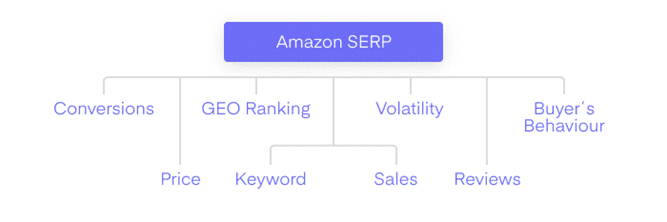
Amazon’s search algorithm is influenced by multiple variables, but inventory location and shipping speed now play a major role. Geo ranking further refines results by evaluating how well products perform with local audiences.
Since 2020, Amazon SERPs have evolved to give sellers more growth opportunities—especially those who adapt to regional selling patterns.
What Is Amazon Geo Ranking?
In late 2019, Amazon introduced significant updates to its A9 algorithm, one of which was geo ranking. This update ensures that product rankings vary based on the shopper’s location.
In simple terms, customer search location now directly impacts which products appear higher in search results.
Why Geo Ranking Benefits Amazon Sellers
This update allows sellers to approach product research with greater precision. You can now focus on specific states or regions and optimize your strategy based on regional demand.
For sellers willing to analyze location-based data, geo ranking opens up valuable growth opportunities.
How to Use Geo Ranking to Increase Sales
Let’s break down how sellers can practically apply geo ranking strategies.
Inventory-Level Optimization
Avoid running low on stock in key regions. Maintaining consistent inventory gives you an advantage over competitors who frequently go out of stock.
You can monitor inventory distribution using Amazon’s fulfillment reports:
- Log in to Seller Central
- Navigate to Reports → Inventory → Fulfillment
- Review Daily Inventory History
- Track which fulfillment centers store and ship your products
You can also find detailed shipment data under Reports → Sales → Amazon Fulfilled Shipments.
Product Listing Optimization by Region
Your product listing should resonate with your target regional audience. This includes adapting language, tone, and descriptions based on buyer preferences in different locations.
Customized content aligned with regional buying psychology often performs better than generic listings and can significantly improve conversions.
Using Amazon Marketing Tools
Both Amazon sellers and non-sellers can take advantage of Amazon DSP. This platform allows advertisers to target customers by location, making it ideal for regional campaigns within the US.
Off-Amazon Regional Marketing
Platforms like Facebook and Google Ads are excellent for targeting specific states. Instead of broad national campaigns, focus on regions where competition is weaker or rankings are lower.
By targeting gaps in underperforming states, you can capture untapped demand and strengthen your geo ranking.
Final Thoughts
With PPC competition intensifying, sellers must look beyond ads to maintain profitability. Geo ranking, inventory optimization, and regional targeting offer powerful alternatives for sustainable growth.
Understanding where to scale and which audiences to target can dramatically improve sales performance. Ultimately, success on Amazon comes from balancing customer-focused optimization with algorithm-friendly strategies to reach the right buyers at the right time.