Selecting the right Amazon seller name is an important business decision because it directly influences how customers perceive your brand. A strong seller name helps create positive associations and builds trust with potential buyers from the start.
Currently, Amazon hosts more than 9.7 million registered sellers worldwide. Around 2 million of them actively sell products, and independent third-party sellers account for over 60% of total Amazon sales. The marketplace continues to grow rapidly, with more than 280,000 new seller accounts added in a recent quarter.
With competition rising at such a fast pace, it raises an important question—does your Amazon seller name really matter, or is the product alone enough to succeed?
The truth is, both play a vital role. While product quality drives sales, your Amazon seller name acts as your brand identity. It is visible to millions of shoppers and can help distinguish your business from countless competitors.
This guide breaks down the most important factors you should consider when choosing an Amazon seller name. With the right approach, you can position your seller account for long-term success on the platform.
Match Your Seller Name With Your Brand Identity
When selecting an Amazon seller name, it’s essential to think about your overall brand image. Your seller name should align closely with your business name, product branding, and marketing strategy.
Using a consistent name across your Amazon store, website, and social media platforms makes your brand easier to recognize and remember. This consistency strengthens brand trust and helps your off-Amazon marketing efforts support your Amazon listings effectively.
Your Amazon seller name represents your business publicly and remains tied to your account long-term. Since frequent changes aren’t ideal, it’s important to choose a name that looks professional, feels reliable, and leaves a strong impression on customers.
If you’re finding it difficult to come up with ideas, online name generators can help spark inspiration. Many tools allow filtering by industry or keyword to generate seller name suggestions that align with your niche.
Understand the Context of Your Business
Context plays a key role when choosing an Amazon seller name. This name is often the first interaction a customer has with your brand, so it should accurately reflect what you sell and how you operate.
Start by identifying your seller type. Are you offering handmade goods, private-label products, or reselling items from other manufacturers? Your business model can guide the tone and wording of your seller name.
For instance, sellers offering natural wellness products may include words like “herbal” or “organic” to make their niche instantly clear. A context-relevant name can also help buyers feel more confident about the products you offer.
Important Things to Keep in Mind When Choosing an Amazon Seller Name
Make It Easy to Remember
A memorable Amazon seller name can make a big difference. Ideally, customers should be able to recall your name effortlessly, even if they have only seen your listing once.
Short, distinctive names tend to stick better. Choosing a name that stands out visually and phonetically makes your brand more recognizable in a crowded marketplace.
Avoid Copying Other Brands
Never choose a seller name that closely resembles an existing brand. Doing so can confuse customers and damage your credibility.
Copying well-known brands may seem tempting, but it can lead to serious issues. Trademark owners actively protect their brand identities, and using a similar name could result in account suspension or legal action.
Don’t Limit Yourself With an Overly Specific Name
Being too specific can restrict your future growth. Your Amazon seller name should allow flexibility if you decide to expand into new product categories later on.
For example, a seller name focused only on beauty products may cause confusion if the brand later sells electronics or apparel. Customers may doubt the authenticity of the brand or hesitate to make a purchase.
Choosing a versatile name ensures your business can adapt without rebranding challenges.
Include a Relevant Keyword (If Applicable)
If you plan to focus on a single product category, adding a relevant keyword to your Amazon seller name can help shoppers quickly understand what you sell.
For example, including words like “books” or “publishing” can make your store easier to find for customers searching within that niche. However, keyword use should feel natural and not forced.
Use Positive and Trust-Building Words
Positive wording in your seller name creates a sense of reliability and professionalism. It helps establish trust even before customers interact with your product listings.
Negative or questionable wording can create an unfavorable first impression and discourage buyers from engaging with your brand.
Maintain a Professional Tone
Professional seller names support long-term brand growth. As your reputation improves, a clean and credible name makes it easier to attract repeat customers and larger audiences.
Unprofessional names can make a business seem unreliable or inexperienced, which may drive customers away.
Avoid Special Characters and Slang
Using special characters, abbreviations, or slang in your Amazon seller name can confuse customers and make your brand harder to remember. Clear, simple wording works best. A name that is easy to read and pronounce improves discoverability and customer recall.
How to Change Your Amazon Seller Name
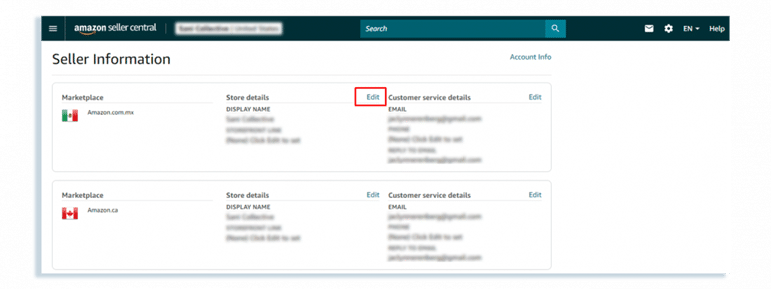
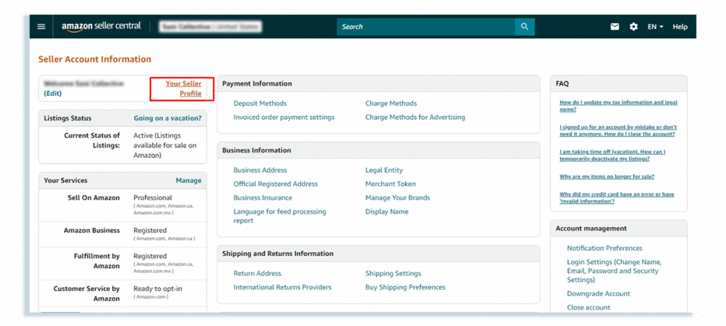
If you decide to update your existing Amazon seller name, follow these steps:
- Log in to your Amazon Seller Central account
- Navigate to Settings and click Account Info
- Locate Your Seller Profile
- Click Edit and enter your new seller name
- Save the changes to confirm
Keep in mind that if you sell on multiple Amazon marketplaces, the seller name must be updated separately for each region.
The Impact of Changing Your Amazon Seller Name
Updating your Amazon seller name can bring both benefits and challenges.
On the positive side, a new seller name that better reflects your brand can improve visibility and memorability. Customers may find it easier to recognize and connect with your business.
However, changing your seller name may confuse existing customers, especially if you already have a loyal audience. Shoppers who recognize your old name may hesitate to purchase under a new identity.
For this reason, it’s important to weigh the pros and cons before making changes.
Conclusion
Choosing the right Amazon seller name is more than a formality—it’s a branding decision that impacts visibility, trust, and long-term growth. Your seller name should be unique, easy to remember, brand-appropriate, and flexible enough to support future expansion.
Before finalizing your name, ensure it’s not already in use and consider incorporating relevant keywords where appropriate. With thoughtful planning, you can select an Amazon seller name that helps your business stand out and succeed in a competitive marketplace.