Customer reviews play a crucial role in the success of any eCommerce business. On a buyer-focused marketplace like Amazon, reviews often become the deciding factor for shoppers when choosing between products. For sellers, amazon review act as social proof that highlights product quality and reliability, since most customers prefer reading feedback from other buyers before making a purchase.
Research shows that more than 80% of shoppers read product reviews before deciding to buy. Because such a large portion of buyers rely on reviews, the marketplace has seen a growing number of fake reviews and manipulated ratings. While Amazon continues to take steps to address this issue, fraudulent reviews still remain a concern for sellers and customers alike.
Why Reviews Matter for Your Business
Reviews Provide Valuable Market Insights
Selling successfully on Amazon requires detailed market research. When planning to launch a new product, analyzing reviews of existing products can help you understand what customers actually want. These reviews reveal both the strengths and weaknesses of current offerings.
An Amazon review analysis tool allows sellers to identify customer preferences, common complaints, and purchasing motivations. By studying these insights, sellers can improve their product design, address customer pain points, and launch products that better match market demand.
Customers Rely Heavily on Reviews
Consumer buying behavior has changed significantly in recent years. Checking social media feedback, reading reviews, and comparing prices have become normal steps in the buying process. Product reviews now play a major role in shaping purchasing decisions.
Because customers depend so heavily on feedback from other buyers, sellers must focus on developing a strong review strategy. Encouraging genuine reviews and maintaining transparency helps build trust with potential customers.
Positive Reviews Improve Brand Visibility and Rankings
A seller’s brand reputation is closely linked to the products listed in their catalog. Sellers who offer multiple high-quality products have more opportunities to receive positive customer feedback.
Strong reviews increase brand awareness and improve visibility both on Amazon and beyond the platform. In addition, user-generated content such as reviews contributes to higher conversions, as potential buyers feel more confident purchasing products that others recommend.
When customers read positive feedback and decide to purchase, it improves conversion rates and boosts organic traffic. Reviews on Amazon, social media platforms, and other online communities also strengthen credibility, turning customer feedback into a powerful marketing asset.
Why You Need an Amazon Review Checker
Beyond improving product quality, sellers must also focus on customer satisfaction to grow their business. Monitoring customer feedback is one of the most important metrics for understanding how well your product performs.
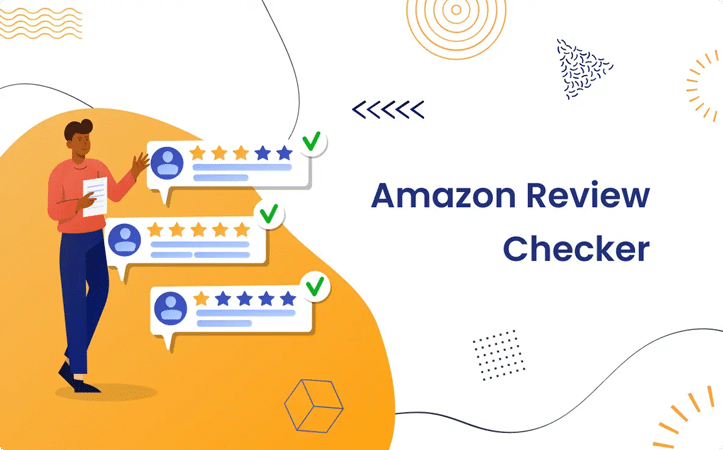
An Amazon review checker helps sellers track and analyze both positive and negative reviews. Satisfied customers usually leave positive feedback, but negative reviews also provide valuable information that should not be ignored.
Negative feedback can impact product rankings, reduce sales, and harm brand reputation. By monitoring reviews with an analysis tool, sellers can identify why customers are dissatisfied and quickly address the problem. In some cases, resolving a customer’s issue may even lead them to update or revise their review.
Amazon’s One-Tap Review System
In 2019, Amazon introduced a one-tap rating feature that allows customers to leave product ratings quickly with just a single click. This system enables buyers to rate products from one to five stars without writing a detailed review.
The feature is available to verified customers who have purchased the product through Amazon. However, the platform does not clearly explain how these ratings affect the overall star rating or whether they carry the same weight as written reviews.
One advantage of this feature is that it increases the likelihood of customers leaving feedback. While one-tap ratings may not provide detailed product insights, they can still influence potential buyers who rely on star ratings when evaluating a product.
Using a review analysis tool can help sellers process this feedback more efficiently and understand trends in customer sentiment.
Amazon’s simplified review process also makes it easier for sellers to request reviews from buyers. Although it may not completely eliminate fake reviews, it encourages genuine customers to leave honest feedback.
Additionally, various feedback request tools are available online that help sellers automate the review request process and increase response rates.
How to Identify Fake Reviews on Amazon
Fake reviews are not limited to Amazon—they exist across many online platforms. For sellers, identifying whether a review is genuine or manipulated is extremely important.
While gathering ratings is simple, reviewing the content itself helps determine whether feedback is trustworthy. Here are a few common signs that may indicate suspicious reviews:
- Extremely positive or extremely negative reviews that follow a repeated pattern.
- Reviews that provide very little product information but offer exaggerated praise.
- Feedback describing a completely different experience compared to most other reviewers.
- A sudden cluster of reviews posted within a very short time period.
Analyzing these patterns can help sellers recognize questionable feedback and better understand their review landscape.

Amazon’s “Verified Purchase” Reviews
To promote authentic feedback, Amazon introduced the “Verified Purchase” label. This badge shows that the reviewer actually bought the product through Amazon, helping buyers trust the authenticity of the review.
Sellers can encourage verified reviews through several legitimate methods, including:
- Participating in the Early Reviewer Program
- Enrolling products in the Amazon Vine Program
- Adding product inserts that encourage feedback
- Using automated communication tools such as chatbots
However, some sellers attempt to manipulate the system. In certain cases, sellers contact potential reviewers through social media groups or review communities and ask them to purchase a product.
After the buyer leaves a five-star review, the seller may reimburse them through external methods like PayPal or gift cards. Because these transactions occur outside the Amazon platform, they are difficult for Amazon to track.
Final Thoughts
Encouraging customers to leave honest reviews can be challenging, and even genuine buyers may not always provide positive feedback. Although Amazon continues to introduce measures to reduce fake reviews, the issue still exists across the marketplace.
Fake reviews can negatively affect sellers who follow the rules and operate ethically. For this reason, regularly analyzing product reviews is essential. By monitoring feedback, identifying trends, and addressing customer concerns, sellers can improve their products, protect their reputation, and build stronger trust with buyers.