
There’s a familiar moment most Amazon users experience—scrolling late at night and suddenly spotting a product at a price that feels too good to be true. Maybe it’s a camping lantern you’ve been comparing for weeks, and one amazon sellers lists it for nearly half the market price.
What many people don’t realize is that sellers like this often have a major advantage. They may be sourcing directly from overseas manufacturers, operating on strong profit margins, and selling high volumes without spending heavily on ads. They aren’t hiding—they just aren’t easy to find through basic searches because Amazon’s system isn’t designed that way.
While most people focus on finding the right product to sell, experienced sellers take a different approach. They focus on finding the right sellers. Knowing how to locate sellers on Amazon opens doors to wholesale deals, partnerships, and competitive insights that typical product research never reveals. Over the past few months, we analyzed how high-performing sellers—earning anywhere from $50K to $500K per month—use seller search strategically.
What became clear is that there’s a major gap in available information. Most guides explain the basics, like clicking a seller’s name on a listing, but stop there. That’s technically correct, but not enough to be useful in real-world scenarios.
The marketplace has also evolved rapidly. Between 2024 and 2025, Amazon introduced major updates that changed how sellers appear and rank. The A10 algorithm improved how storefronts are indexed, new title rules reduced keyword stuffing, and trust badges such as “Established Seller” and “Fast Shipper” were introduced. With millions of sellers on the platform, visibility now depends heavily on adaptation.
TL;DR: Key Takeaways for Amazon Seller Search
With hundreds of new sellers joining daily and many rebranding or shifting strategies, locating the right seller requires more than just basic search methods.
To succeed, you should clearly understand the difference between seller names, brand names, and storefront names—this is where most confusion begins. It’s also essential to learn multiple search techniques because no single method works every time.
Keeping track of seller URLs and IDs helps maintain consistency in research, while verifying seller credibility ensures safer purchases and partnerships. Ratings should always be evaluated in context, not just percentages.
Using advanced filters, mastering communication through Amazon’s messaging system, and consistently tracking competitors can give you a serious advantage. Regular storefront analysis and alerts for new sellers entering your niche can further strengthen your strategy.
Why Amazon Seller Search Matters Beyond Shopping
Looking up a seller isn’t just about buying a product—it’s about understanding the people behind the listings. Successful sellers analyze who’s selling what, how they position their products, and what strategies help them stand out.
Brand Partnerships That Drive Sales
A large number of Amazon sellers operate branded stores, and many are open to collaboration—even if they don’t publicly promote it. The key is approaching them with well-researched, targeted proposals instead of generic outreach.
For example, if you sell fitness supplements and another seller specializes in recovery tools, a bundle offer could benefit both businesses. But before reaching out, you need to evaluate their storefront, pricing strategy, and performance metrics to ensure compatibility.
The real value of seller search is the insight it provides. By reviewing their catalog and positioning, you can determine whether they’re a good fit for collaboration or not.
Wholesale Opportunities Most Sellers Miss
Many Amazon sellers double as manufacturers or distributors but don’t openly advertise wholesale options. They operate retail storefronts while quietly maintaining business-to-business supply channels.
Identifying these sellers can significantly reduce sourcing costs. By analyzing their product range, pricing patterns, and catalog depth, you can spot potential suppliers and initiate direct communication.
Competitive Intelligence That Drives Growth
Top sellers consistently monitor their competitors—not obsessively, but strategically. By studying storefronts, pricing changes, and review trends, they gain insights into what works and what doesn’t.
Tracking competitor activity weekly helps identify product launches, pricing shifts, and promotional strategies. This kind of structured analysis is what separates growing brands from stagnant ones.
Protecting Your Brand and Listings
Counterfeiting remains a concern for many sellers. Unauthorized sellers can damage brand reputation by offering low-quality versions of products.
Being able to quickly locate these sellers, verify their legitimacy, and report violations is critical. While Amazon’s enforcement systems have improved, proactive monitoring is still necessary to protect your brand.
Resolving Orders and Customer Issues
Sometimes the goal is simple—resolving an issue with an order. Whether it’s a missing package or a delayed shipment, knowing how to find and contact a seller efficiently can save time and frustration.
Networking and Market Insights
The Amazon ecosystem includes a vast network of sellers, many of whom share insights through communities and social platforms. Finding sellers in your niche can lead to valuable connections, collaborations, and shared knowledge.
Methods to Find Amazon Sellers
Most guides only cover a few techniques, but there are multiple ways to locate sellers depending on your situation.
Product Page Method
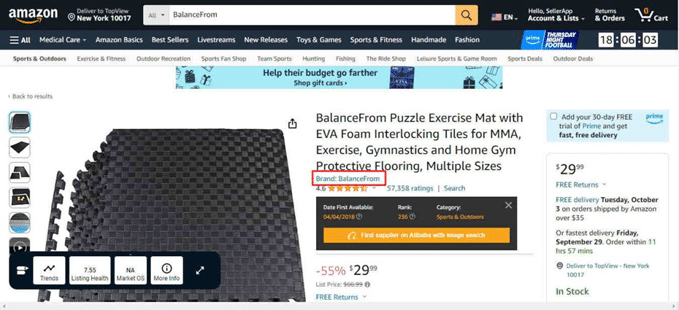
The most straightforward approach is to start with a product listing. From there, you can click on the brand name or seller name to access their profile or storefront.
This method is quick and effective when you already know a product associated with the seller. However, it’s important to note that the brand and seller names may differ.
Search Bar Method
If you know the seller’s name, you can search for it directly. However, Amazon prioritizes products in search results, so you’ll need to identify listings associated with that seller and navigate from there.
This method works best with unique seller names but can be less effective with generic ones.
Direct Storefront URL
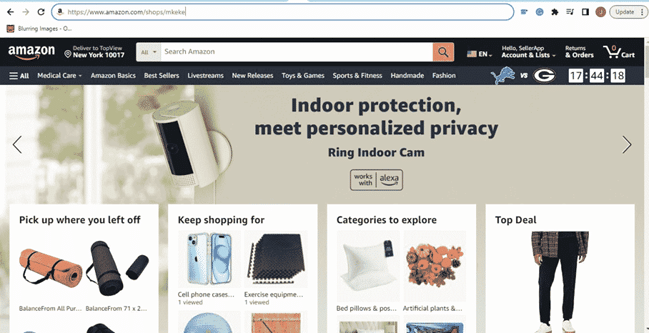
Advanced users sometimes access storefronts directly using a specific URL format. While this can be fast, it requires knowing the exact storefront name, which isn’t always obvious.
Category-Based Search
When you don’t have a specific seller or product, browsing within categories can help identify sellers operating in a particular niche. This approach is useful for market research and competitor discovery.
What to Analyze After Finding a Seller
Once you locate a seller, the next step is understanding their performance and strategy.
Ratings and Feedback
A high rating is important, but context matters more. A seller with thousands of reviews and slightly lower ratings may be more reliable than one with perfect ratings but minimal feedback.
Reading customer reviews helps identify recurring issues and overall reliability.
Product Catalog Insights
A seller’s product range reveals their business model. A focused catalog suggests a strong brand strategy, while a wide, unrelated selection may indicate reselling or liquidation practices.
Shipping and Policies
Not all sellers follow the same policies. Reviewing shipping times, return policies, and additional terms is essential—especially for high-value purchases.
Promotions and Deals
Some sellers offer discounts and bundles directly on their storefronts that aren’t visible in general search results. Exploring these deals can lead to better pricing.
Communication and Responsiveness
Amazon’s messaging system allows direct communication with sellers. Professional sellers typically respond quickly and provide clear information.
Advanced Seller Strategies Used by Top Performers
Successful sellers treat research as an ongoing process rather than a one-time task.
They regularly review competitor storefronts, track pricing trends, and analyze product launches. This consistent monitoring helps them stay ahead of market changes.
They also use seller search to identify new product opportunities by studying gaps in competitor offerings.
Additionally, many use this approach to discover suppliers and build relationships that improve their supply chain.
Common Mistakes to Avoid
One of the biggest mistakes is confusing brand names with seller names, which can lead to incorrect conclusions.
Another is focusing only on price without evaluating seller credibility, which increases the risk of poor-quality purchases.
Failing to save or bookmark reliable sellers can also make future research more difficult.
Assuming all sellers are authorized distributors is another common error—verification is always important.
Recent Changes in Amazon Seller Search
Amazon has introduced several updates that impact how sellers are found and evaluated.
Storefronts are now more advanced, offering better design and content options. New trust badges help identify reliable sellers more quickly.
The search algorithm has improved in recognizing seller-related queries, making it easier to find established brands.
Stricter enforcement policies have reduced counterfeit listings, while clearer location information improves shipping transparency.
Future Trends in Seller Discovery
Looking ahead, Amazon is likely to integrate more AI-driven recommendations to help users discover sellers.
The platform is also expected to enforce stricter requirements, resulting in fewer but higher-quality sellers.
Social commerce integration may further change how users find sellers, with more traffic coming from external platforms.
Final Thoughts
Finding sellers on Amazon is no longer a simple task—it’s a strategic process that can unlock major opportunities.
Whether your goal is sourcing products, analyzing competitors, or forming partnerships, mastering amazon seller search gives you a significant advantage.
With new sellers entering the marketplace daily, staying informed and consistent in your approach will determine your success.