
Amazon account suspensions remain one of the biggest fears for online sellers. Many businesses invest significant time, effort, and money into building their stores, only to risk losing everything due to an unexpected suspension or listing restriction.
The good news is that sellers can reduce these risks by understanding Amazon’s policies and knowing how to respond if an issue arises. This guide explains the different types of Amazon account interruptions, why they happen, and how sellers can successfully appeal them in 2026.
What Happens When Amazon Suspends Your Account?
Amazon seller account interruptions come in several forms, and each one carries a different level of severity. Understanding these categories helps sellers respond appropriately and improve their chances of reinstatement.
ASIN Suppression
Amazon may restrict your ability to sell a specific ASIN (Amazon Standard Identification Number) without suspending your entire account.
When an ASIN is suppressed, the product still exists in Amazon’s catalog, but you are no longer allowed to sell it. Even private-label sellers can face this issue. Fortunately, suppressed listings can often be restored by submitting a proper appeal and correcting the underlying problem.
Account Suspension
A suspension is typically the first major enforcement action Amazon takes against a seller account.
Although serious, a suspension still gives sellers the opportunity to appeal the decision. Amazon usually provides a notification explaining the reason for the suspension and may include a deadline for submitting an appeal, often within seven days.
In most cases, sellers must submit a detailed Plan of Action (POA) explaining how they will resolve the issue and prevent it from happening again.
Appeal Denied
After submitting a Plan of Action, Amazon may reject the appeal if it feels the response is incomplete or fails to address the issue properly.
A denied appeal does not mean the process is over. Sellers can revise their Plan of Action and resubmit it multiple times. Many sellers eventually regain their accounts after refining their explanation and providing stronger supporting evidence.
Permanent Ban
The most severe outcome is a permanent ban from Amazon’s marketplace.
Once banned, Amazon typically stops reviewing appeals or responding to emails regarding the account. At this stage, reinstatement becomes extremely difficult. Attempting to open a new account is also risky because Amazon is highly effective at identifying linked or duplicate accounts.
For many sellers, a permanent ban effectively ends their ability to sell on Amazon.
How Amazon Notifies Sellers About Suspensions
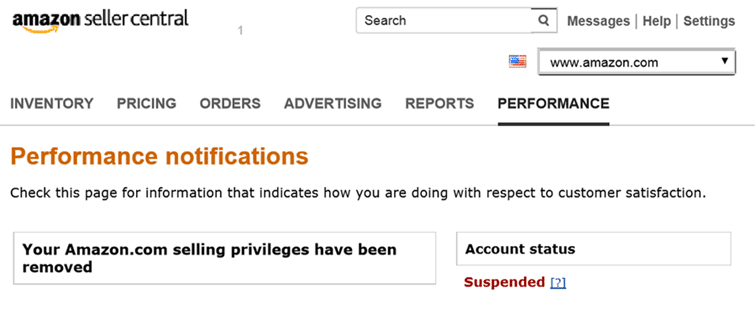
If your account is suspended, Amazon will normally notify you through Seller Central and the email address associated with your account.
Sellers should regularly monitor the Account Health section in Seller Central to stay informed about warnings or policy violations.
It is important to remember that Amazon does not send suspension notices through text messages. Any SMS containing suspicious links claiming to be from Amazon should be avoided.
Stay Calm Before Responding
Receiving a suspension notice can be stressful, but reacting emotionally can make the situation worse.
Many sellers immediately respond in frustration without fully understanding the issue. Instead, take time to carefully review the notice, analyze your account activity, and prepare a professional response.
A thoughtful approach significantly improves the chances of successful reinstatement.
What to Do if Your Amazon Account Gets Suspended
1. Identify the Cause of the Suspension
Amazon’s notifications are not always clear, so sellers may need to investigate the possible reasons behind the suspension themselves.
Review your recent account activity, listings, customer feedback, and policy compliance records. The issue may stem from something within your control or from external factors.
Seller Performance and Account Health Issues
Amazon closely tracks seller performance metrics through the Account Health dashboard in Seller Central.
Customer Service Performance
Your Order Defect Rate reflects the overall customer experience and includes factors such as negative reviews, A-to-Z claims, and chargebacks.
Amazon expects sellers to maintain an Order Defect Rate below 1%.
Product Policy Violations
Products that violate Amazon’s policies can quickly trigger suspensions or listing removals.
Common violations include:
- Intellectual property complaints
- Authenticity concerns
- Listing policy violations
- Product condition complaints
- Restricted product violations
- Product safety issues
- Review manipulation violations
Even a single serious complaint can put your account at risk.
Shipping Performance
Shipping metrics are especially important for FBM sellers who fulfill orders themselves.
Amazon requires sellers to maintain:
- Late Shipment Rate below 4%
- Pre-Fulfillment Cancellation Rate below 2.5%
- Valid Tracking Rate above 95%
Failing to meet these standards can negatively impact account health.
External Factors Sellers Cannot Control
Sometimes suspensions happen due to circumstances outside the seller’s control.
Policy Changes
Amazon frequently updates its policies, and sellers may unknowingly violate new rules.
For example, certain products may suddenly be flagged under updated compliance policies. Sellers should regularly review Amazon’s policy updates to ensure their listings remain compliant.
Pesticide-Related Listing Suppressions
Amazon has become stricter regarding products that may appear to make pesticide-related claims.
Listings containing words such as “antibacterial,” “antifungal,” “antimicrobial,” or “disinfecting” may be flagged, even if the product is not technically classified as a pesticide.
To avoid suppression, sellers should remove risky terminology from:
- Product titles
- Bullet points
- Descriptions
- Backend search terms
- A+ Content alt text
If the product is genuinely considered a pesticide, sellers must complete the required Pesticide Marking information within Seller Central.
Protecting Yourself From Black Hat Sellers
Some unethical competitors attempt to damage seller accounts through false complaints, fake reviews, or fabricated intellectual property claims.
The best protection against these tactics includes:
- Registering trademarks
- Joining Amazon Brand Registry
- Using Amazon Transparency Program
- Monitoring account activity closely
Tracking sudden changes in reviews or feedback can also help sellers detect suspicious activity early.
How to Create a Strong Plan of Action (POA)
If Amazon allows an appeal, sellers must submit a detailed Plan of Action.
A successful POA generally includes three key sections.
Explain the Problem
Clearly identify the issue that caused the suspension.
Even if Amazon’s message is vague, explain the most likely cause based on your investigation.
Describe the Corrective Actions Taken
Outline the steps you already completed to fix the problem.
This may include removing listings, updating product information, improving customer service processes, or changing fulfillment procedures.
Whenever possible, include evidence such as invoices, screenshots, receipts, or communication records.
Prevent Future Violations
The most important part of the POA is explaining how you will stop the issue from happening again.
Amazon wants reassurance that you understand the violation and have implemented long-term preventive measures.
Always take responsibility professionally, even if you disagree with the suspension.
What if a Competitor Falsely Reports Your Account?
If you believe another seller intentionally targeted your account, you can still submit a Plan of Action and provide supporting evidence.
However, disputing false claims may take longer than accepting responsibility and resolving the issue directly. Some sellers choose to work with suspension specialists who understand Amazon’s appeal process and can help strengthen their case.
Professional guidance may improve the chances of faster reinstatement.
Submitting and Revising Your Appeal
After preparing your Plan of Action, submit it through Amazon Seller Central.
If Amazon approves the appeal, your account or listing will usually be restored shortly afterward.
If your appeal is denied, carefully review Amazon’s response for clues about what needs improvement. Revise your POA accordingly and address every concern individually before resubmitting.
Persistence and attention to detail are often essential during the appeal process.
What Happens if Your Appeal Fails?
If repeated appeals are unsuccessful, sellers may need outside assistance.
Many third-party professionals specialize in Amazon account reinstatement and can help identify weaknesses in your appeal strategy.
Since Amazon’s suspension process can sometimes be difficult to interpret, expert guidance may save time and improve the chances of recovery.
The Best Way to Avoid Amazon Suspensions
The most effective defense against Amazon suspensions is simple: follow Amazon’s policies carefully and maintain strong account health metrics.
Sellers should regularly review:
- Amazon Seller Code of Conduct
- Account Health dashboard
- Product compliance policies
- Customer service performance
- Review and feedback guidelines
Operating transparently and ethically helps build a stronger case if issues ever arise.
If something feels questionable or against Amazon’s policies, it is usually best to avoid it altogether.
Final Thoughts
Amazon account suspensions can be stressful and financially damaging, but they are not always permanent. Sellers who understand Amazon’s policies, monitor account health regularly, and respond professionally to issues have a much better chance of protecting their business.
The key is prevention, compliance, and preparation. By staying proactive and following Amazon’s rules closely, FBA sellers can reduce the risk of suspension and maintain a successful business in 2026.