Meta Ads has become one of the most effective ways for businesses, entrepreneurs, and ecommerce brands to attract highly targeted customers. With billions of active users across Facebook and Instagram, these platforms provide Amazon sellers with a massive opportunity to promote their products to potential buyers.
When used strategically, Facebook and Instagram ads can help Amazon FBA sellers increase traffic, improve conversions, and boost product visibility. By combining Meta advertising with Amazon Attribution, sellers can better understand customer behavior and optimize campaigns based on real performance data. This approach can ultimately improve rankings and generate more sales on Amazon.
Why Amazon Sellers Should Use Meta Ads
Amazon already offers a variety of advertising tools that allow sellers to showcase products to millions of shoppers. Sponsored Products, Sponsored Brands, and Sponsored Display campaigns can significantly improve visibility and help products appear at the top of search results quickly.
Although Amazon’s internal advertising system is powerful, relying only on Amazon ads can limit your growth opportunities. Many consumers now discover products through social media before they ever search on Amazon. Platforms like Facebook, Instagram, TikTok, and YouTube have evolved into product discovery engines where users actively engage with brands and recommendations.
For this reason, Amazon sellers should build a strong off-Amazon marketing strategy to capture audiences outside the marketplace and drive additional traffic to their listings.
Benefits of Using Meta Ads for Amazon Products
Running Facebook and Instagram ads for Amazon FBA products offers several advantages compared to relying solely on Amazon Sponsored Ads.
Advanced Audience Targeting
Meta allows advertisers to target highly specific groups of people based on demographics, interests, shopping behavior, location, age, income, and much more. This level of precision helps sellers reach audiences who are more likely to purchase their products.
Access to Customer Data
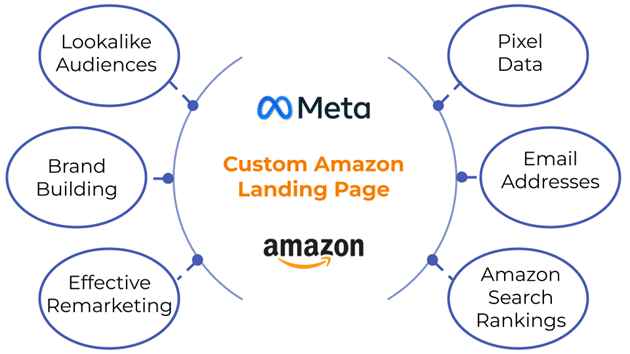
Unlike Amazon, which keeps customer information private, Meta advertising allows businesses to collect valuable customer data such as email addresses through landing pages and lead forms. This information becomes a long-term asset for future marketing campaigns.
Reach New Audiences
Many people who may never discover your product on Amazon can still become customers through social media advertising. Meta platforms expose your brand to a broader audience outside Amazon’s ecosystem.
Easier Ad Testing
Facebook and Instagram ads make it simple to test different creatives, videos, images, headlines, audiences, and campaign strategies. Sellers can quickly identify which combinations generate the best results.
Direct Traffic Opportunities
Meta ads allow sellers to direct traffic either straight to an Amazon listing or to a custom landing page designed to collect leads and improve conversions.
Competitive Advantage
Many Amazon sellers still do not use external traffic strategies. Driving visitors from Facebook and Instagram gives sellers an opportunity to stand out from competitors who rely only on Amazon advertising.
Building an email list through Meta ads is especially valuable because it helps sellers launch new products, promote offers, and maintain direct communication with customers outside Amazon.
Meta and Amazon’s Growing Partnership
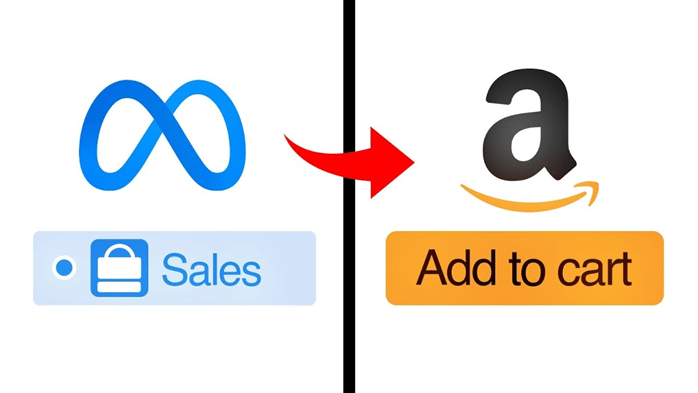
Meta and Amazon have recently expanded their collaboration, allowing users to purchase Amazon products directly within Facebook and Instagram without leaving the apps.
Customers can connect their Amazon accounts to Meta platforms, creating a smoother shopping experience directly inside social media apps. Currently, Amazon itself primarily operates these integrated ads, but there is strong potential for Amazon sellers to gain similar functionality in the future.
This development highlights the importance of building a strong social media presence and investing in off-Amazon advertising strategies now. Sellers who establish their audience early will likely benefit the most as these advertising capabilities continue to evolve.
Preparing Your Amazon Listing Before Running Ads
Before spending money on external traffic, it is important to ensure your Amazon listing is fully optimized for conversions. Sending traffic to a weak listing can waste advertising budget without producing meaningful sales.
A strong Amazon listing should include:
- Professional, high-quality product images
- SEO-optimized product titles and descriptions
- Informative bullet points
- A+ Content for Brand Registered sellers
- Positive customer reviews with strong ratings
If your listing is brand new or lacks credibility, it is better to improve the listing first before launching aggressive advertising campaigns.
Sending Traffic Directly to Amazon Listings
Most Facebook and Instagram users are casually browsing content rather than actively shopping. Because of this, sending users directly from Meta ads to an Amazon listing may not always lead to strong conversions.
Unlike Amazon shoppers who already have purchase intent, social media users often need additional convincing before making a buying decision. This type of audience is commonly referred to as “cold traffic.”
Challenges with Cold Traffic
Cold audiences are unfamiliar with your product and may not be ready to purchase immediately. As a result, direct-to-Amazon traffic can sometimes produce lower conversion rates compared to traffic originating within Amazon search results.
Another issue is tracking performance. Without proper systems in place, it becomes difficult to monitor which Facebook visitors actually purchased your product on Amazon.
For these reasons, many sellers choose to use landing pages before sending traffic to Amazon.
Why Landing Pages Matter
A landing page is a dedicated webpage designed specifically to capture leads and educate visitors about a product before directing them to Amazon.
Using a landing page provides several important benefits. First, it allows sellers to collect customer email addresses, which can later be used for remarketing campaigns and future product launches.
Second, landing pages help “warm up” visitors by providing more information through images, videos, product details, and benefits before asking for the sale. This increases the likelihood of conversions.
Landing pages also help filter out low-intent visitors before they ever reach your Amazon listing, protecting your overall Amazon conversion rate.
Using Meta Pixel to Track Customer Behavior
Meta Pixel is a tracking tool that collects data about how visitors interact with your landing page. It helps sellers understand user behavior, measure conversions, and build retargeting campaigns.
For example, if a visitor lands on your page but does not purchase, you can retarget that person later with another advertisement. Retargeting campaigns are highly effective because they focus on users who already showed interest in your product.
Pixel data also provides insights into visitor actions, helping sellers improve ad performance over time.
Incentivizing Customers to Buy
A landing page also gives sellers the opportunity to offer incentives that encourage purchases.
This may include:
- Limited-time discounts
- Coupon codes
- Special offers
- Product bundles
Offering a discount in exchange for an email address is a popular strategy because it helps sellers build their customer database while increasing conversion potential.
Even if a customer does not purchase immediately, having their email address allows you to market to them again later.
Protecting Your Amazon Conversion Rate
Driving unqualified traffic directly to Amazon can hurt your listing’s conversion rate if visitors leave without buying. Since Amazon considers conversion rates when ranking products, this can negatively affect organic visibility.
By using a landing page first, sellers can ensure only more interested visitors proceed to Amazon. This helps maintain healthier conversion metrics while improving advertising efficiency.
Setting Up a Landing Page
Creating a landing page is easier than many sellers expect. Several website builders provide ready-made templates and drag-and-drop functionality for quick setup.
Popular options include:
- Squarespace
- HubSpot
- Mailchimp
These platforms make it simple to build professional landing pages without advanced technical skills.
How to Set Up Meta Ads for Amazon FBA
Step 1: Create a Facebook Business Page
To start advertising, you first need a Facebook Business Page dedicated to your brand. This page acts as the public face of your business and helps establish credibility with potential customers.
Your page should include company information, product images, branding elements, and regular content updates to build trust with visitors.
A well-maintained business page reassures customers that your company is legitimate and professional.
Step 2: Create Your Ad Campaign
After setting up your business page, you can begin creating advertising campaigns through Meta Ads Manager.
You will need to:
- Set up your ad account
- Add payment information
- Choose a campaign objective
For Amazon FBA products, the “Conversions” objective is often the best choice because it focuses on driving purchases and actions from users most likely to convert.
After selecting your objective, you can set your budget, campaign schedule, and targeting preferences.
Step 3: Define Your Target Audience
Audience targeting is one of the most important parts of a successful Meta advertising strategy.
Instead of targeting broad audiences, focus on highly relevant customer groups who are more likely to buy your product. Meta’s detailed targeting options allow you to narrow audiences based on interests, behaviors, professions, hobbies, shopping habits, and more.
One useful tactic is adding “Amazon.com” as an interest to target users who already shop frequently on Amazon.
You should also define your preferred age range, gender, language, and geographic locations for more precise targeting.
Creating Effective Ad Creatives
Once your targeting is complete, you can begin designing your advertisements.
Meta allows sellers to choose between different ad formats, including:
- Single image ads
- Video ads
- Carousel ads
Use high-quality visuals that immediately grab attention and clearly showcase your product’s value. Your ad copy should remain concise, engaging, and persuasive.
Finally, choose whether users will be directed to a landing page or directly to your Amazon listing. Once everything is complete, submit your campaign for approval and launch your ads.
A/B Testing Your Campaigns
After your ads go live, it is important to monitor performance regularly and test different campaign variations.
A/B testing helps identify which combinations of images, videos, headlines, and audiences produce the best results. Small changes in ad creatives or targeting can significantly improve conversions over time.
Amazon Attribution can also help Brand Registered sellers measure how external traffic performs on Amazon. This data makes it easier to optimize campaigns and improve profitability.
Grow Your Amazon FBA Business with Meta Ads
Meta advertising offers Amazon sellers a powerful opportunity to increase visibility, attract new customers, and drive more sales. Although running Facebook and Instagram ads requires testing and optimization, the long-term benefits can be substantial.
By combining optimized Amazon listings, effective landing pages, audience targeting, and ongoing ad testing, sellers can build a scalable external traffic strategy that strengthens their brand and improves overall sales performance.
With consistency and smart campaign management, Meta ads can become one of the most valuable tools for growing an Amazon FBA business successfully.