
Choosing between Amazon and Etsy can be difficult for new online sellers. Both platforms offer strong opportunities to reach customers and grow a business, but they serve different types of audiences and products.
Many entrepreneurs spend hours researching whether Amazon or Etsy is the better place to launch their ecommerce journey. Since both marketplaces already attract millions of shoppers, sellers can begin generating sales much faster than building an independent store from scratch.
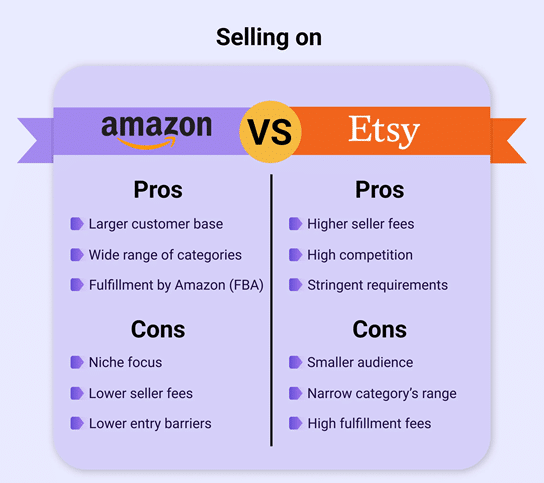
However, understanding the strengths and weaknesses of each platform is essential before making a decision. This guide breaks down the major differences between Amazon and Etsy so you can determine which marketplace aligns best with your goals.
Understanding Amazon Marketplace
Amazon is one of the largest online marketplaces in the world, offering millions of products across nearly every category imaginable. With millions of active sellers and billions of monthly visitors, Amazon has become a preferred shopping destination for customers looking for convenience, variety, and fast delivery.
For online sellers, Amazon provides access to an enormous customer base and advanced selling tools that can help businesses scale quickly.
Advantages of Selling on Amazon
Wide Variety of Product Categories
Amazon allows sellers to list products across multiple categories including electronics, books, fashion, home essentials, beauty products, and groceries. This flexibility makes it suitable for businesses of all sizes and industries.
Access to Massive Customer Traffic
One of Amazon’s biggest advantages is its huge audience. Millions of shoppers visit the platform every month, giving sellers the opportunity to increase visibility and generate consistent sales.
Since Amazon operates in several international marketplaces, sellers can also expand globally with relative ease.
Multiple Payment Options for Customers
Amazon supports various payment methods including credit cards, debit cards, gift cards, digital wallets, and installment-based payment options. Offering flexible payment solutions helps improve customer satisfaction and reduces checkout friction.
Fulfillment by Amazon (FBA)
Amazon’s fulfillment service allows sellers to store inventory in Amazon warehouses while the platform handles packaging, shipping, returns, and customer service.
This service can save sellers significant time while improving delivery speed and operational efficiency.
Strong Customer Trust
Amazon’s reputation for fast shipping and reliable service encourages shoppers to purchase with confidence. Sellers can benefit from this trust and build long-term credibility by maintaining high product quality and excellent service.
Easy Seller Dashboard
Amazon Seller Central provides tools for managing listings, tracking orders, monitoring inventory, and reviewing analytics in one place. The dashboard is designed to simplify business operations for sellers.
Challenges of Selling on Amazon
Intense Competition
Amazon is highly competitive because millions of sellers are competing for visibility. Businesses often need to invest heavily in advertising, discounts, and pricing strategies to stand out.
In addition, Amazon frequently updates its policies and rules, which can directly impact sellers and their operations.
High Selling Fees
Amazon charges several fees including referral fees, fulfillment fees, storage charges, and subscription costs. These expenses can significantly reduce profit margins, especially for low-cost products.
Limited Branding Opportunities
Although Amazon now offers tools such as storefronts and sponsored branding campaigns, customization remains restricted. Sellers have limited control over how their products appear on the platform compared to running their own ecommerce website.
Dependence on Amazon’s System
Businesses operating solely on Amazon rely heavily on the platform’s policies, search algorithm, and account rules. A suspension or policy violation can disrupt sales instantly.
What Makes Etsy Different?
Etsy is an online marketplace focused mainly on handmade, customized, vintage, and creative products. Unlike Amazon, Etsy caters to shoppers looking for unique and artistic items rather than mass-produced goods.
It has become especially popular among artists, crafters, and small business owners selling personalized products.
Benefits of Selling on Etsy
Expanding Customer Community
Etsy has experienced strong growth over the years, attracting millions of buyers interested in creative and personalized items. This growing audience provides sellers with opportunities to reach niche markets.
Easier Setup Process
Opening an Etsy store is relatively simple. Sellers can create a storefront, upload products, and start selling without going through a lengthy verification process.
This simplicity makes Etsy attractive for beginners entering ecommerce.
Affordable Startup Costs
Starting on Etsy often requires minimal investment. Sellers offering digital products or print-on-demand items can launch a store without maintaining large inventories.
Etsy’s listing and transaction fees are generally lower compared to Amazon, making it budget-friendly for smaller businesses.
Helpful Creative Tools
Sellers can use design and content tools to improve product presentation and marketing. Platforms like Canva and ChatGPT help create professional visuals and optimized product descriptions.
Ideal for Handmade Products
Etsy is particularly effective for selling handcrafted products, customized gifts, vintage goods, and artistic creations. Buyers visiting Etsy are often specifically searching for unique items unavailable elsewhere.
Drawbacks of Selling on Etsy
Increasing Competition
As Etsy continues to grow, competition among sellers has intensified. Popular niches such as handmade crafts, digital downloads, and personalized gifts are becoming crowded, making it harder for new products to gain visibility.
Shipping Costs Can Add Up
Etsy charges transaction fees on both product prices and shipping costs. This can reduce profitability for sellers who rely heavily on shipping physical products.
Limited Store Customization
Etsy provides fewer branding options compared to independent ecommerce websites. Sellers can customize certain visuals like logos and banners, but overall storefront flexibility remains limited.
Difficulty Building Brand Loyalty
Because shoppers often focus on individual products rather than specific stores, it can be challenging for Etsy sellers to create strong brand recognition and repeat customer loyalty.

Amazon vs. Etsy: Major Differences
Although both platforms help sellers reach online shoppers, they serve different business models and audiences.
Etsy is ideal for creative entrepreneurs selling handmade, personalized, and artistic products. It offers a simpler setup process and lower upfront costs, making it attractive for beginners and hobby-based businesses.
Amazon, on the other hand, is designed for large-scale ecommerce operations with broader product categories and a massive customer base. Sellers looking to scale aggressively and access advanced fulfillment solutions may find Amazon more suitable.
Customer Base and Revenue Potential
Amazon dominates the ecommerce industry with hundreds of millions of active users worldwide. Because it sells products in nearly every category, it attracts a much broader audience than Etsy.
Etsy’s audience is smaller but highly targeted. Shoppers on Etsy are specifically interested in unique, handcrafted, and customized products, which can benefit niche sellers.
Store Setup Comparison
Setting up an Etsy shop is quick and beginner-friendly. Sellers can create an account, customize their store, upload listings, and configure payment settings in just a few steps.
Amazon’s registration process is more detailed. Sellers must provide business information, tax details, banking information, and identity verification documents before launching their store.
The verification process can also take several days before approval is completed.
Inventory Management
Amazon provides advanced inventory management tools through Seller Central. Sellers with large product catalogs can use bulk upload features to streamline listing management.
Etsy also offers an easy-to-use inventory dashboard where sellers can manage listings, edit product details, upload images, and monitor stock levels efficiently.
Shipping and Order Fulfillment
Etsy sellers are generally responsible for handling their own shipping and fulfillment, although the platform integrates with several third-party shipping providers.
Amazon offers a more automated fulfillment solution through FBA, where the company handles warehousing, packing, shipping, and customer service on behalf of sellers.
For businesses looking to scale quickly, Amazon’s fulfillment infrastructure can provide a major advantage.
Advertising and Marketing
Both Amazon and Etsy offer advertising solutions to help sellers improve product visibility.
Amazon provides advanced sponsored ads, video ads, and branded storefront campaigns that can drive significant traffic when optimized correctly.
Etsy also offers promoted listings and marketing tools, though its advertising ecosystem is generally simpler and more affordable for smaller businesses.
Which Platform Should You Choose?
The best marketplace ultimately depends on your products, budget, and long-term business goals.
If you sell handmade goods, customized products, artwork, or vintage items, Etsy may be the better fit because of its targeted audience and easier setup process.
If you plan to sell products at scale, expand internationally, and leverage advanced fulfillment services, Amazon offers more growth opportunities despite the higher competition and fees.
Some businesses even choose to sell on both platforms to maximize reach and diversify revenue streams.
Final Thoughts
Both Amazon and Etsy offer powerful opportunities for online sellers, but each platform serves different purposes.
Amazon provides massive traffic, scalability, and fulfillment advantages, making it ideal for larger ecommerce operations. Etsy, meanwhile, creates a strong environment for creative entrepreneurs and niche product sellers.
Before choosing a marketplace, consider your product type, branding goals, marketing budget, and operational capabilities. Evaluating these factors carefully will help you select the platform that supports your long-term ecommerce success.