
Amazon has transformed online shopping by offering fast delivery, an enormous product catalog, and a marketplace filled with millions of buyers and sellers. While simply listing products is no longer enough to stand out, promotional tools can help increase visibility and attract more customers by Amazon Lightning Deals.
One of the most effective promotional options available is Amazon Lightning Deals. These limited-time offers typically appear on Amazon’s Deals page for a few hours, creating urgency among shoppers and encouraging quick purchases. When planned correctly, Lightning Deals can significantly increase sales and product exposure. This guide explains how they work, who can use them, and whether they are worth the investment.
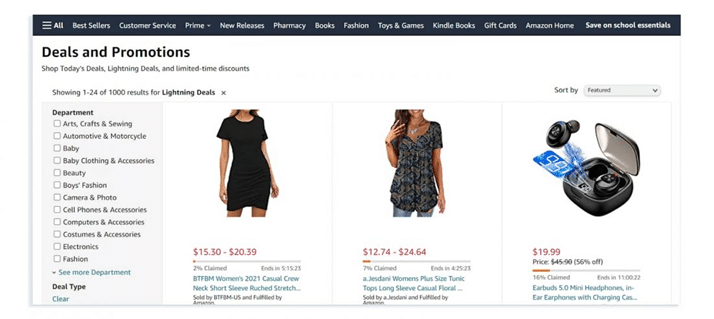
What Are Amazon Lightning Deals?
Promotions and discounts play an important role in improving product visibility and increasing conversions on Amazon. Among these promotional tools, Amazon Lightning Deals are designed to create a short-term buying opportunity for customers while helping sellers drive more sales.
These time-sensitive promotions usually appear on Amazon’s Today’s Deals page, making products more visible to shoppers actively looking for discounts. During major shopping events like Prime Day, Lightning Deals are generally reserved for Amazon Prime members.
Customers can discover Lightning Deals across a wide variety of product categories, including electronics, fashion, home essentials, beauty products, kitchen items, and much more.
How to Create an Amazon Lightning Deal
Before creating a Lightning Deal, you’ll first need to verify whether your products qualify. Eligible products can be viewed by selecting the Create Deals option inside Amazon Seller Central.
After locating an eligible product, follow these steps:
- Choose the qualifying product from your inventory.
- Select one of the available deal dates.
- Set the promotional price along with the quantity available for the offer.
- Carefully review the information before submitting the deal.
Amazon will automatically specify certain requirements, including the highest acceptable selling price, minimum discount percentage, and required inventory quantity.
If none of your products appear as eligible, you should review Amazon’s eligibility requirements before attempting to create a deal.
Eligibility Requirements for Amazon Lightning Deals
Most professional Amazon sellers can participate in Lightning Deals, although certain categories—such as alcohol—and used products are generally excluded.
To qualify, sellers should typically meet the following requirements:
- Maintain an overall seller rating of at least 3.5 stars.
- Receive a minimum of five pieces of seller feedback each month.
- Hold a Professional Seller account rather than an Individual Seller account.
Additionally, Amazon does not allow overlapping promotional campaigns for the same product.
If your deal application is rejected, insufficient inventory is often the reason. Amazon may increase the minimum inventory requirement based on expected demand, requiring sellers to update their available stock before resubmitting the promotion.
Amazon Prime Day Lightning Deals
Lightning Deals during Prime Day come with additional requirements compared to standard promotions. For example, Amazon may require the promotional price to be the lowest offered during the current calendar year.
Prime Day submissions are generally accepted several months before the event, typically between March and April, through the Prime Day submission window in Seller Central.
Since Prime Day and other major shopping events like Black Friday attract intense competition, offering deeper discounts often improves product visibility and increases the likelihood of attracting shoppers.
Lightning Deals vs. 7-Day Deals
Although both promotional formats help generate sales, Lightning Deals often produce stronger results because they create urgency through limited availability and time restrictions.
Unlike 7-Day Deals, Lightning Deals receive placement on Amazon’s dedicated Deals page, providing additional exposure. Many shoppers are more likely to purchase immediately when they know an offer will expire within a few hours.
Testing both promotion types on different dates can help determine which strategy delivers the best performance for your products.
Does Amazon Charge for Lightning Deals?
Yes. Amazon charges a promotional fee once a Lightning Deal is approved and scheduled to run. The exact fee can vary depending on several factors, including the selected promotional period.
You can review these charges inside Seller Central by navigating to:
Reports → Payments → Transaction View → Service Fees
Keep in mind that approval alone does not guarantee strong sales performance. The promotional fee is charged regardless of the campaign’s results. However, if either you or Amazon cancels the promotion before it begins, the fee is generally not applied.
Benefits of Using Amazon Lightning Deals
Amazon’s Deals page receives significant shopper traffic, making Lightning Deals an excellent opportunity to increase product exposure and generate faster sales.
Some of the biggest advantages include:
- Higher sales volume
- Faster inventory clearance
- Increased brand visibility
- More traffic to product listings
For newly launched products, Lightning Deals can also support your overall launch strategy by improving sales velocity, which may contribute to stronger organic rankings over time.
When Should You Skip Lightning Deals?
Although Lightning Deals offer several advantages, they are not suitable for every situation.
The primary consideration is profitability. Since sellers must provide substantial discounts while also paying Amazon’s promotional fee, the overall return may not justify the investment for products with limited margins.
Inventory management is another important factor. Successful Lightning Deals can generate a sudden increase in orders. If your inventory is limited or fulfillment operations cannot handle higher demand, late shipments and stock shortages could negatively affect your seller performance.
Before scheduling a deal, evaluate both your inventory levels and operational capacity to ensure you can meet customer demand.
Are Amazon Lightning Deals Worth It?
One of the biggest advantages of Lightning Deals is increased product visibility. Products featured in these promotions benefit from additional exposure in multiple ways.
For example:
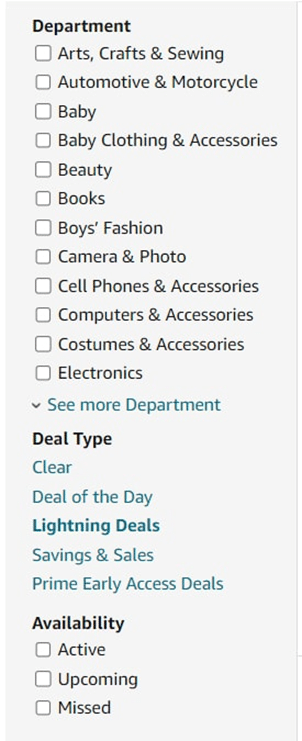
- Listings appear on Amazon’s dedicated Deals page.
- The Lightning Deal badge helps products stand out in search and browsing results.
While these promotions can drive more traffic and sales, they also reduce profit margins due to discounted pricing and promotional fees. Their overall effectiveness also depends on factors such as timing, competition, and customer demand.
Choosing the right products is equally important. Rather than promoting every item, many sellers achieve better results by applying the 80/20 principle—focusing on the small percentage of products that generate the majority of revenue.
After your campaign concludes, performance metrics can be reviewed in the Manage Deals section of Seller Central to help optimize future promotions.
Final Thoughts
Amazon Lightning Deals are not essential for building a successful Amazon business, but they can be a valuable tool for increasing product visibility and accelerating sales when used strategically.
For some sellers, these promotions provide an effective way to attract new customers and move inventory quickly. For others, the added promotional costs may outweigh the benefits. Evaluating your profit margins, inventory availability, and overall business goals before launching a campaign will help determine whether Lightning Deals are the right choice for your products.
When used thoughtfully and at the right time, Amazon Lightning Deals can become a powerful addition to your overall Amazon marketing strategy. Happy selling!