
Amazon.com is a US-based global leader in e-commerce and cloud computing, offering an extensive range of products such as electronics, clothing, furniture, DVDs, groceries, and digital services. Today, Amazon stands as the largest online retailer in the world in terms of sales volume and market value. What started as a simple online bookstore gradually transformed into a massive marketplace that caters to almost every consumer need imaginable. Which can be noticable in terms of Amazon Affiliate program as well.
Over time, Amazon expanded beyond direct product sales and opened its platform to third-party sellers. Alongside this, Amazon also created opportunities for individuals to earn money by partnering with the brand. One of the most notable initiatives was the launch of affiliate marketing in e-commerce, making Amazon a pioneer in this space. Through the Amazon Affiliate Program, countless individuals now earn commissions, and some even rely on it as a full-time income source.
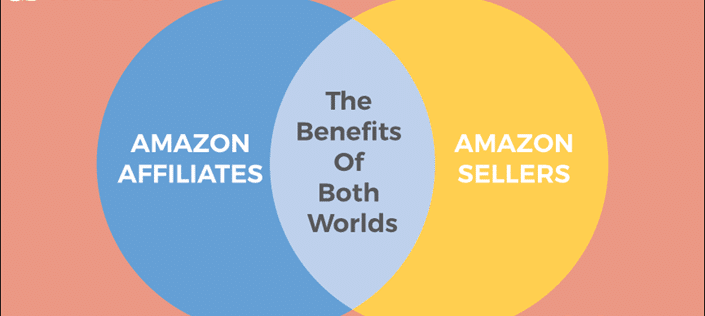
Bloggers and content creators, in particular, have leveraged Amazon’s affiliate system to monetize their traffic effectively. Understanding both Amazon Affiliate Program and Amazon Selling can help individuals decide which path aligns best with their goals.
Amazon Affiliate Program
The Amazon Affiliate Program, also known as Amazon Associates, is among the earliest affiliate marketing programs on the internet. Introduced in 1996, it was designed to allow content creators and website owners to earn commissions by promoting Amazon products. The program is free to join and is known for its simplicity, even for beginners.
Amazon has consistently strengthened this program over the years. Today, it enables bloggers, developers, and website owners to promote millions of products sold on Amazon and its subsidiaries. By placing affiliate links within content, participants can earn referral fees whenever a purchase is completed through their link.
Bloggers and website owners often influence buying decisions, as audiences trust their recommendations. By building niche-focused affiliate websites, they make it easier for visitors to find and purchase products. When users click affiliate links and shop on Amazon, affiliates can earn up to 10% in commissions. In addition, Amazon provides promotional tools, banners, and advertising options to help drive traffic and boost earnings.
Advantages of the Amazon Affiliate Program
Trusted Brand Reputation
Amazon is one of the most trusted online brands globally. Shoppers feel confident purchasing from Amazon, which naturally increases conversion rates. The affiliate program itself is easy to navigate, making it suitable even for newcomers. Affiliates receive ready-to-use links and banners, simplifying promotional efforts across blogs and social media channels.
Wide Variety of Products
Amazon offers an enormous selection of products across almost every category imaginable. This makes it ideal for bloggers who operate in niche markets, as finding relevant products is rarely an issue. Whether the niche is books, beauty, software, or specialized equipment, Amazon provides countless options to promote.
Steady Income Potential
The Amazon Affiliate Program allows participants to earn commissions ranging from approximately 4% to 15%, depending on product categories. Once links are placed, affiliates can earn money passively, even without being actively online. This makes it an appealing option for those seeking low-investment income opportunities.
Higher Order Value Benefits
Amazon customers often purchase multiple items in a single shopping session. Affiliates earn commissions not only on the promoted product but also on any additional items the customer buys. This increases overall earnings per referral and enhances income potential.
Amazon Selling
Amazon has enabled individuals and businesses worldwide to grow by offering access to its massive customer base. Currently, over 40% of Amazon’s total product sales come from third-party sellers, highlighting the platform’s importance for online retail growth.
Amazon provides two main selling plans tailored to different business needs.
Amazon Seller Plans
Professional Seller Plan
This plan costs $39.99 per month, along with standard selling fees. It is suitable for sellers who expect to sell more than 40 products per month and want access to advanced selling tools and features.
Individual Seller Plan
Under this plan, sellers pay $0.99 per item sold, making it ideal for those selling fewer than 40 items monthly or just starting out.
Steps to Start Selling on Amazon
Selling on Amazon does not require extensive technical knowledge. Sellers simply need to choose the products they want to sell, select the appropriate selling plan, create an account on Amazon Seller Central, list their products, and begin selling. Amazon offers over 20 open product categories for all sellers, with additional categories available to professional sellers, allowing flexibility in scaling the business.
Advantages of Being an Amazon Seller
Access to a Massive Global Marketplace
Amazon is the first choice for millions of shoppers worldwide. Listing products on Amazon instantly exposes sellers to a global audience. Many third-party sellers also use Amazon’s fulfillment services, including Fulfilled by Amazon (FBA), which allows participation in Prime shipping benefits and improves customer trust.
Reduced Time and Cost Investment
Selling on Amazon eliminates the need to build and manage a standalone e-commerce website. Ranking an independent website on search engines requires significant time, effort, and investment, whereas Amazon products already enjoy strong visibility in search results.
Automation and Scalability
Amazon provides various tools, dashboards, and automation features to help sellers manage inventory, orders, and performance. As sales grow, sellers can delegate tasks and focus on expansion while maintaining a strong account health record.
Brand Value and Online Visibility
Products listed on Amazon benefit from the platform’s credibility and search engine presence. Customers often prefer buying from Amazon due to trust, convenience, and reliable delivery. Successful online sales also make products more appealing to offline retailers and distributors.
Final Thoughts
Whether your goal is to earn passive income through referrals or build a scalable e-commerce business, both Amazon Affiliate Program and Amazon Selling offer powerful opportunities. Each model has its own advantages, and the right choice depends on your skills, investment capacity, and long-term objectives.
Amazon’s reputation, customer trust, and global reach make it one of the most reliable platforms for online monetization. By choosing the model that aligns with your goals, you can build a sustainable and profitable online presence.