
There’s ongoing debate about whether Amazon is truly profitable for direct-to-consumer (DTC) brands. Some well-known companies, such as Nike and Ikea, have stepped away from the platform to focus exclusively on their own websites and controlled brand environments.
However, many other DTC brands continue to treat Amazon as a vital revenue stream and a powerful growth engine.
So the real question is: which types of DTC brands can actually thrive on Amazon?
To answer that, we’ve looked at insights from successful DTC food brands like Justin’s and Country Archer. Their experience highlights the limitations of staying purely DTC, the strategic advantages of Amazon, and what brands must do to remain competitive.
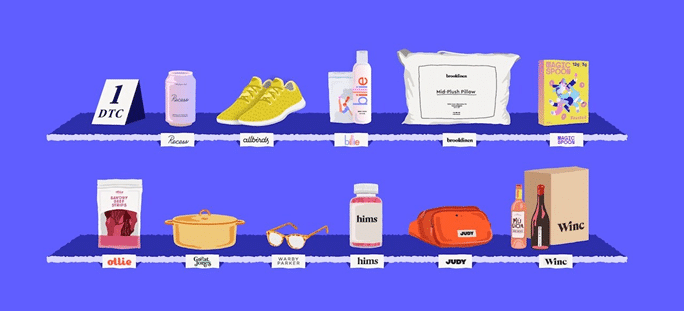
What Does Direct-to-Consumer (DTC) Mean?
Direct-to-consumer brands sell products straight to customers without relying on traditional retailers. They operate through their own websites and sometimes through their own physical stores.
This means you typically won’t see pure DTC brands stocked in large chains like Walmart or Target. Likewise, they don’t normally sell through large online marketplaces such as Amazon, eBay, or Zappos.
For instance, some brands operate exclusively through their own online storefronts, while others combine eCommerce with brick-and-mortar retail. Both approaches allow them to retain complete control over pricing, branding, and customer relationships.
Are There Downsides to Selling Exclusively DTC?
Yes — there are notable challenges.
One of the biggest limitations of a pure DTC strategy is distribution. When brands sell directly, they are responsible for every component of the transaction, from marketing and payments to fulfillment and customer service.
Managing every stage of the buyer journey is demanding. It becomes even more challenging when customers are unfamiliar with the brand and still building trust.
Many shoppers hesitate to provide credit card details or personal information on unfamiliar websites. Concerns about return policies, shipping times, and reliability can create friction that prevents conversion.
Amazon, in contrast, serves as an established intermediary. Consumers are already familiar with the platform, trust its checkout system, and often have saved payment and shipping details. Purchasing is fast and frictionless.
For a significant number of shoppers, Amazon is their primary or only eCommerce platform. If a brand sells only through its website, it risks losing customers who prefer Amazon’s convenience and security.
5 Benefits of Selling DTC Brands on Amazon
An easy buying experience isn’t the only reason DTC brands should consider Amazon. The platform offers several strategic benefits.
1. Access to Massive Customer Demand
Amazon is one of the most powerful product discovery channels available today. A majority of product searches now begin on Amazon instead of traditional search engines or brand websites.
For U.S.-based shoppers especially, Amazon has become the starting point of the buying journey — effectively replacing Google for product searches.
2. Reviews Strengthen Multi-Channel Sales
Product reviews on Amazon often influence buying behavior beyond the platform itself.
Many consumers research products on Amazon even when they plan to purchase elsewhere. Strong Amazon reviews can therefore boost sales on your own website and in physical retail stores.
3. Significant Revenue Contribution
For many DTC brands, Amazon represents a meaningful share of total revenue. In some cases, it contributes between 10% and 40% of total retail sales.
Certain brands are generating six-figure monthly revenues through Amazon alone. Additionally, surveys have shown that for many sellers, Amazon accounts for more than half of their online revenue.
4. Lower Advertising Costs Compared to DTC
Paid traffic is often the primary growth engine for DTC websites. Brands rely heavily on paid ads across Google, Facebook, Instagram, and other platforms.
On Amazon, however, brands benefit from stronger organic search visibility because shoppers already use the platform to search for products. This can reduce reliance on paid acquisition and improve overall profit margins.
In many cases, Amazon advertising costs are also slightly lower than traditional DTC digital ad campaigns.
5. Reduced Customer Acquisition Costs
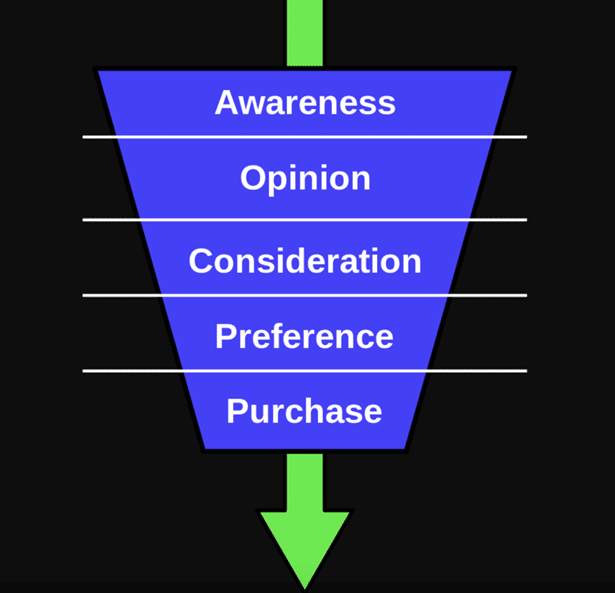
Amazon sits closer to the bottom of the buying funnel. Shoppers on the platform usually have strong purchase intent.
When someone searches for a specific brand or product on Amazon, they’re often ready to buy immediately. This high-intent traffic is easier — and cheaper — to convert.
In contrast, advertising on platforms like Google or Facebook targets shoppers earlier in the funnel, where intent is weaker and conversion requires more nurturing. While cost-per-click might appear lower on those platforms, total acquisition costs often end up being higher.
Two Key Considerations Before Selling on Amazon
Before launching, DTC brands should evaluate two critical elements: product reviews and seller feedback.
Product Reviews
Amazon reviews are strictly tied to the product itself. They focus on quality, functionality, and whether the item meets expectations — not on shipping or service.
Reviews appear directly on the product listing and influence search ranking. Negative reviews can seriously harm conversions, especially if they receive high engagement from other shoppers.
Before launching on Amazon, ensure your product has already earned positive feedback from existing customers. Address recurring complaints and refine your offering to avoid preventable negative reviews.
Seller Feedback
Seller feedback, on the other hand, reflects operational performance — including shipping speed, packaging, responsiveness, and customer service.
To maintain strong seller ratings, brands must deliver on their promises. If you claim eco-friendly packaging, it must truly be recyclable. If you advertise organic ingredients, proper certification should back it up. If you promise a 24-hour response time, your customer service must consistently meet that standard. Understanding existing customer pain points before launch helps brands prevent avoidable negative feedback.
What DTC Brands Must Know to Succeed on Amazon
Brands with strong demand must actively manage their presence on Amazon. If they do not, third-party sellers often step in.
Unauthorized sellers may list the product at inflated prices, create inaccurate listings, or make misleading claims. Although these sellers do not officially represent the brand, customers may not realize that — and negative experiences can damage brand perception.
Poor listings and weak representation can also affect broader distribution opportunities.
This is why even brands that don’t plan to aggressively grow on Amazon should adopt at least a defensive strategy.
Be First to Market
If a brand launches and controls its listings early, it becomes far easier to maintain authority.
Trying to correct poorly managed listings created by third-party sellers can be extremely challenging — even for major global brands.
Owning your brand presence from the beginning protects your reputation.
Ensure Your Listing Ranks First
Your product listing should be the most visible result when shoppers search for your brand.
Optimized titles, strong keywords, compelling imagery, and clear branding help communicate authenticity and establish trust. Continuous keyword optimization and content updates are necessary to maintain strong rankings and conversion rates.
Monitor Performance Closely
Keep track of traffic, conversions, keyword rankings, and competitor activity.
If sales decline, analyze potential causes immediately. Check for new competing sellers, ranking changes, lost badges, listing edits, or category shifts.
Quick action can prevent larger revenue losses.
Test Continuously
Optimization never ends on Amazon.
Split-test elements such as:
- Main product image
- Price adjustments
- Title variations
- Bullet points
- Secondary images
Use performance data to identify winning variations. Then test again. Ongoing experimentation ensures your listing remains competitive and highly converting.
Final Thoughts
Selling exclusively DTC offers full control over branding and customer relationships. However, ignoring Amazon can mean missing out on massive demand, high-intent shoppers, and lower acquisition costs.
For many brands, the smartest strategy is not choosing one channel over the other — but combining both.
With proactive brand management, optimized listings, and continuous testing, direct-to-consumer brands can successfully use Amazon as a powerful extension of their growth strategy.