
If your Amazon sale strategies don’t deliver the same results they once did, you’re not imagining it. For years, sellers relied on a familiar formula: add a small coupon, raise bids slightly, and let event traffic do the heavy lifting. That approach worked when competition was lighter and buyer behavior was predictable.
Today, even modest discounts no longer guarantee conversions. Increased competition, unpredictable demand spikes, and evolving shopper expectations have reshaped how Amazon sales function. Categories that once showed steady sale-driven growth now experience inconsistent surges tied to trends, algorithms, and timing rather than discounts alone.
The years 2026 represent a turning point. Amazon is introducing more frequent micro-sales, AI-driven deal feeds, and highly personalized product discovery. Fixed sale dates and generic promotions are becoming less effective as automation determines who sees what, and when.
Amazon is no longer running simple sales; it’s engineering buying behavior. Deals alone no longer create momentum. Experiences, relevance, and algorithmic trust now drive performance.
This shift is visible across Prime Day, Fall Deal Fest, and even smaller regional events. What used to be a short shopping rush has transformed into a layered, predictive retail ecosystem powered by real-time data and machine intelligence.
At the center of this evolution is the buyer. Modern Amazon shoppers, especially Gen Z, are value-conscious, sustainability-aware, and heavily influenced by creator content and curated recommendations. Many don’t actively search anymore—they rely on Alexa suggestions or AI-curated deal feeds.
Behind the scenes, Amazon’s data engine keeps learning. Despite slower overall retail growth, Amazon sale GMV grew by roughly 20% between 2023 and 2025. That growth confirms one thing: every Amazon sale is now a calculated strategic event.
The upcoming Amazon sale isn’t random discounting. It’s a demand-generation system. Sellers who align inventory, advertising, and messaging around these high-velocity moments will outperform those who don’t.
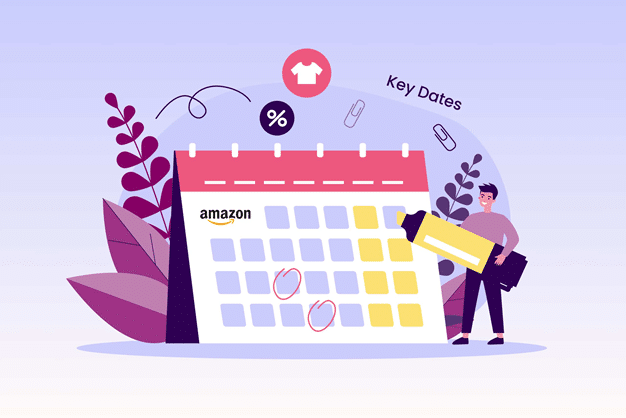
Amazon Upcoming Sale Calendar: 2026 Overview
Amazon now spaces its sales more strategically throughout the year. Each quarter follows a distinct behavioral and algorithmic pattern, allowing sellers breathing room while keeping shoppers engaged year-round.
Early-Year Deal Momentum (Q1 2026)
Amazon New Year Sale (January)
January marks a reset cycle. Shoppers return for replacements, upgrades, and lifestyle improvements. Amazon blends clearance offers with categories tied to productivity, fitness, and refurbished tech.
This period is ideal for sellers clearing aging inventory while rebuilding momentum for Q1. Amazon is also pushing refurbished listings more prominently, giving verified products visibility nearly equal to new items.
Valentine’s Day Sale (February)
Valentine’s Day has matured beyond a gifting event into a lifestyle-driven sale. DIY kits, self-care bundles, digital gifting, and subscriptions are all gaining traction.
Handmade products and influencer-curated storefronts perform particularly well, especially among Gen Z and Millennials seeking thoughtful, personalized purchases.
Spring Sale (April)
The Spring Sale acts as a testing ground before major mid-year events. While traditionally home-focused, the event now leans into smart living and connected products.
AI-powered home devices, intelligent appliances, and voice-enabled tools are gaining algorithmic priority through Amazon’s discovery systems. Sellers should use this period to test creatives, budgets, and keywords before Prime Day.
Mid-Year Power Events (Q2–Q3 2026)
Amazon Prime Day 2026
Prime Day is no longer a two-day sprint. Amazon pre-positions inventory weeks in advance using predictive warehousing, ensuring faster delivery in key regions.
Advertising has evolved as well. Sellers can now layer DSP audiences with Sponsored TV ads across Fire TV and Prime Video. Deal visibility fluctuates dynamically based on stock velocity, CTR, and competitor pricing.
Brands feeding Amazon high-quality data early through DSP, inventory sync, and tagging are rewarded with lower CPCs and better impressions when Prime Day traffic peaks.
Back-to-School & College Prep
After Prime Day, Amazon transitions into education-focused selling. Student Prime members drive demand for electronics, dorm supplies, and bundled essentials.
Subscription-based promotions and themed bundles outperform standard listings. Sellers who treat this season as a customer acquisition window often benefit from repeat purchases throughout the year.
What’s New in Amazon Sales for 2026
Adaptive Pricing Systems
Amazon’s pricing algorithms now respond not just internally but across competing platforms like Walmart and TikTok Shop. Competitive pricing shifts elsewhere can influence your Buy Box performance almost instantly.
Amazon evaluates products using a Price Perception Index, measuring how fair a price appears rather than its actual cost. Falling outside the perceived “fair value” range can quietly reduce visibility during sale events.
To stay competitive without sacrificing margins, sellers increasingly rely on automated pricing rules or API-connected repricing systems.
Algorithmic Deal Ranking
Not all deals are treated equally anymore. Amazon ranks Lightning Deals, Best Deals, and Coupons based on engagement velocity, content quality, and performance in the first hour.
Listings with rich media—videos, A+ content, brand stories—perform better because they increase shopper session time. Visual storytelling now directly impacts discoverability.
Personalized Deal Feeds
Every shopper now sees a different version of an Amazon sale. Recommendations adapt to browsing history, location, past purchases, and engagement behavior.
Amazon also triggers unannounced micro-sales based on real-time demand spikes, creating short, high-intent buying windows for select audiences.
Category Outlook for 2026
High-growth categories are no longer defined by volume but by speed and relevance. Smart electronics, AI-powered devices, and adaptive fitness products dominate conversions because they solve everyday efficiency problems.
Pet technology, connected wellness products, and eco-friendly consumables are growing quickly, especially when paired with data-backed content and instructional media.
Sustainability-driven SKUs, especially refillable beauty and modular packaging, are building strong lifetime value models. Meanwhile, B2B bulk procurement during retail sales has grown steadily, turning Prime Day into a sourcing event for businesses.
Overcrowded categories like basic fitness gear face heavy competition, while niches such as refurbished tech, STEM kits, and regional food products remain underexploited.
Winning Seller Strategies for 2026 Sale Events
Pre-Sale Planning
Successful sellers plan inventory weeks ahead, syncing AWD and FBA strategically to reduce fulfillment risk. Audience warming through DSP retargeting builds intent before deals launch.
During the Sale
Real-time creative testing, cross-campaign budget syncing, and Live Deal strategies help sustain visibility throughout the event. Coordinated Lightning Deals and Sponsored Display retargeting maintain momentum beyond initial spikes.
Post-Sale Growth
Event buyers are re-engaged through upsells, subscriptions, and retention campaigns. Post-sale journeys turn deal hunters into repeat customers.
Shopper Behavior & Trust Signals
Impulse buying still exists, but it’s driven by algorithmic trust rather than urgency. Personalized recommendations feel intuitive rather than intrusive. Buyers rely more on verified value indicators, curated badges, and sustainability markers than manual review analysis. Green badges, in particular, now act as quality signals.
Regional Amazon Sale Behavior
- United States: Experience-driven bundles outperform pure discounts, especially during evening browsing hours.
- United Kingdom: Transparency, local identity, and sustainability messaging matter more than aggressive pricing.
- UAE: Premium presentation, bilingual listings, and fast delivery define success.
Key Challenges Sellers Face
- Rising ad CPCs compress margins
- Category saturation limits differentiation
- AWD and logistics costs require careful planning
- Brand trust and authenticity metrics are critical for visibility
The Future of Amazon Sales
Amazon is moving toward predictive retail powered by event-based AI. Discounts will blend with subscriptions, loyalty perks, and immersive shopping experiences, including livestreams and interactive content.
Final Thoughts
Amazon sales in 2026 are defined by intelligence, not just timing. Sellers who combine automation, trust-building content, and customer relevance will outperform those relying solely on deep discounts.
The future belongs to brands that understand buyer intent, respect algorithmic signals, and balance human storytelling with machine efficiency.