
Seller feedback is one of the most important indicators of your performance on Amazon. It directly reflects how well you are building trust and credibility with buyers. A strong seller feedback profile not only enhances your reputation but also plays a key role in driving consistent sales growth.
Amazon seller feedback is often talked about but rarely understood in depth. Many sellers struggle to grasp how the system works and how they can ethically encourage buyers to leave positive feedback. Amazon introduced this system to help customers identify reliable sellers and make confident purchasing decisions.
At its core, the seller feedback system is designed to ensure an excellent customer experience. Amazon continuously monitors seller performance through feedback ratings, making it easier for customers to distinguish between high-performing and poorly performing sellers. This evaluation system ultimately protects buyers and rewards sellers who deliver quality service.
Seller feedback is frequently confused with seller rating, but the two are not the same. Seller rating is a broader performance metric, while seller feedback focuses on customer opinions and experiences. In this blog, we will break down what Amazon seller feedback is, how it works, and how you can use it to strengthen your business.
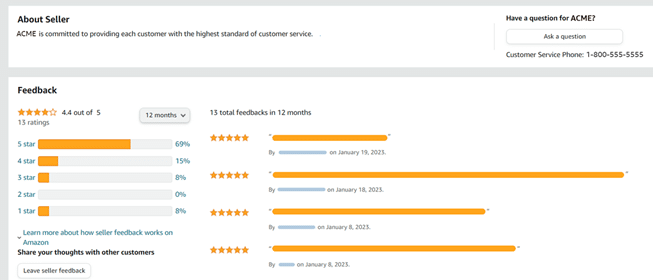
How Amazon Seller Feedback Works
Amazon seller feedback is a performance metric used to assess how well you serve your customers. It applies to sellers who fulfill orders as wholesalers or resellers on the Amazon marketplace.
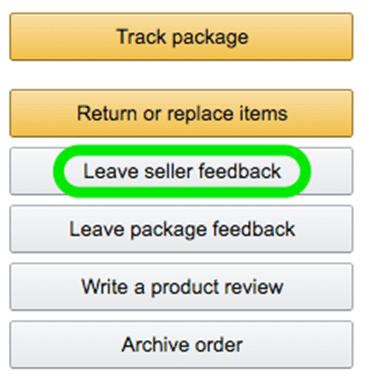
Customers can leave feedback in two main ways. They can visit your seller feedback page directly or return to their order history and submit feedback for a specific purchase they have made.
Amazon allows buyers to submit seller feedback within 90 days of the order date. Customers can provide a star rating and optionally leave a written comment. Your overall seller feedback score is calculated as an average of all ratings you receive. This score is visible on your Seller Central dashboard and on your Amazon storefront, where buyers can review it before making a purchase decision.
Seller Feedback vs. Product Reviews
Both product reviews and seller feedback are valuable for Amazon sellers, but they serve very different purposes. Many sellers—and even buyers—often confuse the two, which can lead to misunderstandings.
Product reviews appear on the product detail page and focus entirely on the quality, performance, and usability of the product itself. Seller feedback, on the other hand, reflects your overall service quality, including shipping speed, packaging, and customer support.
Seller feedback directly impacts your ability to win the Buy Box and influences buyer trust in your brand as a seller. Product reviews act as social proof, helping customers evaluate whether the product meets their expectations. In simple terms, seller feedback measures how well you perform as a seller, while product reviews measure how well your product performs.
Benefits of Strong Amazon Seller Feedback
Maintaining positive seller feedback is essential for staying competitive on Amazon. As the number of sellers continues to grow, feedback has become a key differentiator between average and top-performing sellers.
Experienced sellers understand the long-term value of seller feedback. Below are some of the most important benefits of maintaining a high feedback rating.
Improved Amazon SEO
Although Amazon does not publicly disclose the details of its A9 algorithm, it is widely accepted that feedback plays a role in product visibility. A strong feedback profile can contribute to better search rankings, helping your listings appear more frequently in relevant search results. Increased visibility leads to more traffic and, ultimately, higher sales.
Higher Buy Box Eligibility
Winning the Buy Box significantly increases your chances of making a sale. Amazon prioritizes sellers who consistently deliver excellent customer experiences. Positive seller feedback signals reliability and trustworthiness, improving your chances of securing the Buy Box.
In addition to feedback, other factors such as account health, order defect rate, and recent performance metrics also influence Buy Box eligibility. Together, these elements help Amazon identify sellers who meet its high service standards.
Access to Seller Central Coupons
Amazon Seller Central coupons were introduced to help sellers increase product visibility and conversions. These coupons appear on dedicated pages, search results, and product detail pages, making them highly visible to shoppers.
To qualify, sellers must have a professional selling account and maintain a strong feedback rating. Once eligible, sellers can benefit from increased exposure, higher click-through rates, and improved sales performance.
Avoiding Amazon Penalties
Amazon closely monitors feedback to evaluate performance. Consistently poor feedback can lead to account restrictions or even suspension. Low ratings, particularly one- and two-star reviews, signal negative customer experiences.
Metrics such as order defect rate, refund rate, and perfect order percentage are influenced by seller feedback. Maintaining positive feedback helps protect your account and ensures long-term stability on the platform.
How to Get Amazon Seller Feedback Like a Pro
Building seller feedback takes time and consistency. A structured approach can help you increase feedback while staying compliant with Amazon’s policies.
Deliver Orders On Time or Early
Late deliveries are one of the most common causes of negative feedback. Shipping orders on time—or earlier than expected—can delight customers and encourage positive feedback. Using reliable shipping methods and offering expedited delivery options can make a noticeable difference.
Keep Product Listings Accurate and Updated
While seller feedback is not directly tied to listings, unclear or misleading product information can result in disappointed customers. Ensure your product descriptions, images, and specifications accurately reflect what buyers will receive. Clear listings reduce confusion and help prevent negative feedback.
Simplify Returns and Refunds
Amazon prioritizes hassle-free returns and refunds. Sellers who align with Amazon’s return policies and handle refunds promptly tend to build stronger buyer relationships. A smooth return experience can turn a potentially negative situation into a positive one.
Politely Request Feedback
Amazon allows sellers to request feedback through approved channels. The “Request a Review” button in Seller Central is a compliant and effective way to encourage customers to share their experience.
Some sellers also follow a structured follow-up approach, such as sending post-delivery messages to check customer satisfaction. If a buyer expresses positive feedback, a gentle reminder to leave seller feedback can increase response rates. Always ensure your communication follows Amazon’s messaging guidelines.
Proactive Seller Feedback Management
Once an order is delivered, customers have up to 90 days to leave feedback. Feedback can influence buyer decisions almost immediately, making proactive management essential.
Monitoring feedback regularly allows you to identify patterns, address recurring issues, and improve your processes. A structured feedback management strategy helps protect your reputation and build long-term trust.
Key steps include reviewing feedback carefully, identifying the root cause of issues, responding politely, and offering practical solutions. Over time, feedback data can help you refine your operations and prevent future problems.
It is also important to note that seller feedback is marketplace-specific. Feedback earned on one Amazon marketplace does not carry over to another, so performance must be maintained separately for each region.
Handling Negative Seller Feedback
Not all negative feedback can be removed, but Amazon does allow sellers to request removal if feedback violates its guidelines. Examples include abusive language, promotional content, or references to other sellers or external websites.
To request removal, navigate to Seller Central, access the Performance section, and submit a case explaining why the feedback violates Amazon’s policies. Amazon typically reviews these requests promptly, though follow-up may be required if delays occur.
What to Avoid When Dealing with Unhappy Customers
When responding to dissatisfied customers, sellers must remain professional and compliant with Amazon’s rules. Communication should focus on resolving the issue rather than influencing feedback.
Never offer incentives, refunds, or rewards in exchange for removing or changing feedback. These practices violate Amazon’s policies and can result in account suspension. Sellers should also avoid requesting positive feedback directly.
Timely responses are critical, as unresolved issues can escalate quickly. Keep messages concise, empathetic, and solution-focused. A clear apology and a practical resolution can often defuse negative situations.
Final Thoughts
Strong feedback is essential for long-term success. It builds trust, improves visibility, and encourages buyers to choose your listings over competitors. While you cannot control every customer’s opinion, you can consistently deliver excellent service that earns positive feedback.
Focus on efficient fulfillment, transparent communication, and accurate product listings to minimize issues. Learn from negative feedback and use it as an opportunity to improve your processes. By prioritizing customer satisfaction, you create a sustainable path to higher ratings, better visibility, and increased sales on Amazon.