
Amazon Vendor Express, much like Seller Central, opens the door to millions of potential buyers across the globe. However, to truly take advantage of Amazon’s massive marketplace as a vendor, understanding and negotiating the Amazon Vendor Agreement is critical. The contract between you and Amazon should be mutually beneficial, not one-sided. Whether you’re already part of the Vendor program or planning to become one, knowing how to approach and negotiate this agreement can make a significant difference in your long-term success.
Understanding the Amazon Vendor Agreement
When businesses think of selling on Amazon, Seller Central is often the first option that comes to mind. As an Amazon seller, you list and sell products directly to customers using Amazon’s platform while paying commissions and related fees.
Becoming an Amazon Vendor is a completely different arrangement. Vendors sell their products to Amazon in bulk at wholesale prices, and Amazon then resells those products as its own. This model is similar to traditional wholesale-retail relationships, where a retailer purchases inventory upfront and controls how it’s marketed and sold.
Once your products are sold to Amazon as a vendor, you no longer retain ownership of that inventory. Amazon becomes the legal owner of the products it purchases from you. This allows Amazon to determine pricing, promotions, packaging, and distribution. Additionally, vendors grant Amazon non-exclusive, royalty-free rights related to the product.
In practical terms, this means that vendors have limited control over how products are sold once Amazon owns them. Responsibilities such as marketing, merchandising, fulfillment, customer support, and returns are handled entirely by Amazon. Your main role as a vendor is to supply inventory at the agreed wholesale price.
All of these terms, including pricing and obligations, are governed by the Amazon Vendor Agreement. This is precisely why it’s essential to approach negotiations carefully and strategically, ensuring the agreement aligns with your business goals.
Key Things to Consider Before Negotiation
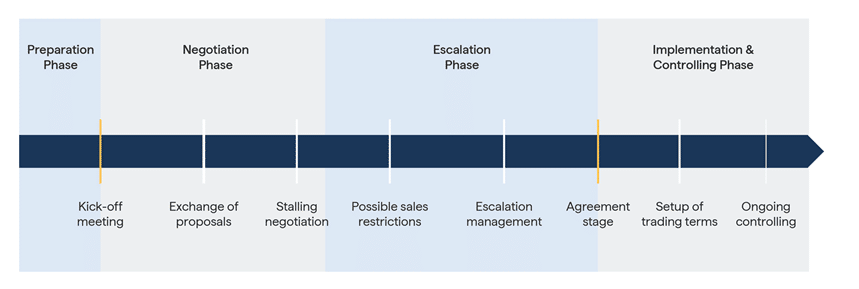
To begin with, joining Amazon Vendor Central requires an invitation. Typically, this invitation is issued by an Amazon Buyer—Amazon’s internal representative responsible for sourcing and managing vendor accounts. These buyers act as the bridge between your business and Amazon. Only after receiving this invitation can formal discussions about the vendor agreement take place.
Once invited, there are several important factors you must evaluate to secure a favorable deal with Amazon.
First, you must ensure that your warehouse operations meet Amazon’s requirements. Amazon expects vendors to provide scannable barcodes and maintain logistics that allow smooth pickup and delivery. These operational requirements are fixed and generally not open for negotiation.
Next, product quality and market demand play a vital role. Vendors should support their proposals with solid data, including profitability reports, sales forecasts, and market trends. Demonstrating strong demand and growth potential makes your offer more attractive to Amazon and strengthens your negotiation position.
Preparation is critical before meeting with an Amazon Buyer. You need a clear understanding of what terms you want to negotiate. Entering discussions without defined objectives can weaken your position. Common negotiation areas include wholesale pricing, accruals, operational efficiencies, logistics, listing optimization, trading terms, and overall fee structures. Knowing these elements helps you identify negotiation flexibility and potential trade-offs.
Cost structures should also be reviewed thoroughly. Amazon typically discusses shipping costs, damaged inventory, and returns. While vendors often aim to minimize returns, Amazon may require acceptance of returns for defective products. Payment timelines and payout terms are equally important and should be clarified to avoid cash flow challenges later.
Successful negotiation ultimately depends on clarity and mutual respect. You must be clear about your goals while also understanding Amazon’s priorities. Thoughtful, well-reasoned counteroffers are far more effective than aggressive demands. A cooperative approach improves the likelihood of reaching an agreement that benefits both parties.
Benefits of Becoming an Amazon Vendor
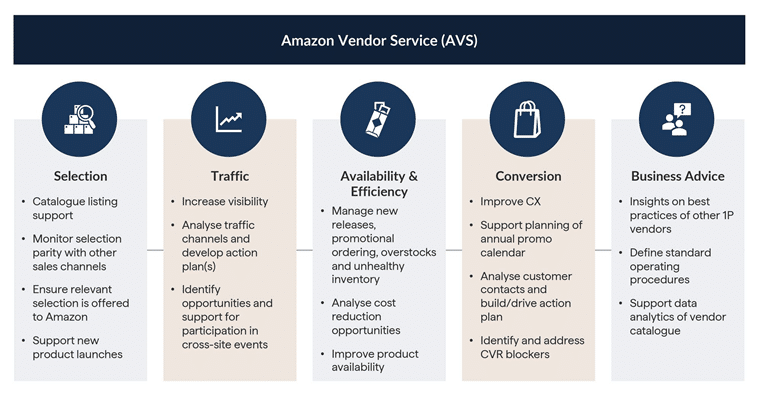
Becoming an Amazon Vendor offers access to Amazon’s powerful ecosystem. Vendors benefit from Amazon’s global reach, established trust, advanced logistics network, and data-driven insights. If you operate a wholesale business and want international exposure without managing global fulfillment yourself, Vendor Express can be a strong option.
Amazon’s infrastructure allows your products to reach customers across multiple countries without additional operational complexity on your end. Since Amazon manages storage, shipping, and customer service, vendors can focus solely on supplying quality products.
Another key advantage is access to detailed performance and customer analytics. These insights help vendors understand purchasing behavior and demand trends. Combined with Amazon’s marketing tools and promotional opportunities, this data can significantly enhance product visibility and sales. Additionally, vendor-listed products often carry the Amazon Prime badge, which boosts credibility and conversion rates.
Conclusion
Negotiating an Amazon Vendor Agreement requires careful planning, patience, and strategic thinking. It’s easy to get caught up in the excitement of joining Amazon Vendor Express, but overlooking contract details can lead to long-term challenges. Every term should be discussed thoroughly to ensure it aligns with both your business objectives and Amazon’s expectations.
Clear communication, professionalism, and respect go a long way in negotiations. Avoid aggressive tactics and focus on building a sustainable partnership. Establishing a strong relationship with Amazon can open doors to future growth opportunities and long-term success.