
As advertising campaigns continue to grow in scale and competitiveness, relying only on basic or seed keywords is no longer enough. Many successful Amazon advertisers now focus on more detailed search phrases to reach the right audience.
Including low-volume and long-tail keywords in your PPC strategy can help you optimize advertising costs while improving conversion rates. In this blog, we’ll explore why long-tail keywords matter and how they can help you identify high-intent search terms that drive better results for your Amazon products.

What Are Long-Tail Keywords?
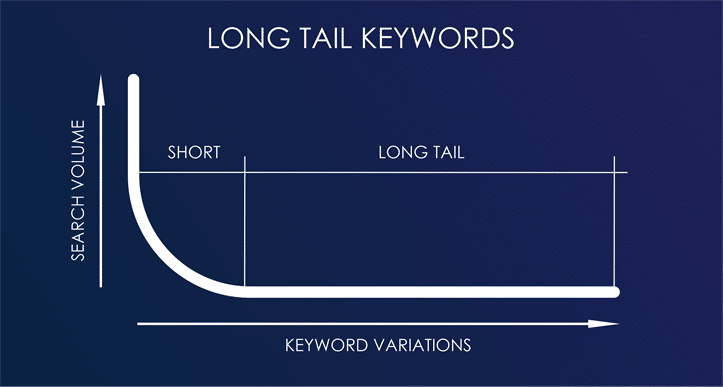
For sellers who are new to eCommerce, long-tail keywords refer to longer and more specific search phrases that customers use when looking for a particular product. These keywords usually describe the product in greater detail and often reflect a shopper who already knows what they want to buy.
Buyers tend to use these detailed search terms when they are close to making a purchasing decision. Long-tail keywords are also increasingly common in voice searches, where customers naturally use longer and more conversational phrases to find products.
Importance of Long-Tail Keywords
Keyword research is one of the most important steps for any eCommerce business. Going beyond basic keyword discovery and identifying long-tail variations can give sellers a competitive advantage.
When you target more specific keywords related to your niche, it becomes easier to reach customers who are actively searching for your product. As shoppers move closer to making a purchase, long-tail keywords often lead to higher conversion rates. Increased conversions can also contribute to better product visibility and stronger rankings within the Amazon marketplace.
In most cases, long-tail keywords are particularly valuable for new sellers because they usually offer:
- Lower competition
- Reduced cost-per-click (CPC)
- Higher purchase intent
Uses of Long-Tail Keywords
Adopting a long-tail keyword strategy is a smart approach for eCommerce businesses that want to improve their product visibility and attract qualified buyers.
Below are some key reasons why incorporating long-tail keywords into your Amazon PPC campaigns can be beneficial.
Lower Competition
Long-tail keywords generally face less competition compared to broader search terms. Since they are more specific, fewer products compete for those searches. This makes it easier for sellers to rank organically and secure better positions in search results.
Higher Conversion Rates
Customers who use long-tail keywords typically have a clear idea of what they want to buy. These shoppers are considered high-intent buyers, meaning they are more likely to complete a purchase after visiting your product listing. As a result, targeting these keywords can increase conversions and support stronger organic rankings over time.
How to Find Long-Tail Keywords for Your Ad Campaigns
There are several effective ways to discover long-tail keywords that can improve the performance of your advertising campaigns.
Some of the most commonly used methods include:
- Keyword research tools designed for eCommerce sellers
- Google Keyword Planner
- Amazon Sponsored Ads search term reports
These resources help sellers identify search phrases that potential customers are already using.
Google Keyword Planner
Many marketers and online sellers rely on Google Keyword Planner to discover new keyword opportunities and evaluate search demand.
In addition to keyword suggestions, Google also provides search term reports that reveal which queries are triggering your ads within its search network. By analyzing this data, you can identify keywords that perform well and remove irrelevant search terms by adding them as negative keywords in your campaigns.
This process helps improve targeting accuracy and ensures your advertising budget is spent on relevant searches.
Amazon Search Term Report
If you are already running advertising campaigns on Amazon, the Amazon Search Term Report can be a valuable source for discovering long-tail keywords.
Here’s how you can access this report in Seller Central:
- Log in to your Amazon Seller Central account and navigate to the Advertising tab.
- Select Campaign Manager from the dropdown menu.
- Locate the Measurement and Reporting section.
- Click Create Report to generate a new report.
- Under Configuration and Report Settings, choose Search Term as the report type.
- Give the report a clear name so it can be easily identified later.
- Select the desired reporting period, typically between 30 and 60 days.
- Click Run Report to generate the file.
Once the report is ready, download it in .xlsx format and review the data to identify valuable search terms and potential long-tail keywords.
How to Use Long-Tail Keywords on Amazon
After gathering keyword data, you can analyze metrics such as search volume and order performance to determine which keywords are most effective.
Sorting the report by these metrics helps highlight keywords that generate strong engagement and conversions. These high-performing long-tail keywords can then be integrated into your PPC campaigns and product listings to improve visibility and sales performance.
LSI Keywords for Amazon Products
After identifying long-tail keywords, the next step is optimizing your product listing with related search terms known as LSI keywords.
LSI keywords are semantically related phrases that help search engines better understand the context of a product listing. They allow the platform to determine how relevant your product is to different customer searches.
For Amazon sellers, including these related keywords within the product title, bullet points, and backend search terms provides additional context about the product. This can improve the chances of ranking for a wider range of relevant searches.
How to Find Amazon LSI Keywords
A simple way to discover LSI keywords is by conducting basic keyword research directly within Amazon’s search bar and reviewing the autocomplete suggestions.
These suggestions reflect the most frequently searched phrases related to your main keyword and can reveal both long-tail and related keyword variations used by real shoppers.
For example, if you type a primary keyword like “men’s shoes” into Amazon’s search bar, the autocomplete feature will display a list of related searches.
Typing variations such as “mens shoes a” might produce suggestions like “mens shoes athletic” or “mens shoes Adidas.” Similarly, entering “mens shoes b” could show suggestions like “mens shoes black” or other related terms.
By analyzing these suggestions, you can identify relevant keywords to include in your product listings and backend search fields.
Final Thoughts
Long-tail keywords are often overlooked in Amazon advertising strategies, yet they can play a significant role in improving conversion rates and campaign efficiency.
Not every long-tail keyword will be relevant to your product, so it is important to carefully evaluate which phrases best match your offering. By focusing on the most relevant long-tail keywords and optimizing other performance factors such as shipping speed and customer experience, sellers can strengthen their marketplace presence and support long-term business growth.