
Cyber Monday vs Black Friday is not about deciding which event is “better.” It’s about understanding how buyer behavior shifts between the two. In one case we reviewed, a skincare brand ran identical discounts across both days. While Black Friday produced decent numbers, Cyber Monday generated almost double the revenue. Nothing changed in pricing. What changed was when and how their audience shopped. Their core buyers were professionals who preferred purchasing during work hours, not battling crowds on Friday.
Together, both shopping days generated more than $41 billion in 2024, yet they performed very differently. Even though Amazon featured significantly fewer deals on Cyber Monday compared to Black Friday, Cyber Monday still crossed $13 billion in sales. This highlights a key insight: more discounts don’t always translate into more revenue if your offers don’t match shopper intent.
Shopping habits differ sharply between the two days. Black Friday appeals to crowd-driven buyers, both online and in-store, especially for big purchases like electronics and toys. Cyber Monday attracts digital-first consumers who shop from phones and laptops. Mobile devices accounted for over half of Cyber Monday purchases, and desktop conversion rates also ran higher compared to Black Friday. That same skincare brand later reallocated most of its ad budget toward Cyber Monday to match where conversions were happening.
Category behavior follows the same pattern. Electronics see quick spikes on Black Friday due to aggressive discounts. Beauty and personal care products tend to sell more steadily through Cyber Monday, where buyers show stronger intent. Kitchen and home items perform well across both days but peak at different times depending on browsing habits.
Top-performing sellers don’t treat these days as isolated events. Instead, they plan for an entire promotional window. Products added to carts on Friday often convert on Monday. Winning sellers track this behavior in real time, adjust inventory based on actual demand, and shift ad budgets when conversion rates peak, not just when common advice suggests.
This guide to Cyber Monday vs Black Friday focuses on how sellers can read real signals from their own stores, products, and audiences instead of copying strategies that worked elsewhere.
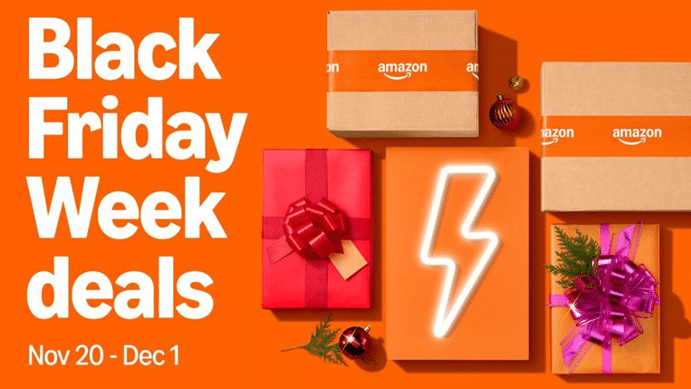
What Are Black Friday and Cyber Monday?
Black Friday and Cyber Monday are among the biggest retail events of the year. They give sellers the opportunity to move inventory quickly, increase revenue, and gain momentum going into the holiday season. For shoppers, these sales provide a chance to secure gifts and essential items at lower prices.
Both events mark the unofficial start of holiday shopping. As consumers actively seek discounts to stretch their budgets, sellers can align offers to meet year-end targets. These promotions occur immediately after Thanksgiving, which falls on the fourth Thursday of November each year.
Thanksgiving is followed by Black Friday, then weekend sales, and finally Cyber Monday. For 2026, Black Friday will take place on November 27, with Cyber Monday following on November 30.
How Black Friday and Cyber Monday Differ Over Time
Although both events occur within the same week, Cyber Monday vs Black Friday represents two very different shopping mindsets. Their origins reveal why consumer behavior varies so significantly.
Black Friday
Black Friday originated in the 1960s when retailers used it to describe the point where businesses turned profitable for the year. Over time, it became associated with early openings, doorbuster deals, and aggressive discounts on high-demand products.
While it began as an in-store event, online marketplaces have now become central to Black Friday success. Platforms like Amazon replicate the urgency through time-sensitive deals and limited inventory. High-value items such as electronics, appliances, and premium gifts dominate sales.
Impulse buying is common, making competition intense. Sellers aim to drive volume and capitalize on shoppers who are primed to buy without extensive consideration.
Cyber Monday
Cyber Monday was introduced in 2005 as a way to encourage online shopping after the Thanksgiving weekend. Initially targeting office workers browsing from desktops, it has evolved into a mobile-driven global event.
Deals typically span multiple categories, including electronics, home goods, fashion, and accessories. Promotions rely heavily on online tools like flash deals, coupons, and targeted campaigns.
Today, Cyber Monday rivals Black Friday in sales volume and often delivers higher-intent traffic. Sellers who understand Cyber Monday vs Black Friday trends can plan inventory, pricing, and marketing far more effectively.
Cyber Monday vs Black Friday: Quick Comparison
Timing and Campaign Focus
Black Friday promotions benefit from early launches, often starting a week in advance. Cyber Monday campaigns perform best when launched immediately after midnight, capturing buyers who are already browsing online.
Product Categories
Black Friday is dominated by big-ticket items such as TVs, laptops, and gaming systems. Cyber Monday performs well for online-friendly products like accessories, beauty items, and under-$50 purchases that encourage fast decisions.
Audience Type
Black Friday attracts a broad mix of families, deal hunters, and impulse shoppers. Cyber Monday appeals mainly to convenience-focused consumers who prefer online research, price comparison, and home delivery.
Selling Environment
Black Friday is fast-paced and highly competitive, with limited-time urgency and high order volume. Cyber Monday offers a more controlled digital environment where sellers can rely on analytics, optimization, and remarketing strategies.
Pros and Cons of Black Friday
High Volume in a Short Window
Black Friday consistently delivers large spikes in sales within a single day due to intense buyer anticipation.
Ideal for Expensive Purchases
Consumers expect deep discounts on premium products, making it ideal for electronics and large household items.
Massive Brand Exposure
Even non-buyers engage with listings, increasing wishlist adds and brand recall for later purchases.
Cons
Severe Competition
Price wars and ad saturation can thin margins quickly.
Inventory and Fulfillment Pressure
Sudden demand surges can cause stockouts, delayed shipping, and increased returns.
Split Focus for Omnichannel Brands
Managing both in-store and online operations simultaneously can reduce campaign efficiency.
Pros and Cons of Cyber Monday
Digital-First Buyer Base
Perfect for ecommerce sellers focused on online platforms.
Simplified Operations
No in-store traffic means better automation, analytics, and budget control.
Second Chance at Conversions
Cyber Monday effectively retargets shoppers who browsed on Black Friday but didn’t buy.
Cons
Ad Saturation
With everyone advertising online, visibility becomes more competitive.
Lower Average Order Value
Buyers often purchase smaller items rather than premium products.
Technical Dependence
Site speed, platform stability, and checkout performance are critical during peak traffic.
How to Run Ads for Black Friday Products
Focus on premium items with strong discounts and push urgency-driven creatives. Use deal messaging, countdown visuals, and limited-stock indicators to trigger fast decisions. Align inventory across all channels to avoid fulfillment issues.
Cyber Monday-Specific Growth Strategies
Promote Impulse-Friendly Products
Focus ads on affordable, fast-moving items.
Retarget Black Friday Traffic
Use remarketing to reconnect with shoppers who viewed products earlier.
Use Early Teasers
Build anticipation before Cyber Monday begins through email, SMS, or push notifications. Optimize for Speed
Reduce friction in checkout and purchasing flow to capture fast decisions.
Extend Cyber Week Offers
Keep high-performing campaigns live beyond Monday to maximize late conversions.
Final Thoughts
Cyber Monday vs Black Friday is not a competition; it’s a combined opportunity. Black Friday excels in volume and big-ticket purchases, while Cyber Monday captures high-intent digital buyers. Sellers who plan strategically across both days — with aligned inventory, dynamic ads, and data-driven decisions — can turn seasonal traffic into sustained growth and long-term profitability.