Launching a profitable Amazon product starts with a great idea—but that’s only the beginning. Once you’ve identified a winning product, the next crucial step is locating a reliable suppliers who can manufacture and ship it at a reasonable cost.
Your supplier plays a major role in the success of your Amazon business. Not only do they determine your product cost, but they also influence quality, production timelines, and consistency. Since Amazon customers expect high standards, working with the right supplier is essential.
Many sellers wonder where they should source their products from. Should you partner with overseas manufacturers in countries like China, or should you explore local suppliers? Both options offer advantages, and the best choice depends on your budget, logistics, and business goals.
In this guide, we’ll explore the most effective ways to locate Amazon FBA suppliers, where to search for them, and how to evaluate whether they’re the right fit for your business.
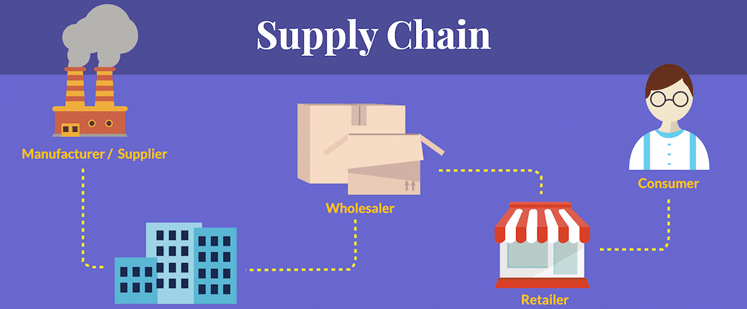
Finding the Best Suppliers for Amazon FBA
When discussing global manufacturing, one country inevitably dominates the conversation—China.
China has long been recognized as the world’s manufacturing powerhouse. A large percentage of consumer products sold globally are either manufactured or assembled there. The primary reason many Amazon sellers source from China is simple: lower production costs.
Because of reduced labor costs and large-scale manufacturing capabilities, Chinese suppliers can produce goods at significantly lower prices than many other countries. This cost advantage makes it difficult for manufacturers elsewhere to compete.
For Amazon sellers, maintaining competitive pricing is critical. The ability to buy products at lower manufacturing costs can help increase profit margins while still offering attractive prices to customers.
However, sourcing from China isn’t the only way to stay competitive. There are several other approaches sellers can use to find trustworthy suppliers for their Amazon FBA businesses.
Online Marketplaces
Online sourcing platforms are among the most common places where Amazon sellers find suppliers.
Websites such as Alibaba and AliExpress host thousands of manufacturers and wholesalers offering products across virtually every category. These platforms can be extremely valuable resources for product sourcing.
When purchasing from Alibaba, sellers often deal directly with manufacturers. Buying straight from the source typically results in lower per-unit costs. However, manufacturers usually require large minimum order quantities, which may not be ideal for beginners.
If you cannot find the right supplier on these platforms, you can explore additional B2B marketplaces such as Made-in-China, Global Sources, and JimTrade. These platforms specialize in international trade and connect buyers with manufacturers around the world.
Trade Shows
Industry trade shows offer another excellent way to discover suppliers.
Attending a trade show allows sellers to meet manufacturers face-to-face, which can be incredibly valuable when building long-term partnerships. In-person conversations help you better understand a company’s production process, quality standards, and business practices.
Trade events typically feature hundreds of suppliers, giving you the opportunity to compare products and negotiate pricing directly.
While many sellers travel to China to attend large manufacturing expos, it’s not always necessary. Numerous international trade fairs host Chinese and global manufacturers in cities around the world.
Before attending any trade show, it’s important to prepare thoroughly. Knowing exactly what type of product you want to source will help you stay focused and avoid being overwhelmed by the large number of options available.
Product Sourcing Agencies
Another option for finding suppliers is working with a sourcing agency.
These agencies specialize in connecting businesses with overseas manufacturers. They can assist with supplier identification, negotiation, manufacturing oversight, and shipping logistics.
Sourcing agencies can also help monitor production quality, ensuring that the final product meets the required standards before it is shipped.
However, these services come with additional costs. Agencies typically charge a commission or service fee, which can impact your profit margins—especially if you are competing in highly competitive Amazon niches.
Another limitation is that many sourcing agencies do not reveal the exact manufacturers they work with, meaning sellers may not build direct relationships with the suppliers themselves.
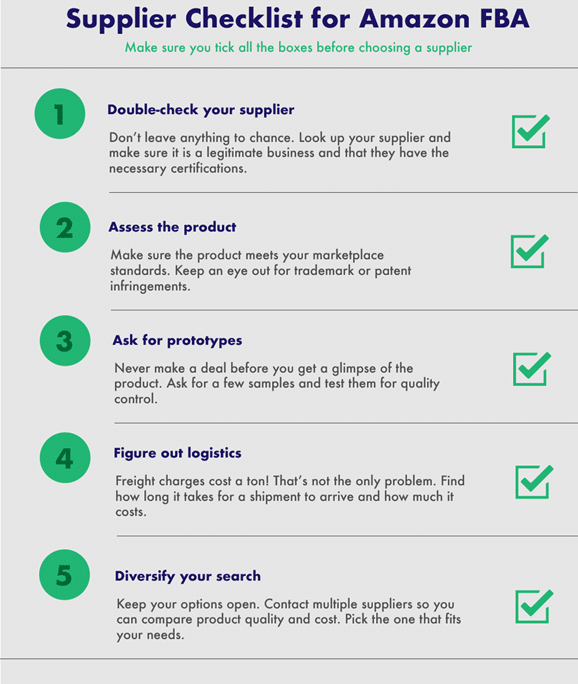
Your Amazon FBA Supplier Checklist
Once you have identified potential suppliers, the next step is evaluating them carefully.
Price alone should never be the deciding factor. Product quality, reliability, communication, and logistics efficiency are equally important.
In some cases, local suppliers may even become more cost-effective after considering expenses like shipping, import duties, customs clearance, and packaging.
Below are several important factors to evaluate when selecting your supplier.
Verify the Supplier’s Legitimacy
Just because a supplier appears on an online marketplace does not automatically guarantee reliability.
Ideally, visiting a supplier’s manufacturing facility in person provides the most accurate insight into their operations. However, this isn’t always feasible for every seller.
If you cannot visit the supplier directly, conducting a thorough background check becomes essential.
Important details to verify include:
- Business license and registration
- Supplier location and production facilities
- Ownership structure
- Factory images or videos
- Contact information
- Product certifications and compliance documents
Conducting simple research online can also reveal whether the company has a credible reputation.
Check Product Quality and Compliance
Every marketplace has specific quality and safety standards that sellers must meet.
Products sourced from overseas manufacturers may not always meet the regulatory requirements of your target market. Therefore, it’s essential to confirm that the supplier complies with relevant standards before placing an order.
In addition, sellers should ensure that the products do not infringe on existing patents or trademarks. Selling items that violate intellectual property rights can lead to serious consequences on Amazon.
Certain products—especially electronics—may require safety certifications or regulatory approvals. Ensuring these requirements are met in advance can prevent costly problems later.
Understand the Manufacturing Process
If your product is complex or contains multiple components, understanding how it is produced becomes extremely important.
Knowing the production process helps ensure consistent product quality and minimizes the risk of defects.
Successful Amazon sellers often invest time in learning every detail of their products, allowing them to optimize listings and respond confidently to customer questions.
Request Product Samples
Before committing to a large order, always request product samples or prototypes from your supplier.
Testing samples allows you to evaluate product quality, materials, durability, and overall design. It also gives you the opportunity to determine whether the product meets your brand standards.
If you plan to launch a private label product, reviewing samples ensures that the final product aligns with your branding and quality expectations.
Additionally, feedback from friends, family, or potential customers can help determine whether the product has strong market appeal.
Plan the Logistics
Shipping products internationally involves multiple logistical considerations.
Freight charges, customs duties, packaging requirements, and delivery timelines all influence your final costs. Sellers must carefully calculate these expenses before committing to a supplier.
Production timelines are equally important. Manufacturing new products can take several weeks, and shipping times can vary depending on the method used.
Running out of inventory can negatively impact sales performance and reduce your chances of winning the Buy Box. Therefore, understanding production and shipping timelines is critical.
Work With Multiple Suppliers
It is always wise to communicate with several suppliers rather than relying on just one.
Comparing different manufacturers allows you to evaluate pricing, quality, communication speed, and production capacity. This broader perspective helps you make a more informed decision.
Maintaining multiple supplier options can also provide backup solutions if one supplier experiences production delays or other issues.
Shipping Options for Amazon FBA
Once you’ve selected a supplier, the next decision involves determining how your products will be delivered to Amazon’s fulfillment centers.
Generally, sellers choose between two main shipping strategies:
- Shipping products directly from the supplier to Amazon’s warehouses
- Shipping products to themselves or a third-party inspection service first
Shipping Directly to Amazon Warehouses
Many manufacturers are familiar with Amazon’s FBA packaging and labeling requirements.
Sending products directly to Amazon warehouses can significantly reduce transit time and simplify logistics.
The main advantages include:
Faster delivery: Products reach fulfillment centers more quickly, allowing sellers to start generating sales sooner.
Lower operational costs: Skipping middlemen reduces handling and shipping expenses.
However, this approach also comes with disadvantages.
Without inspecting the products beforehand, sellers risk sending defective or poorly packaged goods directly to Amazon, which could lead to costly problems.
Shipping to Yourself or a Third Party
Some sellers prefer to ship their products to themselves or to a third-party inspection company before forwarding them to Amazon.
This additional step allows sellers to inspect product quality, verify packaging, and ensure compliance with Amazon’s requirements.
The main advantages include:
Better quality control: Sellers can check for defects and verify packaging before inventory reaches Amazon.
Protection of business strategies: Managing logistics internally can prevent suppliers from learning sensitive information about your operations.
However, this method may also involve higher expenses and longer transit times.
Handling inspections, repackaging, and reshipping adds both cost and time to the supply chain.
For new sellers launching their first product, conducting quality inspections before sending inventory to Amazon is often the safest approach.
Local vs Overseas Suppliers
Choosing between local and overseas suppliers ultimately depends on your priorities.
Local suppliers offer shorter shipping times, easier communication, and greater control over product quality.
On the other hand, overseas manufacturers—particularly in Asia—often provide significantly lower production costs, which can increase profit margins.
When selecting a supplier, sellers should consider factors such as manufacturing costs, shipping expenses, production speed, and logistical complexity.
Keeping multiple sourcing options available ensures flexibility and helps sellers adapt as their businesses grow.
Final Thoughts
Finding the right supplier is one of the most important steps in building a successful Amazon business.
A reliable supplier ensures consistent product quality, competitive pricing, and efficient logistics. Taking the time to research, verify, and test potential suppliers can help prevent costly mistakes later.
By following a structured supplier checklist and exploring multiple sourcing options, sellers can build strong partnerships that support long-term growth in the Amazon marketplace.