Amazon is now the world’s largest online marketplace, but many people forget that its journey started with a very simple product—books. When Jeff Bezos launched Amazon, it operated purely as an online bookstore before expanding into countless other categories.
Even today, books remain a core part of Amazon’s ecosystem. The platform has significantly reshaped how books are published, distributed, and sold, generating billions of dollars in global revenue every year.
In fact, research by eMarketer shows that nearly 62% of books, music, and video products are now purchased online, proving just how dominant e-commerce has become in this space.
If you’re an e-commerce seller wondering how to selling books on Amazon and generate consistent profits, you’re in the right place. This guide walks you through everything—from sourcing and pricing to fulfillment and tips for long-term success.
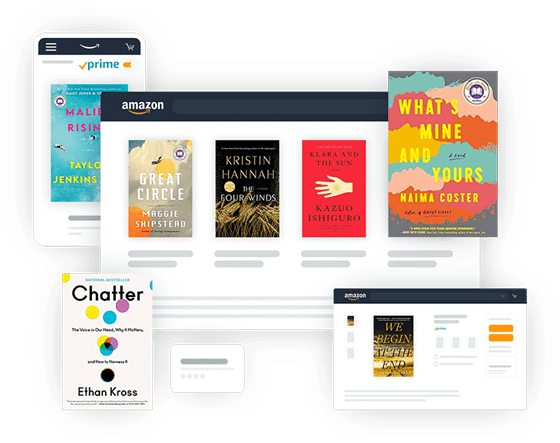
Why You Should Sell Books on Amazon
Selling books on Amazon is considered a low-risk business idea that doesn’t require a large upfront investment. Books rarely go out of demand, as people across all age groups continue to read for education, entertainment, and personal growth.
With frequent new releases and evergreen titles always in circulation, books can offer healthy profit margins. However, success depends heavily on researching demand, understanding market trends, and choosing the right book categories—or even tapping into the used-books market.
Reselling books is also an excellent way to declutter your shelves while making extra income. Instead of discarding old books, you can resell them to readers who value affordability and sustainability.
If you’re wondering whether selling books on Amazon is still profitable, it helps to know that books consistently rank among Amazon’s top five product categories. Combined with flexible fulfillment options like FBA and FBM, sellers can easily scale their operations based on inventory size and budget.
How to Sell Books on Amazon
Before getting started, you’ll need to decide whether you want to sell new books or used books. Used books can come from personal collections, thrift stores, library sales, or clearance events, while new books typically require wholesale sourcing.
Buying books in bundles is a common and efficient way to build inventory quickly. You can source inventory through offline stores, online platforms, or wholesale suppliers. Once your inventory plan is ready, the next step is setting up your Amazon seller account.
Steps to Start Selling Books on Amazon
- Visit Amazon.com
- Create a standard Amazon user account
- Hover over your profile name and select “Start a selling account”
- Click Sign Up
- Choose between:
- Individual Plan: $0.99 per item sold
- Professional Plan: $39.99 per month
After your account is active, list your books by entering their ISBN and selecting “Have One to Sell.” You’ll be required to accurately describe the book’s condition based on Amazon’s condition guidelines.
Next, select your fulfillment method—FBA (Fulfillment by Amazon) or FBM (Fulfillment by Merchant)—and analyze pricing, reviews, selling fees, and profit margins before going live.
Important Things to Keep in Mind
If you opt for FBM, you’ll be responsible for storage, packaging, shipping, and customer communication. Choosing FBA allows Amazon to handle these aspects, including returns and customer service, making it easier to manage larger volumes.
Once your books start selling, timely shipping and accurate listings are critical for earning positive feedback. Strong ratings improve visibility and credibility, directly influencing sales.
You’ll also need certain documents to sell on Amazon, including identity verification, bank account details, ISBN information, and SKU numbers for inventory tracking.
What Types of Books Can You Sell on Amazon?
Amazon allows sellers to offer a wide variety of books, including collectibles, classics, textbooks, comics, non-fiction, and niche genres. Choosing a genre with consistent demand and manageable competition is key to sustainable sales.
New books generally attract higher demand, but they are harder to source and often require bulk purchasing from publishers or distributors. This route works best for sellers with higher budgets and long-term goals.
Used books, on the other hand, are easier to acquire and involve significantly lower upfront investment. You can source them from thrift stores, estate sales, yard sales, library sales, and online marketplaces.
How Much Does It Cost to Sell Books on Amazon?
Amazon charges a 15% referral fee on each book sold, along with a variable closing fee. Additionally, sellers must account for subscription fees based on whether they choose an Individual or Professional plan.
Operational expenses include fulfillment costs. FBA fees may include storage, order handling, removal, and disposal fees, which can add up if inventory doesn’t move quickly. FBM sellers incur their own shipping and handling expenses.
If you’re an author, selling through Amazon Kindle can generate royalties on each sale, while Amazon retains a percentage as commission. Despite these costs, books remain one of the most affordable categories to start selling on Amazon.
How to Find Profitable Books to Sell on Amazon
Finding winning books involves evaluating Amazon Best Seller Rank (BSR), competition levels, demand consistency, and net profit after fees.
Popular Sourcing Methods
Online & Offline Arbitrage
Purchase discounted books from platforms like online marketplaces, bookstores, flea markets, or thrift shops, then resell them on Amazon at a higher price.
Bulk and Wholesale Sourcing
Buying books in bulk often results in lower per-unit costs. Estate sales, bookstore closures, and clearance events are excellent places to start.
Market Research
Review Amazon’s Best Sellers lists to understand demand trends. Ideally, look for books with a BSR under 100,000, as lower ranks indicate higher sales velocity.
New sellers should avoid highly competitive niches initially and focus on steady, low-competition titles. Seasonal demand and reader trends also play an important role in book performance.
If you’re a writer, Kindle Direct Publishing (KDP) offers a direct way to publish and sell digital books, allowing you to earn based on downloads and readership.
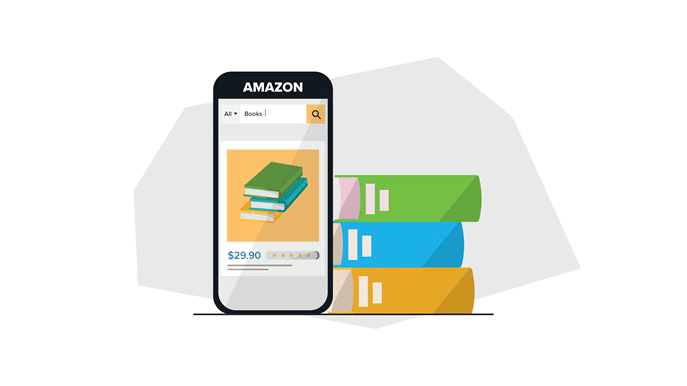
How to Sell Used and Old Books on Amazon
When selling used books, condition is extremely important. Books are susceptible to wear, discoloration, and damage, so proper storage is essential before listing.
The requirements for selling used books are similar to those for new ones: an Amazon seller account, inventory, and a fulfillment method. However, accurately following Amazon’s condition guidelines is crucial to avoid customer dissatisfaction.
Pricing Tips for Used Books
- Better condition books can be priced higher
- Compare competitor prices and listings
- Customer ratings strongly influence conversions
- Aim to win the Buy Box to increase visibility and sales
Winning the Buy Box significantly boosts sales potential and strengthens trust among buyers.
Best Book Categories to Sell on Amazon
Some book categories consistently perform well, including:
- Textbooks
- Comic books
- Non-fiction
- Hardcover editions
- Self-help books
- Memoirs and biographies
- Health, fitness, and dieting
- Religion and spirituality
Conclusion
Selling books on Amazon is an excellent entry point for anyone looking to build or expand an e-commerce business. Whether you’re a beginner testing the waters or an experienced seller refining your strategy, books offer steady demand and scalable potential.
By researching carefully, managing costs, and choosing the right sourcing and fulfillment methods, sellers can build a profitable book-selling business while laying the foundation to expand into other product categories.