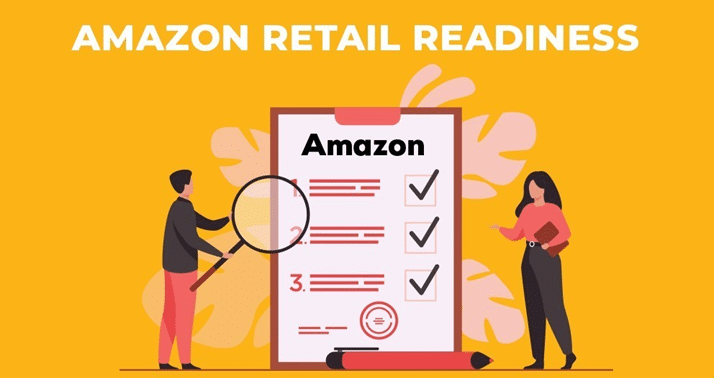
Before launching your products or investing in ads, it’s essential to ensure your listings are fully “retail ready.” This means every element in the retail readiness checklist must be properly optimized and complete.
When building effective Amazon marketing strategies, retail readiness plays a foundational role. Before running ads or scaling promotions, your product pages must be prepared to convert traffic into sales.
A well-optimized listing not only improves your chances of securing premium ad placements but also ensures you get maximum return on your advertising spend.
This becomes even more important when you’re investing significant money into promotions. Without retail readiness, even the best campaigns can fail to deliver results. Let’s break this down in detail.
What is Retail Readiness?
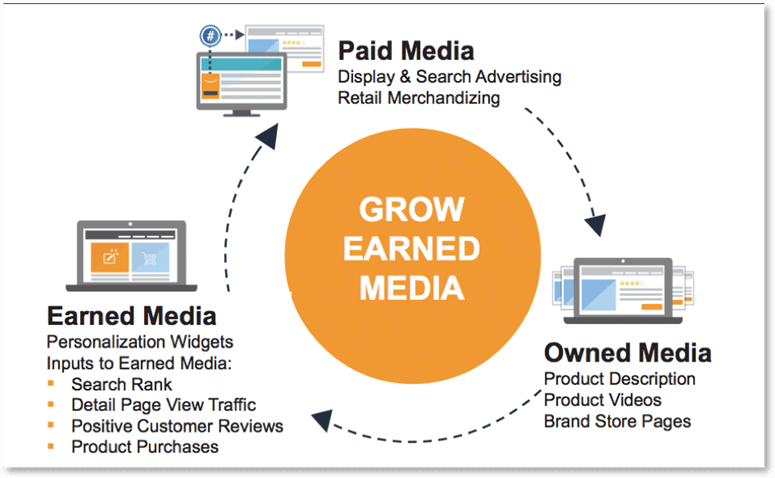
Retail readiness refers to the process of optimizing your product listings so they present all content—text and visuals—in the most compelling way possible.
The goal is simple: attract potential buyers, build trust, and drive conversions through well-structured product pages, especially when supported by Amazon Marketing Services (AMS).
Why Retail Readiness Matters
In online shopping, customers cannot physically examine a product. Their entire decision depends on how well your product page communicates quality and value.
If your listing lacks clarity, appeal, or completeness, your chances of making a sale drop significantly.
Imagine being invited to a luxurious dinner party that promises a wide variety of food and drinks. You arrive excited, only to find everything poorly arranged or missing. Naturally, you would feel disappointed and hesitant to trust such invitations again.
This is exactly how customers feel when ads promise something great, but the product page fails to deliver. One bad experience can push customers away permanently.
Driving traffic to your listing is only half the job. The real success lies in ensuring a seamless and satisfying experience once visitors land on your product page.
Conversion rate plays a key role here. Most shoppers typically:
- Browse product images
- Read descriptions
- Scan bullet points
- Check reviews and ratings
If any of these elements are weak or poorly organized, it can discourage buyers and hurt your performance.
Amazon’s algorithm recognizes this behavior. Listings that fail to convert are gradually pushed down in search rankings, making it harder to recover visibility organically.
Optimizing Your Product Title
Your product title is one of the first elements shoppers notice, so it must be clear, relevant, and keyword-rich.
Important tips to follow:
- Capitalize major words while avoiding unnecessary capitalization
- Ensure the first 80 characters clearly communicate the product
- Include your primary keyword naturally
- Avoid using all caps
- Add details like size, quantity, or packaging after the main keyword
- Write measurements in full (e.g., “5 inches” instead of “5”)
A well-structured title improves both visibility and click-through rates.
Product Images That Convert
Images are one of the most influential factors in online purchasing decisions. Since customers can’t physically inspect the product, visuals must do all the work.
High-quality images help build trust, evoke emotions, and strengthen brand identity.
To optimize your product images:
- Use high-resolution visuals
- Ensure proper lighting and clarity
- Maintain a clean white background
- Add infographics to highlight features
- Showcase multiple angles
- Upload at least 6 images
Strong visuals significantly increase your chances of conversion.
Effective Use of Bullet Points
Bullet points allow shoppers to quickly scan and understand your product’s key benefits without reading lengthy descriptions.
They should clearly communicate how your product solves customer problems while remaining easy to read.
Best practices include:
- Use all 5 bullet points effectively
- Highlight key features and benefits
- Include secondary keywords naturally
- Place the strongest benefit first
- Keep each point within 500 characters
- Use sentence case and proper grammar
- Avoid excessive punctuation
- Include essential product details like size, color, and quantity
- Do not mention pricing or promotions
Well-crafted bullet points can significantly improve conversion rates.
Writing a Compelling Product Description
Although less prominent than titles and bullet points, the product description plays a crucial role in storytelling and brand positioning.
This section allows you to connect emotionally with customers while addressing their pain points and offering solutions.
Instead of sounding overly technical, focus on creating a narrative that builds trust and engagement.
Maintaining Product Stock Availability
Keeping your inventory in stock is critical for maintaining consistent sales performance.
Frequent stockouts can frustrate customers and damage your brand’s reliability. While occasional shortages may happen, repeated issues can negatively impact your rankings.
Reliable inventory management ensures you never miss potential sales opportunities.
Customer Reviews and Ratings
Customer feedback is one of the strongest influences on purchasing decisions. Most buyers rely heavily on reviews before making a purchase.
Positive reviews build trust, while negative feedback can reduce conversions.
To maintain strong ratings:
- Encourage honest reviews without pressure
- Avoid requesting only positive feedback
- Never use fake or incentivized reviews
- Focus on delivering quality products and service
- Aim for at least a 3.5-star rating
- Maintain a minimum of 15 verified reviews
Following these practices ensures compliance and long-term credibility.
Winning the Buy Box
The Buy Box is the section where customers finalize their purchase. Winning it is essential for maximizing sales and running effective ad campaigns.
Without the Buy Box, your visibility and conversion potential drop significantly.
To increase your chances:
- Use Fulfillment by Amazon (FBA)
- Offer competitive pricing
- Deliver excellent customer service
Consistently winning the Buy Box indicates strong performance and reliability.
Enhanced Brand Content (EBC / A+ Content)
Enhanced Brand Content (or A+ Content) allows sellers to upgrade their listings with visually rich and engaging layouts.
It improves customer experience by presenting information in a more interactive and appealing way.
With A+ Content, you can:
- Use high-definition images
- Add structured text sections
- Include comparison charts
- Highlight brand story and values
This feature can significantly improve conversion rates and help customers make informed decisions.
What to Do If Your Listing Isn’t Retail Ready
If your listing falls short, start by fixing the key areas outlined in this checklist.
Focus on:
- Improving product images
- Writing compelling descriptions
- Enhancing content quality
- Optimizing titles and bullet points
- Building strong reviews
- Maintaining stock availability
- Setting competitive pricing
Addressing these factors will help transform your listing into a high-performing asset.
Common Mistakes to Avoid
Pricing plays an important role in retail readiness. For example, products priced too low may be categorized as add-on items, limiting standalone purchases.
Additionally, poor-quality content—such as blurry images, unclear descriptions, or grammatical errors—can negatively affect both conversions and rankings.
These issues result in a double loss: reduced sales and wasted ad spend.
Final Thoughts
Retail readiness is not optional—it’s the backbone of a successful Amazon strategy. Without it, even the most well-funded campaigns will struggle to perform.
By optimizing every aspect of your product listing, you not only improve conversions but also strengthen your organic rankings and long-term growth.
Invest time in getting your listings retail ready, and you’ll set a strong foundation for sustainable success on Amazon.