
Are you overspending on your campaigns? Or wondering whether your ads are truly performing at their best? Have you tried ad scheduling?
These are common concerns for brands and advertisers managing Amazon PPC. Many sellers invest time in keyword bidding and campaign optimization, yet still see minimal clicks or conversions.
But what if you could focus your ad spend only during the hours when your customers are most likely to buy?
That’s where automated ad scheduling comes in. With the help of various tools, you can streamline campaign management and improve efficiency. Ad scheduling—also known as dayparting—is a powerful approach to refining your Amazon advertising strategy.
What Is Ad Scheduling and How Does It Work?
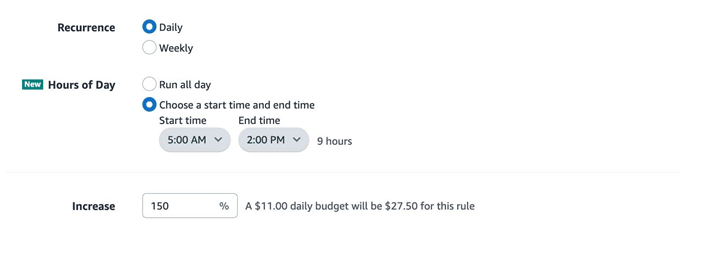
Ad scheduling, often referred to as dayparting, allows you to control when your ads appear. By default, Amazon campaigns run continuously, but this feature enables you to restrict them to specific times and days.
It gives you the flexibility to adjust campaigns based on time, day, or even seasonal trends.
The core idea is simple: campaigns perform differently depending on when customers are most active. Ad scheduling helps you automatically adjust bids and budgets so you can spend more during high-conversion periods and less during low-performing times.
Why You Should Schedule Ads for Amazon PPC Campaigns
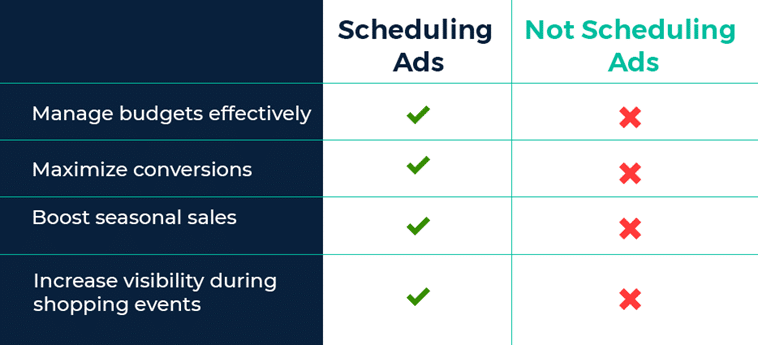
Target High-Potential Shopping Periods
One of the biggest advantages of ad scheduling is the ability to focus on high-demand periods. For example, during major shopping events like Prime Day or holiday sales, competition increases significantly.
Using ad scheduling, you can increase bids strategically during these peak windows to maximize visibility and sales.
Optimize Spending Across the Week
Sales trends often vary depending on the day of the week. Many sellers experience higher conversions on certain days, while others see slower performance.
If your business follows a similar trend, it makes sense to allocate more budget to high-performing days and reduce spending during slower periods. This ensures your ad spend is used more efficiently.
Improve Visibility During Peak Conversion Hours
With increasing competition on Amazon, showing your products to the right audience at the right time is critical.
Not all traffic leads to sales—many users browse without purchasing. Ad scheduling helps you avoid spending on low-intent traffic and instead focus on timeframes where buyers are more likely to convert.
Enhance Overall Advertising Efficiency
Building on the previous point, reducing ad exposure during low-conversion periods can significantly cut unnecessary costs.
This allows you to reallocate your budget toward campaigns or products that deliver better results, ultimately improving your overall return on investment.
Benefits of Scheduling Ads on Amazon
1. Better Management During Shopping Events
Major events like Prime Day, Black Friday, and the Q4 holiday season are crucial for scaling your business. During these periods, both demand and competition increase, often driving bids significantly higher.
Ad scheduling allows you to plan campaigns in advance and adjust bids strategically throughout these high-traffic periods, helping you stay competitive without overspending.
2. Smarter Daily and Weekly Budget Allocation
Campaign performance can fluctuate throughout the day. With ad scheduling, you can identify off-peak hours and reduce spend during those times.
This approach minimizes wasted ad spend and ensures your budget is directed toward the most productive time slots.
3. Increased Conversions
If your data shows that orders peak during specific hours—such as evenings—it’s important to capitalize on that trend.
By increasing bids during high-conversion windows, you can boost visibility and drive more sales while avoiding unnecessary spending during quieter periods.
4. Leveraging Seasonal Demand
For sellers offering seasonal products like gifts or decorations, demand spikes during certain times of the year.
Ad scheduling allows you to plan ahead and increase your ad spend during these peak seasons, ensuring you capture maximum demand while competition is high.
What Analysis to Perform Before and After Scheduling Ads
Before implementing dayparting, it’s essential to analyze your campaign data, customer behavior, and overall sales trends.
Campaign Data
Although Amazon does not provide hourly campaign data, you can still analyze available metrics to identify patterns in performance over time.
Overall Traffic Trends
You can access Seller Central reports to review sales and traffic data. This helps you identify when your store experiences the highest activity and conversions.
Historical Data
Historical performance plays a critical role in decision-making. Instead of relying on short-term data, analyze trends over a longer period—typically 30 to 90 days—to ensure your insights are reliable and statistically meaningful.
If your analysis shows that certain hours—such as late night—consistently generate little to no sales, it’s more effective to pause ads during those times. This helps reduce wasted clicks and improves overall efficiency.
Limitations of Ad Scheduling
Despite its benefits, ad scheduling does have some limitations that sellers should consider.
Lack of Hourly Data
Amazon does not provide detailed hourly performance data, making it challenging to evaluate campaigns at a granular level.
Additionally, historical campaign data is limited, which can make long-term analysis more difficult.
Data Reporting Delays
Amazon’s reporting system typically has a delay of up to 48 hours for sales and conversion data.
This delay means you need to rely on larger data samples when evaluating performance and making adjustments.
Reduced Reach
Restricting ad visibility can sometimes limit your exposure to potential customers. If your audience is active throughout the day, overly aggressive scheduling may cause you to miss valuable opportunities to convert browsing users into buyers.
Things to Keep in Mind Before Scheduling Ads
Before implementing ad scheduling, keep the following considerations in mind:
Define Clear Campaign Goals
If your primary objective is brand awareness or reach, limiting ad visibility may not be the best approach.
Choose carefully which campaigns should be scheduled and which should remain active at all times.
Avoid High CPC Competition Windows
During certain hours—especially early mornings—many advertisers adjust bids, increasing competition and cost-per-click.
If you’re new to ad scheduling, it’s best to test cautiously and avoid these highly competitive periods initially.
Align with Promotional Campaigns
Short-term promotions like lightning deals can benefit significantly from ad scheduling.
By aligning your ads with these time-sensitive offers, you can maximize visibility and drive better results during promotional periods.
Conclusion
The era of one-size-fits-all advertising is over. To succeed on Amazon, your campaigns must be tailored to customer behavior, preferences, and buying patterns.
Ad scheduling, or dayparting, is a powerful strategy that helps you optimize ad spend, improve efficiency, and increase conversions. When used correctly, it can make a significant difference in your overall PPC performance.