
Picture having plenty of stock in Amazon’s warehouses, but over time some items remain unsold—slowly raising storage charges and cutting deep into your profits at Amazon Aged stock.
The good news? This problem has straightforward solutions.
With the right inventory management tactics, you can minimize aging stock, boost sales, and strengthen the overall profitability of your Amazon business.
Let’s break down what Amazon aged inventory is and explore practical strategies to prevent your inventory from aging.
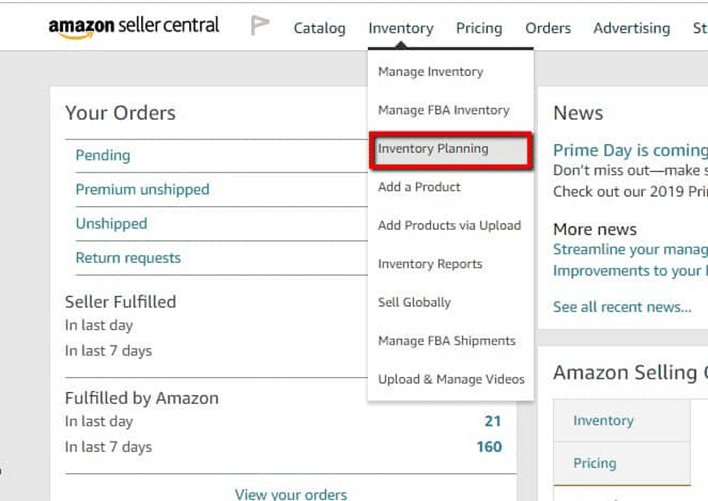
What Is Inventory Aging on Amazon?
Inventory aging—previously known as long-term storage fees—is a major concern for Amazon sellers.
It occurs when units sit in Amazon’s fulfillment centers for 181 days or longer, triggering an aged inventory surcharge added to your regular storage fee on the 15th of every month.
But the impact isn’t just financial. Aging inventory can hurt important performance indicators such as your sales rank and Inventory Performance Index (IPI).
Understanding which products are tying up storage fees and cash flow allows you to price strategically, promote wisely, and restock efficiently—ultimately improving inventory turnover and profitability.
What Is the Problem With Inventory Aging on Amazon?
Aged inventory poses multiple challenges for Amazon sellers. When items sit too long, Amazon charges extra fees and penalties that can reduce your profit margins.
In addition, aging stock often leads to poor sales performance and a drop in IPI scores. This makes it essential to regularly monitor your inventory levels to avoid these setbacks and maintain strong account health.
How Does Amazon Inventory Aging Affect IPI?
Inventory aging directly influences your Inventory Performance Index, a metric that evaluates how well you manage your stock levels, fix listing issues, and maintain product availability.
There are two main ways aged stock lowers your IPI:
- Obsolescence risk increases, leading to more outdated items.
- Higher days of supply slows sales velocity, which hurts your performance.
If your IPI falls below Amazon’s minimum threshold, the platform may impose storage limits—forcing you to reduce excess inventory.
Keeping around two to three months of stock in FBA centers is ideal, but factors like production lead time, freight delays, and warehouse handling can make this challenging.
How to Avoid the Aged Inventory Surcharge
Preventing aged inventory fees starts with proactively clearing old stock before the monthly assessment date.
One approach is to use Amazon Outlet, offering at least a 20% discount to move slow-selling items quickly.
Another option is to submit removal or disposal orders before the cleanup deadline—11:59 p.m. (PT) on the 14th of each month. Submitting the request is enough to avoid the surcharge, even if the items have not physically left the warehouse yet.
These tactics help sellers avoid unnecessary costs and manage inventory more efficiently.
Amazon Aged Inventory Surcharge Fees
Amazon charges aged inventory fees monthly between the 18th and 22nd.
Below are the fee structures before and after February 15, 2024 (same values but higher charges for items over 270 days from Feb 2024 onward).
| 2024, and after | |||||||||||
| Inventory Assessment Date | Items aged 181-210 days | Items aged 211-240 days | Items aged 241-270 days | Items aged 271-300 days | Items aged 301-330 days | Items aged 331-365 days | Items aged 365 days or more | ||||
| Monthly (every 15th of the month) | $0.50 per cubic foot (excluding certain items) | $1.00 per cubic foot (excluding certain items) | $1.50 per cubic foot (excluding certain items) | $5.45 per cubic foot | $5.70 per cubic foot | $5.90 per cubic foot | $6.90 per cubic foot or $0.15 per unit, whichever is greater | ||||
6 Effective Strategies to Fix Inventory Aging on Amazon
1. Analyze Inventory Turnover Rates
Understanding turnover rates helps you determine how fast products are selling.
It is calculated by dividing your cost of goods sold (COGS) by your average inventory.
A low turnover rate signals slow-moving items, allowing you to take timely action to reduce aging stock.
2. Implement Strategic Inventory Planning
Good inventory planning involves aligning stock levels with demand patterns.
By considering trends, seasonal demand, and product life cycles, you can maintain optimal stock while avoiding overstocking.
Working more closely with suppliers can also help you balance inventory, reduce excess, and prevent aging products.
3. Forecast Demand
Demand forecasting helps predict future sales using market trends, sales history, and customer behavior.
By anticipating demand shifts, you can adjust purchase orders and avoid both overstock and stockouts—two major triggers of inventory aging.
4. Use Amazon’s Inventory Age and Health Reports
Amazon provides detailed insights through its Inventory Age and Inventory Health reports.
These reports highlight slow-moving products and aging stock, allowing you to take early corrective action.
Reviewing these reports regularly helps you manage inventory more proactively and reduce aging risks.
5. Optimize Product Listings and Visibility
Enhancing your product listings improves visibility and encourages more sales.
Focus on strengthening titles, descriptions, keywords, and images to attract more buyers.
Pair listing optimization with advertising and promotions to drive extra traffic—especially to slow-moving items.
6. Promote Products to Boost Slow-Moving Inventory Sales
Discounts, coupon offers, and targeted campaigns can accelerate sales of stagnant inventory.
Using Amazon Ads, Outlet deals, and off-Amazon marketing channels helps you push clearance items more effectively.
Incentives and promotions play a major role in reducing aged inventory and improving overall sales performance.
Conclusion
Managing aged inventory is essential for Amazon sellers who want to remain competitive and profitable. Aging stock not only leads to additional fees but also hurts your IPI score and sales rank.
Success on Amazon requires consistent monitoring, smart forecasting, and proactive inventory control. By staying ahead of aging issues, you can keep cash flow healthy and maintain strong marketplace performance.