
If you’re selling on Amazon in 2026, you’ve probably noticed a new feature called Amazon Seller Wallet inside Seller Central. Many sellers are asking questions like, What is Amazon Seller Wallet? or How does Amazon Seller Wallet work? as Amazon continues expanding this financial tool across the United States after successful launches in Europe and Asia.
The Amazon Seller Wallet is more than just another payment feature. It allows sellers to receive payouts more quickly, manage balances in multiple currencies, and simplify international payments without relying entirely on external services such as Payoneer or Wise.
Amazon’s long-term objective is clear: create an ecosystem where sellers not only run their businesses but also manage their finances without leaving the Amazon platform.
Whether Amazon Seller Wallet is the right solution depends largely on your business model. Sellers operating across multiple marketplaces may find it extremely valuable for improving cash flow and reducing foreign exchange expenses. Others may appreciate the convenience but still prefer traditional payment providers for greater flexibility and control.
If you’re wondering how to sign up for Amazon Seller Wallet, the registration process itself is relatively straightforward. However, understanding when and how to use the wallet strategically requires much more consideration.
In this guide, we’ll explain how Amazon Seller Wallet works, its latest features, pricing considerations, advanced strategies, potential risks, and whether it’s the right financial solution for your Amazon business in 2026.

What Is Amazon Seller Wallet?
At first glance, Amazon Seller Wallet may look like any other digital payment solution, but its purpose goes far beyond simply storing funds. It represents Amazon’s broader effort to build an integrated financial ecosystem where sellers can manage both their business operations and finances from one platform.
One of the biggest advantages is its seamless integration with services many sellers already use. Amazon Seller Wallet connects directly with Amazon Pay, allowing smoother payment management while also working alongside Amazon Lending. Eligible sellers can potentially access financing based on their sales performance and wallet activity, making it easier to secure working capital when needed.
For businesses selling internationally, the wallet simplifies cross-border transactions by allowing balances to be held in multiple currencies. Instead of automatically converting earnings into U.S. dollars, sellers can retain funds in local currencies and convert them only when exchange rates are more favorable.
Amazon originally introduced the wallet concept in several Asian marketplaces, including Japan and China, where international sellers required more efficient ways to receive and manage payments. Following successful adoption overseas, Amazon expanded the feature to U.S. sellers, positioning it as an alternative to third-party financial platforms.
Ultimately, Amazon Seller Wallet is designed to do much more than speed up payouts. It helps sellers maintain healthier cash flow, reinvest profits faster, manage foreign currency more effectively, and keep business finances closely connected with day-to-day selling activities. By bringing financial management directly into Seller Central, Amazon aims to make business growth faster and more efficient for modern sellers.
Key Features of Amazon Seller Wallet in 2026
Since its initial rollout, Amazon Seller Wallet has evolved into a much more capable financial management tool. In 2026, it offers several features designed to improve cash flow, simplify international transactions, and give sellers greater control over how they manage their earnings.
Faster Payout Transfers
One of the most talked-about features is faster access to your funds. While traditional ACH transfers may still require one to three business days, sellers can now choose an instant debit transfer option that delivers payouts to eligible linked debit accounts within minutes.
However, convenience comes at a cost. Instant transfers generally include a processing fee ranging between 0.4% and 1.5% per transaction. Sellers should evaluate whether paying for immediate access to funds makes financial sense, particularly during slower sales periods versus high-demand seasons like Prime Day or the holiday shopping rush.
Hold Funds in Multiple Currencies
For international Amazon sellers, the ability to retain earnings in different currencies is one of the wallet’s most valuable benefits.
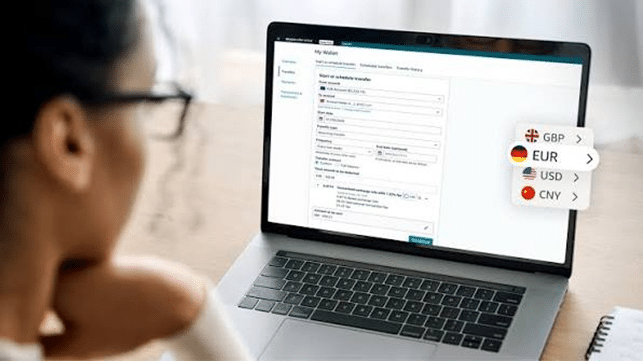
Instead of automatically converting every payout into U.S. dollars, Amazon Seller Wallet allows balances to remain in currencies such as GBP, EUR, and JPY. This flexibility enables sellers to decide when to convert funds based on favorable exchange rates or use those balances directly for international supplier payments, helping reduce unnecessary currency conversion expenses.
Foreign Exchange (FX) Conversion
Amazon has made its foreign exchange process more transparent, but its conversion rates still tend to be less competitive than specialized financial providers.
While services like Wise often charge approximately 0.5%–0.6% above the mid-market exchange rate, Amazon’s conversion spread can reach 1.5%–2%. Although the difference may appear small, businesses processing large international sales volumes could lose thousands of dollars annually through higher conversion costs.
Understanding the Fee Structure
There are currently no setup fees for Amazon Seller Wallet, but sellers should still understand the costs involved before making it their primary payment solution.
Some of the most common expenses include:
- Higher currency conversion spreads compared to dedicated fintech providers.
- Fees associated with instant payout transfers.
- Dormancy charges in certain international marketplaces if wallet balances remain inactive for extended periods.
While each individual fee may seem relatively minor, they can significantly impact profitability for businesses handling substantial transaction volumes across multiple countries.
Built-In Reporting Integration
Another major advantage is its direct integration with Amazon Business Reports.
Instead of exporting payment records from multiple financial platforms and manually reconciling transactions, Seller Wallet data automatically appears alongside existing seller reports. This provides a clearer view of cash flow, inventory planning, and overall financial performance.
The integration also simplifies bookkeeping by making it easier to connect transaction data with accounting software such as QuickBooks and Xero. For high-volume sellers, having operational and financial information available in one centralized dashboard can greatly improve decision-making and financial forecasting.
Who Should Use Amazon Seller Wallet—and Who May Want to Wait?
Amazon Seller Wallet can be a valuable financial tool, but it isn’t the ideal choice for every seller. Your experience with the platform largely depends on your account history, compliance status, and overall business maturity.
To better understand its advantages and limitations, let’s look at a real-world scenario that highlights why careful onboarding is important.
A Real Seller Experience
During the fourth quarter of 2025, one seller attempted to activate Amazon Seller Wallet just as their first inventory arrived at Amazon’s fulfillment centers. They had only recently started making sales and were preparing for the busy holiday season when their account was unexpectedly deactivated.
Amazon informed the seller that their Seller Wallet verification had failed. Even more concerning, the notification stated that they would not be permitted to reapply or create another Seller Wallet account.
For newer businesses, this situation serves as a reminder that Amazon applies the same strict compliance standards to its financial products as it does to its selling accounts. Proper documentation and account verification are just as important as sales performance.
What Caused the Problem?
Several factors appeared to contribute to the issue:
- The seller had only recently launched their Amazon business and had very limited sales history.
- During the Seller Wallet registration process, Amazon flagged the account for additional verification.
- Instead of requesting further documentation, Amazon denied the application and deactivated the seller account, offering no clear appeal process.
Why New Sellers Should Be Careful
New Amazon sellers often face greater scrutiny during identity verification and financial compliance reviews.
Without an established selling history or complete business documentation, there is a greater chance that Wallet enrollment could trigger additional account reviews. In some situations, this may temporarily interrupt business operations or delay access to inventory and payouts.
Because of this, sellers should ensure all business records, tax information, and identity documents are fully verified before applying for Amazon Seller Wallet.
Why Established Sellers Benefit More
Experienced sellers generally encounter fewer onboarding challenges because they already have a proven sales history and verified business records.
If additional verification is required, long-term sellers are typically in a stronger position to resolve compliance requests quickly. Once activated, Seller Wallet can provide meaningful advantages, including faster payouts, better foreign currency management, and more flexible payment options across international marketplaces.
Strategic Ways Sellers Are Using Amazon Seller Wallet
Beyond basic payment management, many experienced Amazon sellers are using Seller Wallet as part of a broader financial strategy to improve profitability and business growth.
Optimizing Cross-Border Transactions
Holding multiple currencies isn’t just about avoiding unfavorable exchange rates. Many sellers strategically time currency conversions around supplier negotiations.
For example, a seller earning revenue in Japanese Yen may delay conversion until exchange rates improve before paying a supplier that invoices in U.S. dollars. Even a small improvement in exchange rates can generate substantial savings on large annual purchasing volumes.
Improving Peak-Season Cash Flow
Fast access to funds becomes especially valuable during major shopping events such as Prime Day and the holiday season.
Many sellers use same-day payouts to:
- Secure warehouse space with third-party logistics providers.
- Place urgent inventory replenishment orders with suppliers.
- Increase advertising budgets while customer demand is at its highest.
The ability to reinvest revenue immediately often gives businesses a competitive advantage during periods of heavy marketplace traffic.
Accelerating Advertising Growth
Some advanced sellers integrate Seller Wallet directly into their advertising strategy.
For example, they establish internal rules that automatically allocate a portion of each payout toward Amazon PPC campaigns whenever advertising performance meets predefined profitability targets. This creates a continuous reinvestment cycle that supports faster business growth while maintaining advertising efficiency.
Paying International Suppliers
Although paying suppliers directly through Amazon Seller Wallet can simplify international transactions, relying exclusively on one payment platform also carries risks.
Some overseas suppliers still prefer receiving payments outside Amazon’s ecosystem, particularly when invoices are issued in U.S. dollars. Additionally, if Amazon temporarily restricts Wallet access due to account reviews, supplier payments may also be delayed.
For this reason, many experienced sellers continue using services like Wise or Payoneer as backup payment channels, ensuring they always have an alternative way to complete international transactions.
Important Considerations Before Using Amazon Seller Wallet
Although Amazon Seller Wallet offers convenience and faster access to funds, it also comes with certain risks that sellers should understand before making it their primary financial solution. From temporary account restrictions to tax implications, knowing these limitations can help you make better financial decisions.
Funds Can Be Temporarily Frozen
One of the biggest concerns is that your Wallet balance is directly connected to your Amazon seller account.
If your account becomes subject to an intellectual property complaint, identity verification review, or any account health investigation, Amazon may temporarily restrict access to both your selling privileges and the funds stored inside your Seller Wallet.
Because of this possibility, experienced sellers recommend avoiding the practice of keeping all available business capital inside the Wallet. Maintaining separate banking relationships provides an important financial safety net if unexpected account issues arise.
Understanding the Regulatory Differences
While Amazon Seller Wallet complies with U.S. financial regulations and Anti-Money Laundering (AML) requirements, it does not function like a traditional bank account.
Unlike checking or savings accounts held at many financial institutions, Wallet balances generally do not receive FDIC insurance protection. As a result, sellers should recognize that funds stored in the Wallet may not carry the same protections as money held in a conventional bank account.
For businesses managing significant monthly revenue, diversifying where funds are stored remains a sensible risk management strategy.
Tax Reporting Still Applies
Another common misconception involves tax reporting.
Keeping money inside Amazon Seller Wallet does not delay or eliminate your tax obligations. Earnings deposited into the Wallet are still considered part of your gross business income and may be reported accordingly, even if the funds have not yet been transferred to your external bank account.
To avoid bookkeeping discrepancies, many experienced sellers regularly synchronize Wallet transactions with accounting software such as QuickBooks or Xero. Frequent reconciliation helps maintain accurate financial records and reduces the likelihood of tax reporting errors.
Amazon Seller Wallet vs. Other Payment Solutions
Amazon Seller Wallet is entering a competitive market that already includes established payment platforms like Wise, Payoneer, and Shopify Balance. Each solution offers different strengths depending on how and where you operate your business.
Amazon Seller Wallet vs. Payoneer
Payoneer continues to be a preferred choice for sellers operating across numerous international marketplaces due to its extensive currency support, strong compliance infrastructure, and additional features such as VAT payment services in several regions.
However, Amazon Seller Wallet offers a major advantage for Amazon-focused businesses by integrating directly into Seller Central. Since payouts are processed within Amazon’s ecosystem, sellers often receive funds more efficiently without relying on external payment providers.
Amazon Seller Wallet vs. Wise
When it comes to foreign exchange rates, Wise generally remains the more cost-effective option.
Its conversion fees are often significantly lower than Amazon’s, making it attractive for businesses processing large international transactions. As a result, many experienced sellers adopt a hybrid strategy by receiving Amazon payouts through Seller Wallet for speed, then transferring funds to Wise when lower-cost currency conversion is required.
This approach allows sellers to benefit from both rapid access to earnings and reduced foreign exchange expenses.
Amazon Seller Wallet vs. Shopify Balance
Shopify Balance is designed primarily for merchants selling through multiple channels beyond Amazon, making it a strong option for businesses with diversified ecommerce operations.
In contrast, Amazon Seller Wallet is built specifically for Amazon sellers. Its native integration with Seller Central, reporting tools, and Amazon financial services makes it a more seamless solution for businesses whose primary revenue comes from the Amazon marketplace.
As Amazon continues expanding its financial ecosystem, Seller Wallet is increasingly becoming the default payout option for many eligible sellers.
Practical Tips from Experienced Amazon Sellers
Sellers who have already adopted Amazon Seller Wallet have shared several best practices that can help maximize its benefits while minimizing unnecessary costs.
Negotiate Better Supplier Terms
Some sellers have successfully secured discounts from overseas suppliers by offering faster payments through Seller Wallet instead of requesting extended payment terms. Immediate payment can strengthen supplier relationships while also reducing purchasing costs.
Monitor Exchange Rates
Rather than converting foreign currency balances immediately, many sellers use exchange rate tracking tools to monitor market fluctuations. Waiting for favorable currency movements can help reduce conversion costs over time.
Set Aside Funds for Taxes
Instead of transferring every dollar for business reinvestment, disciplined sellers often reserve a percentage of their Wallet balance specifically for estimated quarterly tax payments. This helps avoid cash flow issues when tax obligations become due.
Final Thoughts
Amazon Seller Wallet introduces several meaningful advantages for modern Amazon businesses. Faster payouts, multi-currency balances, and deeper integration with Seller Central can significantly improve cash flow, especially for sellers operating internationally or managing high-growth businesses.
At the same time, it should not be viewed as a complete replacement for traditional banking relationships or third-party payment providers. Potential account restrictions, higher currency conversion costs, and the absence of bank-level protections make diversification an important part of sound financial management.
For many sellers, the most effective approach is to use Amazon Seller Wallet for its speed and convenience while maintaining external bank accounts and alternative payment services as backup options. This balanced strategy allows businesses to benefit from Amazon’s integrated financial tools without becoming overly dependent on a single platform.