
Thousands of entrepreneurs enter Amazon’s marketplace every day, hoping to build a profitable online business. While the platform offers enormous opportunities, it is also home to millions of sellers competing for customer attention. For beginners, this level of competition can make getting started feel intimidating by reselling on Amazon.
Launching a successful Amazon reselling business isn’t always easy, especially when you’re competing against experienced sellers who already have established products, reviews, and customer trust. Standing out requires more than simply listing products for sale.
The good news is that success as an Amazon reseller is absolutely achievable when you understand the fundamentals. Building a solid foundation, choosing the right products, and following proven selling strategies can significantly improve your chances of long-term growth.
In this guide, you’ll learn everything you need to know about reselling on Amazon—from understanding the reseller business model to practical tips that can help you grow a profitable business on the marketplace.
Who Is an Amazon Reseller?
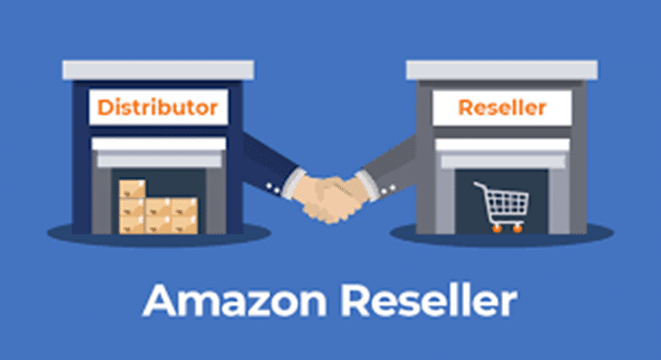
An Amazon reseller purchases products from suppliers such as manufacturers, wholesalers, or distributors and then sells those products directly to customers. Unlike private label sellers or brands that create their own products, resellers focus on marketing and selling existing products that are already available in the market.
Many resellers source inventory through wholesale suppliers, manufacturers, liquidation sales, online marketplaces, or even second-hand product channels. Their primary objective is to purchase products at competitive prices and generate profit by selling them at a higher price.
People often confuse resellers with distributors because both purchase products from suppliers before selling them. However, the two business models are quite different. Distributors typically maintain close partnerships with manufacturers and may handle marketing, branding, product distribution, and retailer support. Resellers, on the other hand, generally have little or no direct relationship with the manufacturer and simply focus on selling products to consumers.
Key Characteristics of the Reselling Business
Like every ecommerce business model, reselling comes with its own unique advantages and operating style.
One defining characteristic is that resellers usually have limited involvement with the original manufacturer. They typically don’t provide warranty services, technical support, or after-sales assistance on behalf of the brand.
Another important aspect is that many resellers keep inventory levels low or use fulfillment methods that reduce the need for large upfront investments. Their role is primarily to bridge the gap between suppliers and customers while responding to market demand.
Compared to launching a private label brand, reselling offers a relatively low barrier to entry. New entrepreneurs can begin with a smaller investment, learn how online marketplaces work, and gradually scale their business as they gain experience. Many sellers start on platforms like Amazon before expanding to additional marketplaces and social commerce channels.
How Amazon Reselling Works
For many resellers, Amazon FBA (Fulfillment by Amazon) is one of the most effective ways to operate. Through FBA, sellers send their inventory to Amazon’s fulfillment centers, where Amazon handles storage, order fulfillment, shipping, customer service, refunds, and returns.
Although FBA involves fulfillment and storage fees, it also gives sellers access to Amazon Prime customers and a logistics network that would otherwise be difficult to build independently. With proper product selection and pricing, these costs can be managed while maintaining healthy profit margins.
Getting started is fairly straightforward. After creating a seller account, preparing your product listings, and sourcing inventory, you can begin selling. However, simply listing products isn’t enough in today’s competitive marketplace. Long-term success depends on choosing the right products, pricing strategically, and optimizing your business operations.
Tips to Succeed as an Amazon Reseller
Building a profitable reselling business on Amazon requires more than simply listing products. Smart product selection, competitive pricing, and maintaining healthy profit margins all play an important role in long-term success. Below are several strategies that can help you stay competitive while growing your business.
1. Focus on Low-Competition Products
There are generally two approaches to reselling products on Amazon:
- Sell products that already have strong demand but face heavy competition.
- Sell products in less competitive categories with untapped potential.
For new sellers, targeting low-competition products is often the smarter choice. These products typically offer a better opportunity to establish your presence without immediately competing against hundreds of established sellers. With fewer competitors, it’s also easier to gain visibility and improve your chances of winning the Amazon Buy Box.
Securing the Buy Box can significantly increase your sales since most customers purchase from the default seller displayed on the product page. Higher sales contribute to stronger seller metrics, better rankings, and improved customer trust over time.
That said, low competition doesn’t always guarantee success. Sometimes a product has little competition because customer demand is limited or profit margins are too low. Before investing, conduct thorough product research to evaluate demand, competition, pricing trends, and profitability.
For newer sellers, entering a less crowded niche while building a positive seller reputation is often a practical way to establish long-term success.
2. Compete Strategically on High-Demand Products
Another option is to resell products that already have a proven sales history. Established products typically generate consistent customer demand, making it easier to attract buyers without educating the market about the product.
The downside is the intense competition. Multiple sellers often offer the same item, creating constant price competition. Many resellers lower their prices to improve their chances of winning the Buy Box and attracting price-conscious shoppers.
While competitive pricing can help generate initial sales, relying solely on discounts isn’t always sustainable. Customers who purchase primarily because of low prices may switch to another seller as soon as they find a better deal. This makes long-term customer retention more challenging.
Before reducing prices, carefully calculate all associated expenses—including sourcing costs, Amazon fees, fulfillment charges, shipping, advertising, and returns—to ensure your pricing strategy remains profitable.
3. Prioritize High-Quality Products
Product quality plays a major role in building a successful reselling business, regardless of the competition level.
Selling reliable, high-quality products helps generate positive customer experiences, encouraging better reviews and repeat purchases. Strong product quality also strengthens your reputation as a trustworthy seller.
Quality products often justify higher selling prices, allowing you to earn better profit margins without competing solely on price.
On the other hand, poor-quality products can quickly result in negative feedback, increased return rates, and customer complaints. Over time, these issues may affect your seller performance metrics and make it more difficult to grow your Amazon business.
4. Choose Products with Healthy Profit Margins
Profitability should always be one of the primary factors when selecting products to resell.
Even if a product sells well and receives excellent customer reviews, low margins can limit your ability to grow. After accounting for Amazon fees, advertising expenses, storage costs, shipping, and other operational costs, there should still be enough profit remaining to make the business worthwhile.
For example, earning only a small profit on each sale may seem acceptable initially, but scaling such a business becomes difficult as expenses increase. Carefully estimating all costs before sourcing inventory helps ensure you’re investing in products that support sustainable business growth.
Using an Amazon FBA profit calculator or similar profitability tools can help estimate your expected margins before making purchasing decisions.

5. Build a Recognizable Brand Presence
One of the biggest mistakes many new resellers make is trying to sell every product they come across. While this approach may generate occasional sales, it rarely leads to sustainable business growth.
Instead, focus on a specific niche or a small number of closely related product categories. Selling within a defined niche allows you to attract a targeted audience, build customer trust, and establish credibility over time. Even if your product catalog changes, maintaining a consistent niche helps customers recognize your business and increases the likelihood of repeat purchases.
Creating a focused brand identity also makes it easier to expand your product range in the future while serving the same customer base.
Common Reasons Amazon Resellers Fail
Many Amazon resellers struggle because they underestimate operating costs or make poor pricing decisions. While selling on Amazon offers tremendous opportunities, it’s also a highly competitive marketplace where pricing strategy can determine your success.
Manufacturers and established brands often sell directly to customers on Amazon. Since they produce the products themselves, they usually have lower costs and can reduce prices while remaining profitable. Resellers, however, purchase products from suppliers, making it much harder to compete purely on price.
Because of this, resellers need to focus on delivering value through smart product selection, efficient operations, and excellent customer service rather than relying solely on price competition.
Important Things to Consider Before Becoming an Amazon Reseller
Before starting your reselling journey, keep the following factors in mind:
- Multiple sellers can list and sell the exact same product on Amazon, making competition unavoidable.
- Many resellers lower their prices to increase their chances of winning the Buy Box, which can reduce overall profit margins.
- In some cases, you’ll be competing directly against the product’s original brand as well as other third-party sellers.
- Always calculate your complete cost structure—including sourcing, Amazon fees, storage, shipping, advertising, and returns—before deciding whether a product is worth selling.
- Be cautious when entering categories where Amazon Retail sells the same products, as competing directly with Amazon can make it difficult to remain profitable.
- Stay informed by engaging with Amazon seller communities where experienced sellers regularly share strategies, policy updates, and practical advice. Online communities on platforms like Reddit, Facebook groups, industry blogs, webinars, and YouTube channels can be valuable learning resources for both new and experienced sellers.
Final Thoughts
Reselling on Amazon remains one of the most accessible ways to start an ecommerce business without developing your own products. However, success depends on much more than simply sourcing inventory and creating listings.
By selecting profitable products, focusing on quality, understanding your costs, pricing strategically, and building a recognizable niche, you can create a reselling business that remains competitive in the long run. Instead of chasing short-term sales, prioritize sustainable growth and continuous learning to adapt to Amazon’s ever-evolving marketplace.
Whether you’re just getting started or looking to improve your existing reselling business, applying these best practices will put you in a much stronger position to grow your sales and achieve long-term success on Amazon.