
Are Amazon’s mistakes costing you money? You are certainly not alone. As you’re encountering Amazon FBA errors.
Throughout their selling journey, both new and experienced Amazon sellers may encounter a variety of issues. While some Amazon FBA errors may only cause minor inconveniences, others can result in significant financial losses.
Fortunately, sellers may be eligible for reimbursement when qualifying inventory or fulfillment discrepancies occur. By regularly reviewing their FBA activity and identifying eligible issues within Amazon’s applicable claim and reimbursement policies, sellers may be able to recover money that would otherwise be lost.
But what exactly is FBA? Fulfillment by Amazon (FBA) is a service that allows sellers to store their inventory in Amazon fulfillment centers. Amazon then handles the picking, packing, shipping, and certain customer service responsibilities associated with orders.
Sellers send their products to Amazon’s fulfillment network, where the inventory is stored and processed. Once a customer places an order, Amazon manages the fulfillment process and ships the product to the buyer. However, errors and discrepancies can sometimes occur along the way.
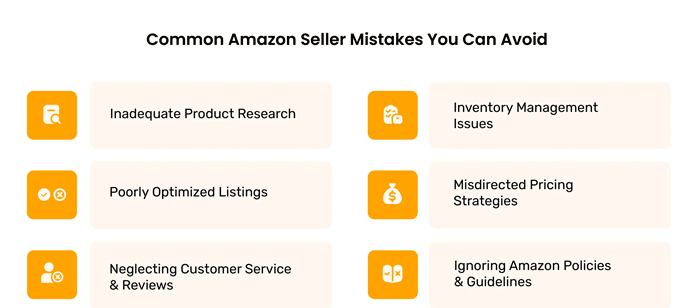
A Closer Look at Common Amazon FBA Errors
1. Products Are Lost or Damaged
Inventory can occasionally be lost or damaged while it is being handled within the FBA network. This may happen during storage, fulfillment, transfers between facilities, or the processing of customer returns.
When sellers send inventory to Amazon, they expect their products to arrive safely and remain properly accounted for. However, products moving through a large fulfillment network can sometimes become damaged or go missing.
Whether the issue occurs inside a fulfillment center or during another stage of the fulfillment process, the result can be the same: the seller loses valuable inventory and may suffer a financial loss.
In some cases, inventory discrepancies can also occur when products are incorrectly recorded or associated with the wrong inventory records. Because FBA operations involve large volumes of products and orders, tracking issues can occasionally arise.
For this reason, sellers should regularly monitor their inventory reports and investigate any unexplained discrepancies as soon as possible.
2. Return-Related Errors Occur
Amazon is well known for its customer-focused approach, which makes the return process convenient for buyers. However, this can occasionally create challenges for sellers.
While most customers follow the rules, some may attempt to misuse the return process. For example, a customer might return an item that has been used, damaged, replaced with another product, or omitted from the package entirely.
These types of return discrepancies should not be ignored. If a returned product does not match the item originally sent or the return is incomplete, sellers should review the available documentation and take appropriate action through Amazon’s support channels.
Another common issue occurs when customers claim that an item was not received. Maintaining accurate shipment and tracking records can help sellers investigate these situations more effectively.
For merchant-fulfilled orders, documenting the packing and shipping process may also provide additional evidence when disputes arise. Keeping clear records throughout the fulfillment process can make it easier to address claims and identify potential losses.
3. Incorrect FBA Fee Calculations
Amazon sellers pay a range of fees for using the FBA service. These can include fulfillment fees, storage fees, referral fees, and other applicable charges.
The amount charged can vary depending on factors such as the product category, dimensions, weight, and storage requirements. Because these calculations depend on product information, errors in measurements or classifications can sometimes lead to incorrect charges.
For example, if Amazon records inaccurate dimensions or weight information for a product, the seller could be charged a higher fulfillment or storage fee than expected.
These overcharges may seem small at first, but they can add up over time, especially for sellers managing a large number of products.
Regularly reviewing FBA fee reports and comparing them with your actual product specifications can help identify potential discrepancies before they become significant losses.
How Can You Request an FBA Reimbursement?
Fortunately, sellers have several options when it comes to identifying potential reimbursement opportunities and handling eligible claims.
Handle the Process Yourself
One option is to manage the entire reimbursement process independently. This can be the most cost-effective approach because you do not need to pay a third party to review your account.
However, the process can be time-consuming and requires a strong understanding of Amazon’s reports, inventory records, and reimbursement policies.
If you are comfortable working with data and regularly reviewing Seller Central reports, handling reimbursements yourself may be a practical option. However, mistakes or missed discrepancies can make the process more challenging.
Use Automated Reimbursement Services
Another option is to use automated tools or services designed to identify potential FBA discrepancies.
These services can help sellers analyze large amounts of account data and identify issues that may qualify for further review. For businesses with a high volume of transactions, automation can save considerable time.
However, these services often charge a fee or take a percentage of the recovered amount. Before choosing a provider, sellers should carefully review the pricing structure and understand what services are included.
Work With an Amazon Virtual Assistant
Hiring an experienced Amazon virtual assistant can also help simplify the reimbursement process.
A virtual assistant can review reports, identify possible discrepancies, organize relevant information, and help prepare claims or cases for the seller.
One of the biggest advantages of outsourcing these tasks is that it reduces the amount of routine work you need to handle yourself. This gives you more time to focus on other important areas of your Amazon business.
If you prefer not to provide direct access to your Seller Central account, a virtual assistant may still be able to analyze exported reports and identify potential reimbursement opportunities for you to review and submit.
Final Thoughts: Don’t Leave Eligible Money Behind
Errors can occur at different stages of the Amazon FBA process. Considering the scale and complexity of Amazon’s fulfillment network, inventory discrepancies, return-related issues, and incorrect fee calculations can sometimes happen.
The important thing is to monitor your account regularly and investigate any inconsistencies you find. Sellers who fail to review their inventory and financial reports may overlook opportunities to recover money they may be eligible to claim.
There are several ways to manage the reimbursement process. You can review your account manually, use an automated reimbursement solution, or outsource the work to an experienced Amazon virtual assistant.
For sellers managing a large amount of data, getting professional support can make the process more efficient and easier to manage. A hands-off solution may also be useful for businesses that do not have the time to review reports regularly.
Regardless of the method you choose, staying proactive about FBA errors can help protect your profits and ensure that potential discrepancies are identified before valuable opportunities are missed.