
Managing inventory efficiently is one of the biggest challenges for Amazon sellers. Products that remain unsold for long periods don’t just occupy valuable warehouse space—they also generate additional storage costs that can gradually reduce your overall profit.
The good news is that aged inventory doesn’t have to become a costly problem. With the right inventory management strategies, sellers can reduce long-term storage costs, improve inventory turnover, and keep their Amazon business operating efficiently.
In this guide, we’ll explain what Amazon aged inventory is, why it matters, how it impacts your business, and the practical steps you can take to prevent unnecessary fees.
What Is Amazon Aged Inventory?
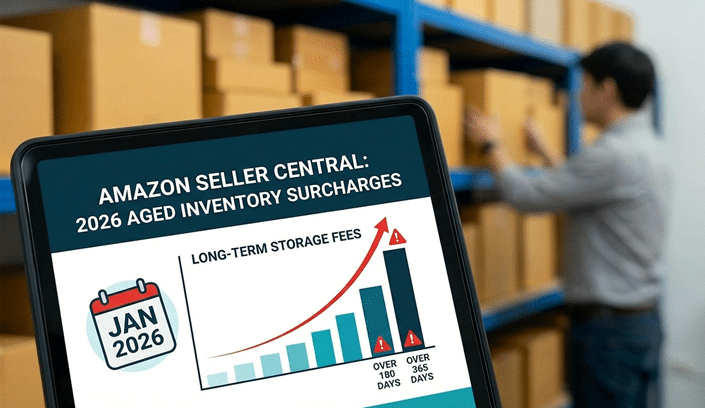
Amazon considers inventory to be “aged” when products remain stored in its fulfillment centers for more than 181 days. These products become subject to an aged inventory surcharge, which is charged in addition to the standard monthly storage fees.
The surcharge is typically assessed on the 15th of every month and applies to inventory that has remained unsold beyond Amazon’s specified aging thresholds.
However, the impact of aged inventory extends far beyond extra fees. Slow-moving stock ties up capital, occupies valuable warehouse space, and can negatively influence important seller performance metrics, including your Inventory Performance Index (IPI). Understanding how long products have been sitting in storage allows sellers to make smarter pricing, replenishment, and promotional decisions before inventory becomes a financial burden.
Why Is Amazon Aged Inventory a Problem?
Holding excess inventory for an extended period can create several challenges for Amazon businesses. Besides paying additional aged inventory surcharges, slow-moving products also occupy valuable fulfillment center space that could be used for faster-selling inventory.
When inventory remains unsold for months, your cash flow becomes tied up in products that aren’t generating revenue. This can limit your ability to invest in new inventory, launch additional products, or scale your business effectively.
In addition, aged inventory can negatively affect your account performance. Poor inventory management often leads to lower sell-through rates and reduced operational efficiency, making it harder to maintain a healthy Amazon business. Monitoring inventory regularly and taking action before products become aged is essential for long-term success.
How Amazon Aged Inventory Affects Your Inventory Performance Index (IPI)
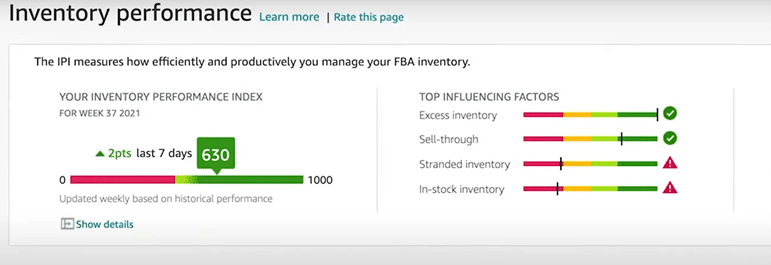
Amazon uses the Inventory Performance Index (IPI) to measure how efficiently sellers manage their inventory. The score evaluates several factors, including excess inventory, sell-through rate, stranded inventory, and product availability.
Aged inventory plays a significant role in lowering your IPI score. Products that remain in fulfillment centers for long periods are more likely to become obsolete or experience declining demand. As inventory ages, sell-through rates decrease while storage duration increases, both of which negatively influence your overall score.
If your IPI score falls below Amazon’s required threshold, your account may become subject to storage capacity limits. These restrictions can prevent you from sending additional inventory into Amazon fulfillment centers, making it difficult to maintain stock for your best-selling products.
To avoid these issues, sellers should maintain balanced inventory levels based on demand forecasts, lead times, and replenishment schedules. Keeping approximately two to three months of inventory available while continuously monitoring sales trends can help maintain a healthy IPI score and reduce unnecessary storage costs.
6 Effective Strategies to Reduce Amazon Aged Inventory
Reducing aged inventory requires more than simply clearing old stock. A proactive inventory management strategy helps you maintain healthy inventory levels, improve cash flow, and minimize unnecessary storage fees. Here are six proven ways to keep your Amazon inventory moving efficiently.
1. Monitor Your Inventory Turnover Rate
One of the most effective ways to prevent inventory from aging is by regularly tracking your inventory turnover rate. This metric shows how quickly your products are sold and replaced within a specific period.
A higher turnover rate generally indicates strong product demand, while a lower turnover rate may signal that certain products are moving too slowly. By identifying slow-selling SKUs early, you can adjust your pricing, improve marketing efforts, or reduce future purchase orders before inventory becomes aged.
Reviewing turnover rates consistently also helps you make smarter purchasing decisions and avoid tying up capital in products with low sales potential.
2. Create a Strategic Inventory Planning Process
Effective inventory planning is essential for maintaining the right balance between product availability and storage costs. Instead of ordering inventory based on estimates alone, use historical sales data, seasonal demand, and market trends to determine appropriate stock levels.
Products often experience fluctuations in demand throughout the year. Planning for these seasonal changes helps you avoid both overstocking and stockouts. Working closely with suppliers to schedule inventory replenishment based on actual demand can also reduce excess inventory and improve overall inventory efficiency.
A well-planned inventory strategy ensures that products arrive when customers need them without remaining in Amazon’s fulfillment centers longer than necessary.
3. Improve Demand Forecasting
Accurate demand forecasting plays a major role in preventing Amazon aged inventory. Forecasting allows you to estimate future sales based on historical performance, customer buying behavior, industry trends, and seasonal demand.
Rather than relying on guesswork, use available sales reports and performance data to predict how much inventory you’ll need for upcoming weeks or months. This approach helps minimize excess stock while ensuring popular products remain available for customers.
As your business grows, regularly updating demand forecasts enables you to respond quickly to changing market conditions, reducing the likelihood of products becoming slow-moving inventory.
4. Use Amazon’s Inventory Age and Inventory Health Reports
Amazon provides valuable inventory management reports that help sellers identify products at risk of becoming aged inventory. The Inventory Age and Inventory Health reports offer insights into how long products have been stored, excess inventory levels, sell-through rates, and recommendations for improving inventory performance.
Review these reports regularly to identify slow-moving products before they begin generating additional storage charges. Early action gives you more flexibility to adjust pricing, launch promotions, or reduce future replenishment orders.
Making inventory reports part of your routine helps you stay ahead of potential problems and maintain healthier inventory levels throughout the year.
5. Optimize Your Product Listings
Sometimes products remain unsold simply because customers are not finding them. Optimizing your Amazon listings can significantly improve visibility and increase conversion rates.
Start by reviewing your product titles, bullet points, descriptions, backend search terms, and images. Make sure your listings include relevant keywords that customers are actively searching for while clearly communicating your product’s features and benefits.
High-quality images, compelling copy, and optimized keywords help improve search visibility and encourage more shoppers to click on your listings. As sales increase, inventory moves faster, reducing the risk of products becoming aged inventory.
6. Boost Sales with Promotions and Advertising
When inventory starts moving slowly, targeted promotions can help generate demand and clear excess stock before additional storage fees apply.
Consider offering limited-time discounts, coupons, percentage-off promotions, or bundle deals to encourage purchases. Running Sponsored Products campaigns or Sponsored Brands ads can also increase visibility and drive qualified traffic to slow-moving listings.
You can further expand your reach by promoting products through social media, email marketing, influencer partnerships, or your own website. Combining Amazon advertising with external marketing efforts can improve sales velocity and help reduce long-term storage costs.
Best Practices to Prevent Amazon Aged Inventory
While resolving aged inventory is important, preventing it altogether should be your primary goal. Following a few inventory management best practices can help maintain healthy stock levels and improve overall business performance.
Some recommended practices include:
- Review inventory performance every week.
- Monitor sell-through rates and Inventory Performance Index (IPI) regularly.
- Forecast demand before placing large inventory orders.
- Avoid overstocking seasonal or trend-based products.
- Run promotions before inventory reaches aged status.
- Remove or liquidate products with consistently low demand.
- Replenish inventory based on actual sales data rather than estimates.
Taking these preventive measures helps reduce unnecessary storage expenses while improving cash flow and inventory efficiency.
Final Thoughts
Managing Amazon aged inventory is essential for maintaining a profitable and scalable business. Products that remain in fulfillment centers for extended periods not only increase storage costs but can also impact your Inventory Performance Index (IPI), reduce available storage capacity, and limit future growth opportunities.
The key to avoiding these challenges is proactive inventory management. By monitoring inventory turnover, forecasting demand accurately, optimizing product listings, reviewing Amazon’s inventory reports, and using promotions strategically, sellers can keep inventory moving and minimize unnecessary fees.
Successful Amazon businesses continuously evaluate their inventory performance rather than waiting until products become a liability. Developing a consistent inventory management process allows you to improve cash flow, reduce operational costs, and create a healthier, more sustainable Amazon business over the long term.