Earning the Amazon Best Seller badge is a goal for many sellers because it helps products stand out in a crowded marketplace. While strong sales are the primary factor behind receiving this badge, there is much more involved than simply selling the most units.
Amazon prioritizes products that offer customers a positive shopping experience. Listings that are properly optimized, competitively priced, and consistently generate sales have a much better chance of reaching the top of their category. In this guide, we’ll explain how the Amazon Best Seller badge works, the factors that influence it, and practical strategies that can help improve your chances of earning it.

What Is the Amazon Best Seller Badge?
The Amazon Best Seller badge is a highly recognizable orange label displayed on product listings that are leading in sales within their respective categories or subcategories. It helps shoppers quickly identify products that are currently performing exceptionally well and provides additional confidence during the buying process.
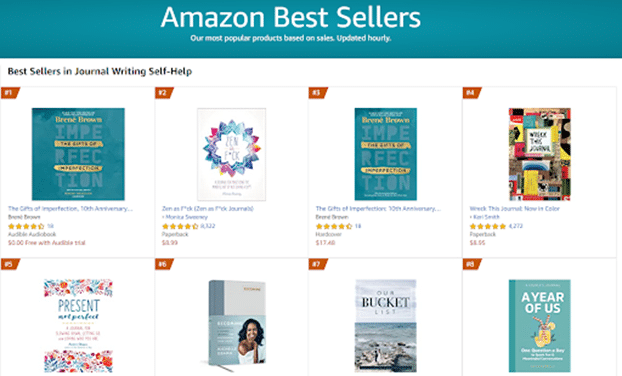
Although Amazon originally highlighted only one top-selling product in each category, the platform now recognizes multiple best-selling products across various categories and subcategories. The number of products displayed may vary depending on the size and competitiveness of the category.
Products that earn the Best Seller badge often receive greater visibility in Amazon search results. In many cases, these listings appear higher in search rankings and may even be shown for additional relevant search terms, giving sellers increased exposure and the opportunity to generate more sales.
Key Factors That Influence the Amazon Best Seller Badge
Amazon’s search algorithm evaluates several factors when determining product rankings, but one of the strongest indicators is sales performance. The Best Seller badge is typically awarded to the product generating the highest sales within a specific category or subcategory. Since Amazon frequently updates its Best Sellers Rank (BSR), rankings can change throughout the day as sales activity changes.
Although Amazon has never publicly shared the exact formula used to calculate BSR, consistent sales velocity, historical sales performance, and overall demand are widely recognized as major contributing factors. Products that maintain steady sales over time generally have a greater chance of securing and retaining the badge. In highly competitive categories such as Electronics, Clothing, and Toys & Games, achieving the top position requires a significantly higher volume of sales than in smaller niche categories.
The good news is that there are several proven strategies sellers can use to improve product visibility, increase conversions, and strengthen their chances of earning the Amazon Best Seller badge.
1. Build a Fully Optimized Product Listing
An optimized product listing is one of the foundations of Amazon success. Before updating your listing, it’s important to understand how customers search for products on the platform. Effective keyword research helps you identify the terms buyers are actively using, allowing you to align your listing with real shopping behavior.
Perform Thorough Keyword Research
A simple way to discover relevant keywords is by entering your product name into Amazon’s search bar and reviewing the autocomplete suggestions. These recommendations are based on actual customer searches, making them valuable for identifying high-intent keywords. You can also use professional keyword research tools to uncover additional search terms, search volume, and competitor insights.
Once you’ve identified your primary keywords, naturally include them in your product title, bullet points, product description, and other visible content. The objective is to improve search visibility while keeping the listing informative and easy to read.
Optimize Backend Search Terms
Backend search terms provide another opportunity to improve discoverability without affecting the customer-facing content. This section is ideal for adding alternative spellings, related search phrases, and relevant keywords that don’t naturally fit within your listing copy.
Avoid repeating keywords that already appear in your listing, and use the available character space efficiently by focusing on unique, highly relevant search terms.
Prioritise Keywords Strategically
When organizing your keywords, begin with the most relevant and highest-volume phrases before adding longer, more specific keyword variations. This approach keeps your content organized while improving its relevance for Amazon’s search algorithm.
For example, if you’re selling wooden hanging shelves, you could structure your keyword strategy like this:
- Hanging shelves
- Wooden hanging shelves
- Wooden hanging shelves for storage
Using a logical keyword hierarchy helps maintain readability while covering multiple search variations that potential customers may use.
2. Choose the Most Relevant Product Category
Selecting the right category plays a significant role in your chances of earning the Amazon Best Seller badge. Since every category has a different level of competition, choosing the most appropriate category can improve your product’s visibility and ranking potential.
Large categories with thousands of competing products often require a substantial number of daily sales to reach the top. On the other hand, niche categories and subcategories usually have fewer competitors, making it easier to achieve a higher Best Sellers Rank (BSR).
For example, if you sell a wooden floating shelf, listing it under a specialized subcategory such as Floating Shelves is generally more effective than placing it in a broad category like Home Décor. A well-matched category increases the likelihood of reaching customers who are actively searching for products like yours.
Avoid Listing Products in Irrelevant Categories
Some sellers attempt to earn the Best Seller badge by placing products in categories with lower competition, even when those categories are not the best fit. While this strategy may seem tempting, it often creates more problems than benefits.
Seasonal products, trending items, or products experiencing temporary spikes in demand may achieve strong sales regardless of category placement. However, using an unrelated category simply to reduce competition can negatively affect long-term performance.
When shoppers encounter a product that doesn’t belong in the category they are browsing, they are more likely to leave the listing without making a purchase. This can reduce your conversion rate, send negative signals to Amazon’s algorithm, and ultimately hurt your organic rankings.
Instead of chasing a short-term badge, focus on placing your product in the category that most accurately reflects what you’re selling. A relevant category improves customer experience, attracts qualified buyers, and supports sustainable growth over time.
3. Maintain Competitive Pricing
Pricing is another important factor that can influence both sales performance and product rankings. Buyers naturally compare similar products before making a purchase, so offering a competitive price can encourage more conversions without necessarily becoming the cheapest option.
Rather than engaging in a race to the bottom, aim to provide strong value for the price you’re charging. Monitor competing products within your category and adjust your pricing strategy when necessary to remain competitive while protecting your profit margins.
Before lowering your price, calculate all associated costs, including manufacturing, shipping, Amazon selling fees, advertising expenses, and other operational costs. A pricing strategy should increase sales without sacrificing long-term profitability.
While competitive pricing can help improve sales velocity and contribute to a stronger Best Sellers Rank, it should be combined with high-quality listings, positive customer experiences, and effective marketing efforts for the best results.
4. Strengthen Your Sales with Amazon Advertising
An effective advertising strategy can significantly increase your product’s visibility and help generate the consistent sales needed to compete for the Amazon Best Seller badge. Amazon Pay-Per-Click (PPC) advertising allows sellers to place their products in front of shoppers who are actively searching for similar items, making it one of the most valuable tools for increasing both traffic and conversions.
Advertising is especially important in competitive categories where multiple sellers are competing for the same customers. Even products with strong organic rankings can lose visibility if competitors invest in well-optimized advertising campaigns. This is one of the reasons established brands continue running PPC campaigns even after achieving strong sales—they use advertising to maintain market share and protect their rankings.
A successful Amazon strategy combines organic optimization with paid advertising. By continuously driving qualified traffic to your listings, you can improve sales velocity, strengthen your Best Sellers Rank (BSR), and increase your chances of earning the Best Seller badge.
Other Amazon Badges Every Seller Should Know
While the Best Seller badge is one of the most recognized achievements on Amazon, several other badges can also improve product visibility and influence customer purchasing decisions.
Amazon’s Choice Badge
Amazon introduced the Amazon’s Choice badge to help customers quickly identify products that offer a great combination of relevance, customer satisfaction, pricing, and availability. Initially designed to support voice shopping through Alexa, the badge has since become visible across Amazon’s website and mobile app. When shoppers use voice search or browse product results, Amazon’s Choice products are often recommended because they meet Amazon’s quality and performance standards. Receiving this badge can improve customer trust, increase click-through rates, and contribute to stronger sales performance.
New Release Badge
The New Release badge highlights recently launched products that are performing exceptionally well within their category. Although Amazon has not publicly disclosed the exact qualification requirements, successful products that earn this badge generally share several characteristics.
Products typically perform well when they rank highly for their primary keywords, offer something unique compared to competing listings, and feature fully optimized titles, images, bullet points, and descriptions. Strong early sales after launch also play an important role in helping new products secure this recognition.
“New” Badge
Amazon has also introduced a New badge for recently launched products. This badge is designed to draw attention to fresh listings and encourage shoppers to explore newly available products.
While Amazon has shared very little information about the criteria used to award this badge, it serves as another way for new listings to gain visibility during the early stages of their product lifecycle.
Final Thoughts
Earning the Amazon Best Seller badge is more than simply reaching the highest sales position within a category. It reflects a combination of consistent sales performance, optimized listings, strategic category selection, competitive pricing, and effective advertising.
Rather than focusing solely on obtaining the badge, sellers should prioritize delivering value to customers, creating high-quality product listings, and maintaining excellent customer service. As your sales continue to grow and your product earns customer trust, the Best Seller badge often becomes a natural result of a well-executed long-term strategy.
Success on Amazon comes from building a sustainable business, not chasing short-term recognition. By consistently improving your listings, monitoring performance, and adapting your strategy as the marketplace evolves, you’ll be in a much stronger position to increase sales, improve rankings, and achieve lasting growth.