Every Amazon seller aims to have their products appear at the top of Amazon’s search results without relying solely on paid promotions. Organic visibility brings consistent traffic, better credibility, and long-term sales growth.
However, reaching those top positions isn’t easy. With increasing competition, many sellers turn to Sponsored Ads to generate visibility and attract potential buyers.
This raises an important question: can investing in Amazon advertising also improve your organic search rankings over time?
The answer is yes—but only when advertising is backed by the right strategy. In this guide, we’ll explain how Amazon advertising influences organic rankings and share practical ways to use paid campaigns to strengthen your long-term organic performance.
Understanding the Difference Between Paid and Organic Sales
Amazon offers several advertising solutions, including Sponsored Products, Sponsored Brands, Sponsored Display, and other campaign types that help sellers promote their listings to shoppers. These ads operate on a pay-per-click model, meaning advertisers are charged whenever a customer clicks on their advertisement.
Organic sales, on the other hand, come from products that appear naturally in Amazon’s search results without requiring advertising spend. These rankings are determined by Amazon’s search algorithm, which evaluates several factors such as sales performance, keyword relevance, listing optimization, customer reviews, ratings, and overall product quality.
Unlike paid advertising, organic traffic doesn’t require ongoing advertising costs. Instead, it depends on creating well-optimized listings that provide value to customers and consistently perform well in search results.
Improving organic visibility requires a combination of strategies, including detailed keyword research, optimized product titles and descriptions, enhanced product content, strong customer reviews, competitive pricing, and fulfillment methods that improve the customer experience.
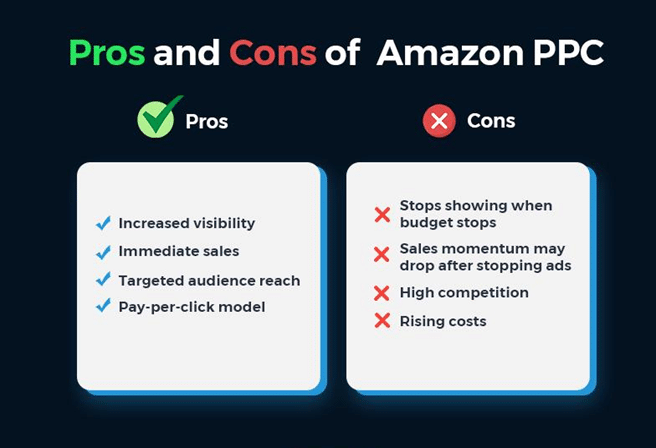
The biggest distinction between paid and organic sales is their long-term impact. Paid advertising can quickly increase visibility, drive traffic, and generate immediate sales, but it requires continuous investment and campaign management.
Organic sales take longer to build, but they create sustainable growth over time. Strong organic rankings help establish brand authority, reduce customer acquisition costs, and generate recurring sales without relying heavily on advertising budgets.
Paid Sales vs. Organic Sales: Which Should You Focus On?
Rather than choosing between paid and organic sales, successful Amazon sellers understand that both work best together.
Advertising helps products gain immediate visibility, while strong organic rankings provide lasting growth. When these two strategies support each other, sellers often experience higher traffic, improved conversions, and stronger overall business performance.
Think of paid advertising as the engine that accelerates growth, while organic rankings provide the momentum needed to maintain success over the long term. Using both approaches together creates a stronger and more balanced marketing strategy.
How Sponsored Ads Can Improve Organic Rankings
Amazon’s search algorithm considers multiple performance signals when determining where products appear in organic search results. These signals include click-through rates, conversion rates, sales velocity, customer reviews, and overall shopper engagement.
Generating these signals organically can be challenging, especially for new brands or recently launched products that have little visibility.
While it’s possible to wait for organic traffic to build naturally, this process is often slow and unpredictable. Products that appear on later pages of Amazon’s search results receive very little exposure, making it difficult to generate enough sales to improve rankings.
Since most shoppers rarely browse beyond the first page of search results, products with poor visibility often struggle to gain momentum.
Sponsored Ads solve this challenge by placing products in front of relevant shoppers immediately. Increased visibility leads to more clicks, higher conversions, and greater sales velocity—all of which send positive signals to Amazon’s algorithm.
As campaign performance improves, these stronger performance metrics can contribute to better organic rankings, allowing products to earn more unpaid traffic over time.
Strategies to Increase Organic Growth with Amazon Advertising
Now that you understand how paid advertising can positively influence organic rankings, the next step is implementing the right strategies. A well-planned advertising approach not only increases paid sales but also strengthens your product’s long-term organic visibility.
Here are some effective techniques to help improve your organic rankings through Amazon advertising.
Target High-Opportunity Keywords
The foundation of every successful advertising campaign begins with thorough keyword research. Identify high-volume search terms that shoppers frequently use but where your products currently have little or no organic visibility.
Along with keyword research, analyze competing products to discover valuable search terms driving traffic within your category. These insights help uncover opportunities that can generate meaningful growth.
Once you’ve identified these valuable keywords, allocate a competitive advertising budget toward them. Higher visibility on relevant searches increases your chances of generating clicks, conversions, and sales.
As sales begin to grow from these targeted keywords, Amazon receives stronger relevance signals, making it more likely that your products will gradually improve their organic rankings for those search terms.
Measure the Right Performance Metrics
Running advertising campaigns alone isn’t enough. You also need to monitor the right performance indicators to understand whether your paid efforts are contributing to long-term organic growth.
Instead of focusing solely on advertising costs, evaluate metrics that reveal how your organic presence evolves over time.
Organic Keyword Ranking
Track where your product appears organically for your most important keywords. An improving organic position is often one of the clearest signs that your advertising strategy is delivering long-term benefits.
Sponsored Ad Position
Keep an eye on where your Sponsored Product ads appear in search results. Ads placed near the top of the page generally receive significantly more visibility and clicks.
If your ad placement begins to decline, consider adjusting your bids or campaign settings to maintain strong exposure.
Organic Revenue
Monitor how much revenue comes from unpaid search results. Ideally, as your campaigns generate more visibility and sales, your organic revenue should gradually increase alongside your paid performance.
Share of Voice
Share of Voice measures how much visibility your product captures compared to competing products for specific keywords.
A higher share of voice means your listings are appearing in front of more shoppers, increasing opportunities for both paid and organic sales.
Top-of-Search Visibility
Products displayed at the very top of Amazon search results receive the majority of customer attention.
Tracking your top-of-search impression share helps determine whether your advertising efforts are consistently placing your products in the most valuable positions.
Greater visibility at the top often leads to more clicks, stronger sales performance, and improved organic rankings over time.
Total Advertising Cost of Sales (TACoS)
Rather than evaluating advertising efficiency using only ACoS, monitor your Total Advertising Cost of Sales (TACoS).
TACoS compares your advertising spend against your total sales, including both paid and organic revenue.
A declining TACoS generally indicates that organic sales are increasing while advertising becomes more efficient, making it a valuable long-term performance metric.
Best Sellers Rank (BSR)
Your Best Sellers Rank reflects how well your product performs compared to others in the same category.
Higher sales velocity typically leads to a stronger BSR, which often contributes to improved organic search visibility.
As advertising generates more sales, it can indirectly strengthen your product’s competitive position within its category.
Brand Search Volume
Track how often shoppers search directly for your brand name on Amazon.
An increase in branded searches usually indicates growing brand recognition and customer trust. Strong brand awareness often results in more repeat purchases and higher organic traffic.
External Traffic
Traffic from outside Amazon can also contribute to stronger overall performance.
Visitors arriving through search engines, blogs, social media, email campaigns, or influencer marketing increase product exposure and may generate additional sales that support improved ranking signals.
Using Amazon Attribution can help measure how effectively external marketing channels contribute to your Amazon performance and overall growth.
Why Tracking These Metrics Matters
Advertising should never operate on guesswork.
By consistently monitoring keyword rankings, organic sales, visibility, and advertising efficiency, you can identify which campaigns are driving meaningful long-term growth rather than simply generating paid traffic.
This data allows you to optimize budgets, improve campaign performance, and build stronger organic rankings over time.
Testing different advertising strategies is one of the most effective ways to uncover new growth opportunities. Instead of making permanent campaign changes, run controlled experiments over a set period to evaluate how specific adjustments affect your product’s visibility, sales, and organic ranking.
By testing one variable at a time, you can make informed decisions based on actual performance rather than assumptions.
Increase Your Daily Advertising Budget
One simple experiment is increasing the daily budget for campaigns that are already performing well.
Giving high-converting campaigns a larger budget allows your ads to remain active throughout the day, preventing missed opportunities when customers search for your target keywords.
With more consistent visibility, your listings can attract additional clicks and generate higher sales volume. Since Amazon values sales velocity as a ranking factor, increased sales may contribute to stronger organic positions over time.
For example, if a handful of keywords consistently deliver profitable conversions, temporarily increasing their campaign budgets can help determine whether greater exposure leads to sustained improvements in both paid and organic performance.
Prioritize Top-of-Search Placements
Appearing at the top of Amazon’s search results gives your products the highest chance of being seen by potential buyers.
Using bid adjustments for top-of-search placements allows you to compete more aggressively for these premium positions without raising bids across every placement.
When your products receive more impressions in these high-visibility locations, they often experience increased click-through rates and higher conversion rates.
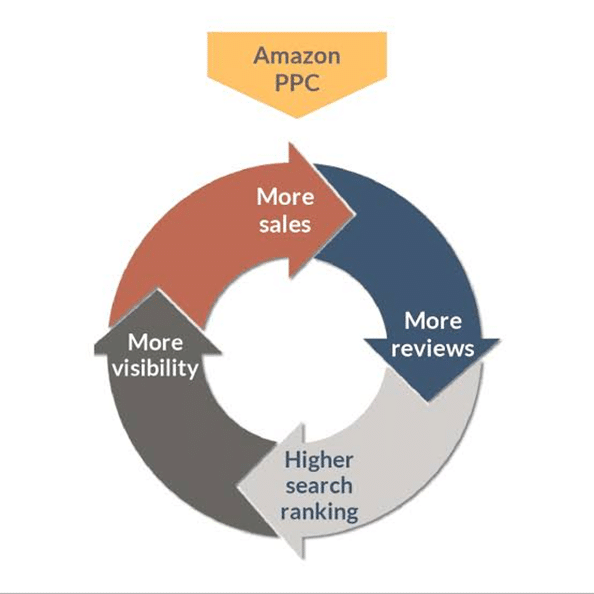
As sales continue to grow, Amazon recognizes the product’s strong performance, creating a positive cycle where increased visibility generates more sales, which can further improve organic rankings. This continuous cycle is commonly known as the advertising flywheel.
Temporarily Increase Your Target ACoS
Many sellers try to maintain the lowest possible Advertising Cost of Sales (ACoS), but during product launches or growth stages, accepting a higher ACoS can be a worthwhile investment.
Allowing more flexibility in your advertising costs enables you to bid more competitively on valuable keywords, helping your products reach more shoppers.
Although profitability may decrease temporarily, the additional traffic and conversions can improve sales velocity and strengthen your organic rankings.
Once your product gains consistent organic visibility, you can gradually optimize bids and reduce advertising costs while maintaining stronger overall performance.
Target Competing Products
Another effective strategy is running product-targeting campaigns against competing listings.
If your product offers advantages such as better pricing, stronger customer reviews, additional features, or improved value, advertising on competitor product pages can encourage shoppers to consider your listing instead.
Capturing buyers who are already interested in similar products can generate incremental sales, improve conversion rates, and strengthen the performance signals that influence Amazon’s search algorithm.
Understand the Advertising Flywheel
The advertising flywheel is a concept where paid advertising and organic growth continuously reinforce one another.
Advertising generates more visibility, which attracts additional clicks and conversions. Increased sales improve your product’s organic ranking, leading to even more unpaid traffic.
As organic traffic grows, total sales continue increasing while dependence on paid advertising gradually decreases.
Instead of viewing advertising as a standalone expense, think of it as an investment that can accelerate long-term organic growth when managed effectively.
Focus on Sustainable Growth
Successful Amazon advertising isn’t simply about increasing ad spend. The objective is to create a strategy that builds lasting organic visibility.
Carefully monitor campaign performance, identify winning keywords, and continue optimizing your bids based on real data. Over time, these efforts can help reduce your reliance on paid traffic while establishing stronger organic rankings across your most valuable search terms.
Leverage Amazon’s Built-In Growth Programs
Amazon provides several built-in programs that can help sellers increase product visibility, reach more shoppers, and support long-term organic growth. Taking advantage of these features can complement your advertising efforts and strengthen your overall marketplace presence.
Amazon Posts
Amazon Posts allow brand-registered sellers to publish lifestyle images and product-focused content that shoppers can browse while exploring related products on Amazon.
These posts function similarly to social media content, giving customers another opportunity to discover your products without additional advertising costs. Regularly publishing engaging posts can improve brand exposure, attract new audiences, and generate additional traffic to your listings.
Amazon Live
Amazon Live enables brands to showcase their products through live video demonstrations and real-time customer interactions.
Live shopping sessions allow you to answer questions, highlight product features, and build trust with potential buyers while they browse. Since these broadcasts appear across various areas of Amazon, they can significantly increase product visibility and help attract highly engaged shoppers.
If you’re enrolled in Amazon Brand Registry, Amazon Live can become a valuable tool for boosting awareness and encouraging conversions.
Amazon Influencer Program
The Amazon Influencer Program allows content creators to recommend products through their personalized Amazon storefronts while earning commissions from qualifying purchases. Partnering with influencers who serve your target audience can help introduce your products to new customers. Authentic product recommendations often generate qualified traffic, increase brand awareness, and contribute to stronger sales performance, which may positively influence organic rankings over time.
Measure Results and Continue Optimizing
No advertising strategy is complete without regular performance analysis. Tracking key metrics allows you to identify what’s working, uncover opportunities for improvement, and make better marketing decisions.
One of the most valuable metrics to monitor is Total Advertising Cost of Sales (TACoS). Unlike ACoS, which only measures advertising efficiency, TACoS compares advertising spend against your total revenue, including both paid and organic sales.
As your organic sales increase, TACoS should gradually decrease, indicating that your advertising efforts are helping build sustainable growth rather than relying solely on paid traffic.
During product launches or aggressive growth campaigns, both ACoS and TACoS may temporarily rise. This is expected, as newer products often require additional advertising investment to establish visibility. As your product gains traction and stronger organic rankings, overall advertising efficiency should improve.
It’s equally important to monitor your keyword rankings over time. Consistent improvements in organic positions indicate that your campaigns are strengthening your listing’s relevance and performance in Amazon’s search results.
Regularly reviewing campaign data allows you to refine your strategy, optimize budgets, and continue building long-term organic success.
Final Thoughts
Achieving strong organic rankings on Amazon requires more than simply creating a great product listing. Consistent visibility, healthy sales velocity, positive customer engagement, and strategic advertising all play important roles in improving search performance.
While paid advertising delivers immediate exposure, its greatest value lies in supporting long-term organic growth. When combined with listing optimization, keyword targeting, brand-building efforts, and continuous performance monitoring, advertising becomes an investment that helps strengthen your product’s position in Amazon’s search results.
Every business has different goals, budgets, and competitive challenges, so there is no one-size-fits-all strategy. Testing, measuring, and refining your campaigns will help you identify the approach that delivers the best balance between paid performance and sustainable organic growth.
By focusing on both short-term visibility and long-term optimization, you can build stronger rankings, attract more customers, and create a scalable Amazon business with lasting success.