
Managing Amazon seller accounts is entering a new era. Amazon has introduced the Solution Provider Portal (SPP) to improve security, simplify account permissions, and create a more controlled way for third-party providers to access seller and vendor accounts.
This is much more than a routine platform update. It represents a major change for agencies, consultants, freelancers, and software providers that manage Amazon businesses. With the migration deadline approaching, organizations that fail to transition risk losing access to client accounts, advertising activities, and important operational tools.
As the deadline draws closer, preparing early is essential. Understanding how the new portal works will help agencies avoid disruptions and continue supporting their clients without interruption.
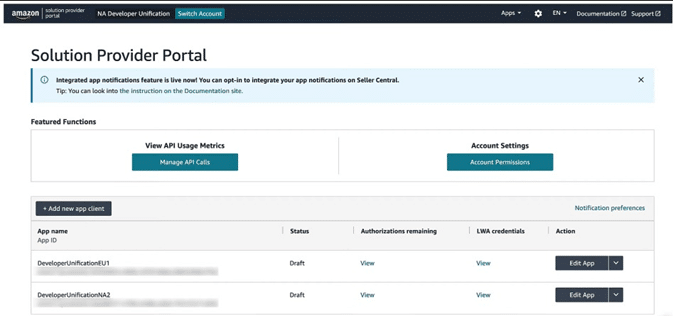
What Is the Amazon Solution Provider Portal (SPP)?
Amazon’s Solution Provider Portal (SPP) is a centralized platform created for third-party developers, agencies, consultants, and software providers that offer services to Amazon sellers and vendors.
The platform simplifies the way external partners connect with Amazon Seller Central and Vendor Central by providing one secure location to manage integrations, permissions, and account access. Rather than relying on multiple systems or shared credentials, organizations can manage all authorized accounts from a single dashboard, making collaboration more secure and efficient.
Key Features of the Amazon Solution Provider Portal
The Solution Provider Portal introduces several improvements that make account management easier while strengthening security and compliance.
Centralized Onboarding and Data Management
Instead of navigating several dashboards or requesting login credentials from different team members, users can access everything they need through one centralized platform.
The portal combines registration, access management, permission controls, API monitoring, and service management into a single interface. Whether an agency is onboarding a new client or managing existing integrations, the platform provides a streamlined experience for controlling permissions and overseeing authorized accounts.
API Usage Monitoring
Development teams often need clear visibility into how their applications interact with Amazon’s Selling Partner API (SP-API). The Solution Provider Portal includes a dedicated dashboard that makes monitoring API activity much simpler.
Developers can review application performance, organize usage reports by application or time period, monitor access levels, and examine activity logs from one location. This centralized visibility helps teams optimize API performance while maintaining stronger security and operational oversight.
Compliance Tools and the SP-API Health Dashboard
The portal also includes built-in compliance features designed to help organizations meet Amazon’s security requirements.
One of the most valuable resources is the API Health Dashboard, which provides detailed insights into API performance. Users can monitor important metrics such as request success rates, latency, and overall API reliability, allowing issues to be identified before they affect business operations.
Additionally, Amazon offers monitoring tools that continuously evaluate compliance with its security standards, helping solution providers maintain healthy API integrations.
User Permission Management
Not every employee requires the same level of system access. A developer may need permission to monitor API activity and troubleshoot integrations, while account managers may only require access to campaign reporting and historical performance data.
The Solution Provider Portal allows administrators to assign role-based permissions to individual team members instead of sharing a single login across the organization. New users can be invited simply by entering their name and email address, after which appropriate permissions can be assigned based on their responsibilities.
This approach improves security, protects sensitive information, and ensures each employee has access only to the tools necessary for their role.
Faster Deployment and Growth
Another major advantage of the Solution Provider Portal is its ability to accelerate implementation.
With built-in integrations and self-service management tools, agencies and software providers can onboard clients more quickly, discover new business opportunities faster, and reduce the time required to launch services within Amazon’s ecosystem.
Who Needs to Migrate to the Amazon Solution Provider Portal?
Any business or service provider that uses Amazon’s Selling Partner API (SP-API) must transition to the Solution Provider Portal (SPP). This migration applies to organizations that rely on Amazon’s APIs to deliver services, automate workflows, or manage seller accounts.
The following groups are expected to complete the migration:
- Amazon advertising agencies that manage PPC campaigns, reporting, and advertising optimization for sellers.
- Software providers offering inventory management, automation, analytics, repricing, or operational tools powered by SP-API.
- Consultants and managed service providers that assist sellers with account management, brand growth, or marketplace operations.
- Supply chain and logistics partners that depend on Amazon’s API infrastructure for day-to-day business activities.
- SP-API developers who build custom integrations or applications connected to Amazon’s marketplace ecosystem.
Important Migration Deadlines for Agencies and Service Providers
Migrating to the Solution Provider Portal is not optional. Amazon requires all existing Selling Partner API developers and solution providers to complete the transition before the official migration deadline.
Organizations that fail to register within the required timeframe may lose the ability to onboard new clients or maintain uninterrupted access to Amazon’s API services. Missing the final migration deadline could also interrupt integrations that agencies depend on for managing client operations.
To avoid unnecessary downtime, agencies should begin preparing early by reviewing their current API connections, updating internal processes, and completing registration well before Amazon’s cutoff date.
Why the Amazon Solution Provider Portal Matters
Amazon introduced the Solution Provider Portal to create a more secure, transparent, and efficient environment for businesses that work with Amazon sellers and vendors. The platform improves collaboration while giving sellers greater control over who can access their accounts and data.
Here are some of the biggest benefits.
Stronger Security and Compliance
Security has become a major priority within Amazon’s ecosystem. Instead of allowing unrestricted third-party access through shared credentials or secondary logins, Amazon now requires service providers to complete a formal registration and approval process.
Only verified organizations that meet Amazon’s requirements can access seller or vendor accounts through authorized channels. This significantly reduces the risk of unauthorized access, account misuse, and potential data breaches while creating a safer environment for everyone involved.
Better Permission Management
The Solution Provider Portal introduces role-based access controls that make account permissions much easier to manage.
Rather than granting every team member full account access, organizations can assign permissions according to each employee’s responsibilities. This minimizes the possibility of accidental changes or unauthorized actions while keeping sensitive information protected.
Sellers also gain more control by deciding exactly which agencies, consultants, or software providers can access their accounts. Permissions can be granted, modified, or revoked whenever necessary, giving account owners complete visibility over third-party access.
Improved API Monitoring
Monitoring API performance has become far more straightforward with the Solution Provider Portal.
Instead of relying on separate monitoring systems, developers can track API activity from a centralized dashboard. Performance metrics, request success rates, response times, and potential errors are all available in one place, making troubleshooting much faster.
This increased visibility helps agencies identify issues before they impact client operations while maintaining compliance with Amazon’s technical requirements.
Greater Transparency and Operational Efficiency
Beyond improving security, the Solution Provider Portal creates a more organized way for agencies and service providers to work within Amazon’s ecosystem.
Centralized account management, detailed reporting, simplified permission controls, and enhanced monitoring tools allow organizations to operate more efficiently while building greater trust with clients. By standardizing how third-party access is managed, Amazon is creating a more reliable environment for long-term business growth.
How to Migrate to the Amazon Solution Provider Portal Before the Deadline
Amazon has designed the migration process to make the transition as smooth as possible for existing solution providers.
Organizations already registered with Amazon’s developer programs or service provider ecosystem will receive guidance from Amazon regarding their migration schedule and the steps required to complete the process. Following these instructions carefully can help minimize disruptions to daily operations.
To prepare for the transition, agencies should communicate with both their internal teams and clients in advance. Keeping everyone informed about migration timelines and expected changes can help prevent interruptions to account management or ongoing campaigns.
Businesses that are new to Amazon’s ecosystem must first register through the Solution Provider Portal before building integrations or offering services that rely on Amazon’s APIs.
Developers using Selling Partner API integrations should monitor Developer Central for migration notifications and follow the prompts provided to begin the transition. Unlike some existing service providers, developers may be responsible for completing the migration process on their own, making it important to review Amazon’s instructions carefully and complete all required steps before the deadline.
Risks of Delaying the Migration
Failing to migrate to the Solution Provider Portal can have serious consequences for agencies, developers, and service providers. Since many daily operations depend on SP-API connectivity, losing access could significantly impact both internal workflows and client services.
Here are some of the biggest risks.Loss of SP-API Access
The most immediate consequence of missing the migration deadline is losing access to the Selling Partner API.
Without API connectivity, many automated processes—including inventory updates, order synchronization, reporting, and account management—may stop functioning. This can create operational delays and reduce overall efficiency.
Disruptions to Client Services
Many agencies depend on SP-API to manage multiple client accounts efficiently.
Without access, routine activities such as monitoring account performance, generating reports, managing inventory data, and handling operational tasks may require manual work or become temporarily unavailable. These disruptions can affect client satisfaction and business productivity.
Compliance Issues
Amazon has updated its security and operational requirements, making the Solution Provider Portal the standard method for managing third-party access.
Organizations that fail to migrate may no longer meet Amazon’s compliance requirements, which could limit their ability to continue operating within Amazon’s marketplace ecosystem.
Missing New Features and Improvements
The Solution Provider Portal introduces several capabilities that were not available through previous account management systems.
Features such as centralized permission controls, enhanced API monitoring, compliance dashboards, and improved access management provide greater visibility and efficiency. Organizations that delay migration may miss out on these productivity improvements while operating with outdated workflows.
How the Solution Provider Portal Will Impact Amazon Advertising Agencies
The introduction of the Solution Provider Portal changes how advertising agencies interact with Amazon seller accounts.
Instead of relying on traditional account access methods, agencies will now operate through a more structured and secure authorization process.
Some of the biggest changes include:
- Secondary logins will no longer be supported. Agencies can no longer switch between client accounts using shared or independent login credentials.
- Explicit client authorization becomes mandatory. Every client must officially approve an agency’s access through the Solution Provider Portal before account management can begin.
- Role-based permissions provide greater control. Sellers can decide exactly which areas of their account an agency may access, limiting permissions according to each team’s responsibilities.
- SP-API integrations must be updated. Agencies using custom software or automation tools connected through the Selling Partner API must migrate those integrations to remain fully functional under Amazon’s new system.
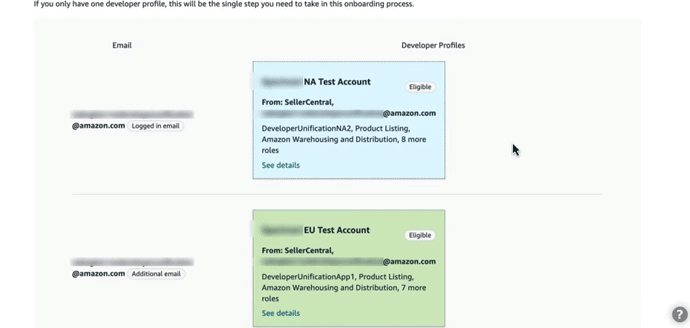
Common Challenges During the Amazon SPP Migration
Although migrating to the Amazon Solution Provider Portal (SPP) is mandatory, agencies and service providers may encounter a few challenges along the way. Understanding these potential obstacles can help ensure a smoother transition and minimize disruptions.
Authorization Delays
Before an agency can manage a seller’s account through SPP, the seller must approve the access request.
If clients overlook or delay these authorization requests, agencies may temporarily lose the ability to manage campaigns, access account information, or perform essential tasks. Proactive communication with clients before beginning the migration can help avoid unnecessary delays.
API Integration Issues
Migrating to the Solution Provider Portal may require updates to existing API configurations.
Businesses may need to reauthenticate applications, update credentials, or modify integration settings to ensure uninterrupted communication with Amazon’s Selling Partner API. If these updates are not completed correctly, organizations could experience issues with inventory synchronization, order management, reporting, or other automated processes.
Data Migration Challenges
During the migration process, historical business data may require additional verification.
Performance reports, advertising history, operational records, and other account information should be carefully reviewed after migration to ensure everything transferred correctly. In some cases, agencies may need to manually validate or reconfigure certain settings to maintain data accuracy.
User Permission Errors
One of the biggest advantages of SPP is role-based access management, but incorrect permission settings can create operational bottlenecks.
For example, assigning the wrong role to a campaign manager could prevent them from accessing the advertising tools needed to optimize campaigns. Taking time to configure permissions properly ensures every team member has access to the resources required for their responsibilities while maintaining account security.
Temporary Service Interruptions
Incomplete migrations or configuration mistakes may temporarily interrupt access to Amazon Seller Central or SP-API services.
These interruptions can affect reporting, automation, inventory management, and other business-critical functions. Completing the migration well before the deadline provides additional time to identify and resolve any issues without impacting client operations.
Compliance and Verification Requirements
Amazon continues to strengthen its security standards by requiring solution providers to complete identity verification and meet updated compliance requirements.
Organizations that fail to satisfy these requirements could experience restricted access or delays in approval. Preparing the necessary documentation in advance can help speed up the verification process.
Learning a New Platform
Teams that have spent years working within Seller Central or Developer Central may need time to become familiar with the Solution Provider Portal.
Although the new interface offers improved functionality, employees should be trained on features such as permission management, API monitoring, compliance tools, and reporting dashboards. Investing time in training early can improve adoption and reduce productivity losses during the transition.
Final Thoughts
The Amazon Solution Provider Portal represents one of the most significant changes to third-party account management in recent years. Rather than being just another platform update, it introduces a more secure, transparent, and structured way for agencies, developers, consultants, and software providers to work within Amazon’s ecosystem.
By completing the migration before the deadline, organizations can maintain uninterrupted access to client accounts, strengthen data security, and take advantage of new features designed to simplify account management. Waiting until the last minute increases the risk of operational disruptions, compliance issues, and unnecessary downtime.
Preparing early, reviewing your existing integrations, and educating your team on the new platform will help ensure a seamless transition. Agencies that adapt quickly will be well-positioned to continue delivering reliable services while staying fully aligned with Amazon’s evolving standards.