
Are Amazon scams still a concern for sellers? Unfortunately, yes. Discussions about fraudulent activities continue to appear across seller forums, and many merchants still report receiving suspicious emails, phone calls, and fake investigation notices.
These scams have evolved beyond simple requests for money. Today, fraudsters specifically target Amazon sellers, especially those who are new to the marketplace and still learning how Seller Central works.
Scammers understand Amazon’s systems surprisingly well. They often create convincing emails and messages that closely resemble official Amazon communications, making it difficult for inexperienced sellers to identify fake requests.
Although online scams have existed for years, cybercriminals constantly develop new techniques to exploit sellers. As Amazon continues to attract thousands of new businesses every day, fraudsters see an opportunity to target accounts that may not yet have strong security measures in place.
Research from Marketplace Pulse has previously highlighted the growing number of suspicious seller accounts appearing on Amazon, particularly during busy shopping seasons when marketplace activity is at its highest.
The good news is that while scams continue to evolve, there are practical steps every seller can take to reduce the risk and keep their Amazon business secure.
Are Amazon Scams Still a Problem?
Amazon remains one of the world’s largest eCommerce platforms, making it an attractive target for scammers.
Fraudulent sellers sometimes create fake listings for products they never intend to ship, collecting payments before disappearing. These activities not only affect customers but can also damage the reputation of legitimate sellers operating on the platform.
While Amazon has implemented various measures to combat fraudulent activity, many sellers believe the company often responds after scams occur rather than preventing them entirely. For this reason, every seller should understand the common warning signs and adopt security best practices to minimize potential losses.
Common Amazon Scams Every Seller Should Know
1. Phishing Scams
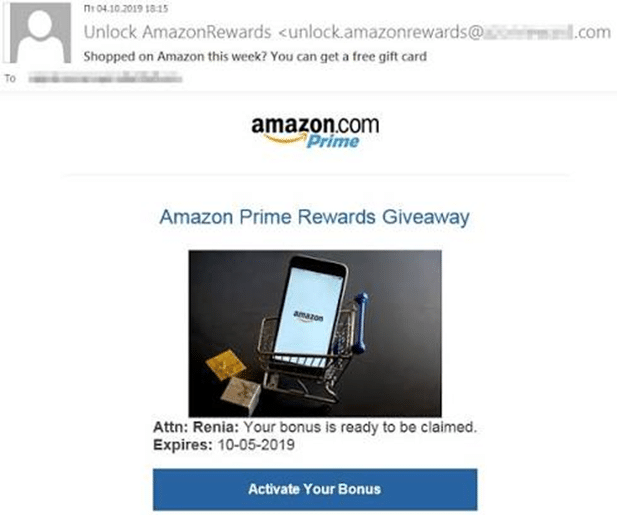
Phishing remains one of the most widespread threats facing Amazon sellers.
In a phishing attack, scammers impersonate trusted companies such as Amazon and attempt to steal sensitive information, including login credentials, payment details, or banking information.
These attacks usually arrive through email. The message often contains a malicious link directing sellers to a fake login page that closely resembles Amazon’s official website. Once the seller enters their credentials, scammers gain access to the account.
Modern phishing attacks have become increasingly sophisticated, making them difficult to recognize. Learning how these scams work is one of the best ways to protect your business.
Using security measures like SPF, DKIM, and two-factor authentication can significantly reduce the risk of falling victim to these attacks.
2. False Delivery Claims
Another common scam involves buyers falsely claiming that an order was never delivered.
In this situation, a customer purchases a product and later reports that it never arrived, requesting either a replacement or a refund—even though the package was successfully delivered.
While genuine delivery issues do occur, dishonest buyers sometimes exploit Amazon’s customer-friendly policies.
To reduce the chances of this happening, sellers should use tracked shipping services, especially for expensive products. Signature confirmation provides additional proof that the order reached the intended recipient, making it much easier to resolve disputes.
3. The Replace-and-Refund Scam
This scam typically targets sellers offering electronics, gaming consoles, or similar high-value items.
A customer orders a new product, receives it, and then replaces it with an older, damaged, or defective version before returning it for a refund. Since both products may appear identical, proving the switch can be extremely difficult.
One effective way to minimize this risk is by inspecting and testing products before shipping and applying tamper-evident security stickers. These labels cannot be removed without showing signs of damage, helping sellers identify whether the returned item is the same one originally shipped.
Including a note in the product listing stating that the item has been tested and sealed with a security label may also discourage fraudulent return attempts.
4. Email Scams
Email fraud remains one of the most common ways scammers target Amazon sellers.
A basic rule every seller should follow is this: Never ship an order unless it appears in your Seller Central account under “Manage Orders.”
If you receive an email requesting shipment for an order that doesn’t exist in your account, it’s almost certainly a scam.
Fraudsters often create fake order confirmations or shipping requests in an attempt to collect sensitive information or trick sellers into sending products without receiving payment.
Avoid replying to suspicious emails, and never download unexpected attachments or click unfamiliar links. Amazon does not ask sellers to provide confidential information through unsolicited emails, so any request of that nature should be treated with caution.
How to Protect Your Amazon Business from Scams
Protecting your Amazon business requires more than simply recognizing scams. Implementing proactive security measures can significantly reduce your risk of becoming a victim.
Below are several best practices every Amazon seller should follow.
1. Report Suspicious Activity Immediately
Whenever you notice unusual behavior or suspect fraudulent activity, report it to Amazon as soon as possible.
Whether it’s a suspicious seller, unauthorized activity, or potential account abuse, timely reporting helps Amazon investigate the issue before it escalates.
You can also report suspicious behavior through Amazon Seller Central or participate in discussions within the Seller Forums, where many sellers share ongoing scam alerts and account security concerns.
Providing accurate information—such as the seller’s storefront or relevant order details—can help Amazon investigate more efficiently.
2. Secure Your Seller Account
Your Amazon Seller Central account contains valuable business and financial information, making it a prime target for hackers.
To strengthen your account security:
- Create a strong, unique password.
- Update your password regularly.
- Enable Two-Step Verification (2SV).
- Avoid sharing login credentials with anyone.
Remember, Amazon will never ask for your password or sensitive account information through unsolicited emails or phone calls.
If you receive a message requesting confidential details, report it immediately instead of responding.
3. Respond Promptly to Customer Messages
Providing timely customer support not only improves buyer satisfaction but also helps build trust with Amazon.
Responding to customer inquiries within 24 hours demonstrates professionalism and often results in better seller feedback and ratings.
Maintaining strong communication, shipping orders on time, and providing accurate tracking information all contribute to a healthier seller account and reduce unnecessary disputes.
Keeping buyers informed throughout the shipping process also minimizes misunderstandings that could lead to false claims.
4. Enable Notifications for Account Activity
If you use automated repricing software or third-party seller tools, enable notifications whenever important account changes occur.
Instant alerts can help you detect unusual pricing updates, listing changes, or unauthorized activity before significant damage is done.
Early detection often makes the difference between resolving an issue quickly and dealing with a major account compromise.
5. Verify Every Email Address and Website
One of the easiest ways to identify phishing attempts is by carefully checking the sender’s email address and the website URL.
Official Amazon emails come from domains ending in @amazon.com.
If you notice unusual variations or unfamiliar domain names, treat the message as suspicious.
For example, addresses like:
- amazon-security@hotmail.com
- sellers-performance@payment-amazon.com
- amazon-seller-payments@msn.com
are not official Amazon email addresses.
Similarly, fake login pages often imitate Seller Central using misleading domain names.
Always verify that you’re visiting an official Amazon website before entering your login credentials. Genuine Seller Central URLs use Amazon’s official domain and do not contain extra words or unusual extensions designed to imitate legitimate websites.
Another helpful habit is hovering over links before clicking them. This allows you to preview the destination URL and identify suspicious websites before opening them.
Finally, poor grammar, spelling mistakes, or awkward formatting are often warning signs that an email may not be be genuine.
6. Enable Two-Step Verification (2SV)
One of the most effective ways to protect your Amazon Seller Central account is by enabling Two-Step Verification (2SV).
With this additional security layer, logging in requires more than just your password. You’ll also need a unique six-digit verification code generated by an authentication app or sent to your registered device.
Even if someone manages to obtain your password, they won’t be able to access your account without this second verification step.
Popular authentication apps like Google Authenticator or Authy can generate these one-time security codes, providing an extra level of protection against unauthorized access.
7. Never Share Confidential Information
Protecting your personal and business information is essential for keeping your Amazon account secure.
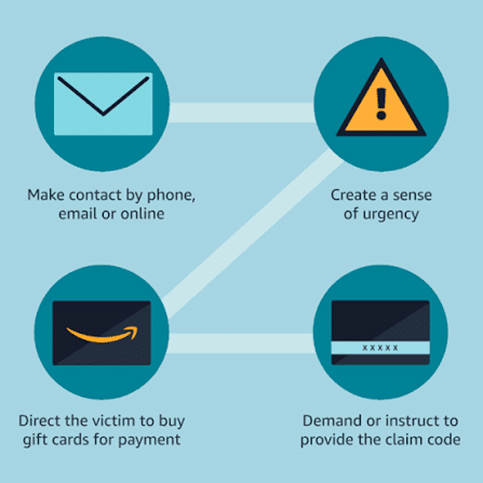
If someone claiming to represent Amazon contacts you by phone or email and asks you to share verification codes, passwords, banking information, or other sensitive details, consider it a major warning sign.
Amazon does not request confidential information through unsolicited emails, phone calls, or messages.
Likewise, never enter a verification code provided by someone else. These codes are meant only for your own login process, and sharing them could allow scammers to take control of your account.
Whenever you’re uncertain about a request, log in directly to Seller Central instead of using links provided in emails or text messages.
Additional Tips to Stay Safe from Amazon Scams
Besides following the core security practices, there are several additional precautions that can help safeguard your Amazon business.
- Carefully review every email claiming to be from Amazon. Poor grammar, spelling mistakes, and unusual formatting are often signs of phishing attempts.
- Never open suspicious attachments or click unfamiliar links, even if the email appears convincing.
- If you accidentally click a questionable link or believe your credentials may have been exposed, change your Seller Central password immediately.
- Monitor your account regularly for unexpected changes, unauthorized listings, or unfamiliar login activity.
- Whenever you need assistance, contact Amazon directly through Seller Central instead of responding to emails that request immediate action.
Remember that Amazon may occasionally contact sellers regarding important issues such as account performance, intellectual property complaints, or policy violations. However, you should always verify these notifications by signing in directly to Seller Central rather than relying solely on links included in emails.
When in doubt, access your account manually through your browser and review your notifications there. Taking a few extra moments to verify a message can prevent serious security issues.
How Amazon Is Combating Seller Fraud
As Amazon continues to expand its marketplace, combating fraud remains an ongoing challenge.
The company has introduced several programs and policies designed to improve marketplace trust, including anti-counterfeiting initiatives, account verification measures, and buyer protection programs. These efforts help create a safer environment for both customers and legitimate sellers.
Even with these safeguards, many sellers believe stronger preventive measures are still needed. Discussions within the seller community frequently suggest stricter verification procedures for newly created seller accounts, longer review periods before funds are released, and improved detection systems for fraudulent behavior.
Amazon continues to invest in marketplace security, and sellers can expect ongoing improvements as new fraud prevention technologies and policies are introduced.
Conclusion
Amazon scams continue to evolve, making it more important than ever for sellers to stay alert and follow strong security practices.
Whether it’s phishing emails, fake delivery claims, fraudulent returns, or account takeover attempts, understanding how these scams operate is the first step toward protecting your business.
Regularly monitoring your account, enabling Two-Step Verification, verifying every email and website before taking action, and reporting suspicious activity promptly can significantly reduce your risk.
While Amazon continues to strengthen its fraud prevention systems, sellers also play an important role in maintaining account security. By staying informed and adopting proactive safety measures, you can protect your business, your customers, and your long-term success on the Amazon marketplace.
Check Out Our Recent Blogs
- How Amazon Currency Converter Works in 2026?
- How to Start Reselling on Amazon Successfully?
- Amazon Seller Wallet: Features, Fees & Benefits