
If you’re shipping inventory to Amazon FBA, understanding Less Than Truckload (LTL) shipping can help you lower your inbound transportation costs. Once your inventory reaches a certain volume, using Amazon’s LTL shipping service often becomes more economical than sending multiple small parcel shipments.
But what exactly is Amazon LTL shipping, and when should you use it? This guide explains how LTL shipping works, its advantages, Amazon’s requirements, and the steps you need to follow for successful FBA deliveries.
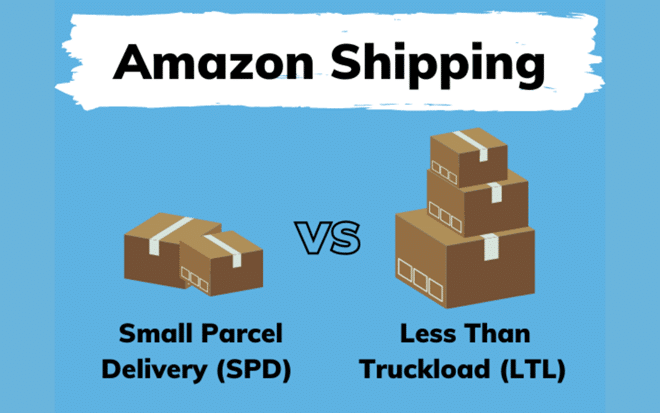
What Is LTL Shipping?
LTL, short for Less Than Truckload, is a freight shipping method designed for shipments that do not require an entire trailer. Instead of paying for a full truck, multiple businesses share the same trailer, and each shipper only pays for the space their freight occupies.
This shipping option is ideal for medium-sized shipments, typically weighing between 150 and 15,000 pounds, making it an affordable solution for Amazon FBA sellers sending larger inventory quantities.
Benefits of LTL Shipping
Choosing LTL shipping offers several advantages for Amazon sellers looking to optimize their logistics and shipping expenses.
Better Shipment Protection
Most LTL freight is transported on pallets before loading. Properly palletized inventory is generally more secure during transit and is less likely to be damaged than loose individual cartons.
Lower Shipping Costs
Because several shippers share the same trailer, each business only pays for the space it uses. This significantly reduces transportation costs compared to booking an entire truck.
Improved Shipment Tracking
LTL carriers provide detailed tracking information throughout the shipping journey. Sellers can monitor shipments using shipment reference numbers, PRO numbers, Bills of Lading (BOL), purchase order numbers, pickup dates, and other tracking identifiers.
Additional Carrier Services
Many LTL carriers also offer value-added services such as liftgate assistance, scheduled pickups, residential pickups, and expedited deliveries when needed.
Environmentally Friendly
Sharing trailer space with multiple shipments reduces fuel consumption and lowers overall carbon emissions, making LTL shipping a more sustainable transportation option.
When Should You Use Amazon LTL Shipping?
LTL shipping is a suitable choice in several situations:
- When you want to reduce inbound shipping costs.
- When your shipment weighs between 150 and 15,000 pounds.
- When your inventory is too large for parcel delivery but does not require an entire truck.
- When you’re shipping palletized inventory to Amazon fulfillment centers.
What Factors Affect LTL Shipping Rates?
Several factors influence the total cost of an Amazon LTL shipment.
Shipping Speed
Expedited freight services typically cost more than standard shipping because they prioritize faster delivery.
Freight Size and Weight
The overall dimensions and weight of your shipment determine its freight classification, which directly impacts pricing.
Shipping Distance
The farther your shipment travels, the higher the transportation cost will generally be.
Understanding Amazon LTL Shipments
Amazon partners with approved LTL and Full Truckload (FTL) carriers to transport inbound FBA shipments weighing more than 150 pounds.
When using an Amazon-partnered carrier, transportation charges are initially billed to Amazon. These costs are then charged back to your seller account as Inbound Transportation Charges, which appear in your settlement reports.
How to Arrange an Amazon LTL Delivery
If you’re sending palletized inventory to an Amazon fulfillment center using LTL shipping, it’s essential to follow Amazon’s shipping standards to avoid delays or rejected deliveries.
Pallet Labeling and Pallet Requirements
Every pallet must meet Amazon’s specifications before being shipped.
Use pallets measuring 1200 mm × 1000 mm where required by your destination marketplace, and ensure each pallet clearly displays the vendor’s name, origin and destination addresses, purchase order numbers, carton count, and pallet numbering.
If a pallet contains multiple SKUs that appear similar, clearly label it as Mixed SKUs or Mixed Merchandise.
All pallets should be securely wrapped in stretch film and include a notice instructing carriers not to remove the wrapping during transit.
Damaged pallets will not be accepted and may be rejected at the seller’s expense.
Pallets should not exceed 1.5 meters in height when shipped as single-stacked loads.
Individual cartons weighing more than 33 pounds must display a highly visible Heavy Weight label.
Finally, inventory should not extend more than 25 mm beyond any edge of the pallet.
Packaging Requirements for LTL Shipments
Proper packaging is essential to ensure inventory reaches Amazon fulfillment centers safely.
Every shipment should comply with Amazon’s packaging standards, including box quality, pallet construction, labeling, and secure wrapping to minimize the risk of damage during transportation.
Seller Responsibilities
As the shipper, you are responsible for preparing your inventory before it leaves your facility.
Your responsibilities include:
- Building palletized shipments.
- Using approved pallet types.
- Applying correct pallet labels.
- Scheduling delivery appointments.
- Preparing the Bill of Lading (BOL).
- Providing the carrier with the Amazon Shipment ID, PRO number, and reference ID.
Carrier Responsibilities
Your chosen carrier also has several important responsibilities throughout the shipping process.
The carrier must include the Amazon Shipment ID, PRO tracking number, and reference ID with the shipment documentation, ensure the vehicle meets Amazon’s transportation standards, and schedule delivery appointments before arriving at the fulfillment center.
Carrier Requirements for Amazon LTL Deliveries
Amazon expects all carriers to follow its inbound delivery standards.
The Bill of Lading should contain the Amazon Shipment ID, PRO tracking number, and reference ID. Carriers must also communicate pallet counts, carton quantities, and unit counts when requested.
Upon arrival, the driver should provide either a printed or digital copy of the Bill of Lading that meets Amazon’s documentation requirements.
Failure to comply with these standards may result in the shipment being refused.
Scheduling Delivery Appointments
Amazon requires all LTL deliveries to have a confirmed appointment before arriving at any fulfillment center.
Only approved commercial carriers can schedule delivery appointments, and every carrier must be registered with Amazon beforehand.
Appointments should generally be requested at least 24 hours before delivery. If a carrier arrives more than 30 minutes outside its scheduled appointment window, Amazon may refuse the shipment and require a new appointment.
In the event of weather delays or other unforeseen circumstances, carriers should notify Amazon as soon as possible so delivery schedules can be adjusted.
Steps to Schedule an Amazon Delivery Appointment
The appointment scheduling process typically involves several steps.
First, download and complete the FBA Booking Form. Send the completed form to your carrier along with Amazon’s Carrier Central instructions.
If necessary, create a Carrier Central account for the carrier. Once registered, the carrier can log in and request a delivery appointment.
Amazon usually reviews appointment requests within 24 hours and confirms the delivery date and time based on warehouse availability.
When requesting an appointment, always specify that the shipment is intended for Fulfillment by Amazon (FBA) and include the correct FBA Shipment ID to help prevent processing delays.
Vehicle Requirements
The vehicle transporting your inventory must satisfy Amazon’s unloading and safety standards.
The trailer floor should support fully loaded pallet jacks without issue and must be flat, undamaged, and free of structural defects.
Amazon does not accept trailers with uneven or corrugated flooring.
Vehicles should also be clean, dry, odor-free, and watertight, particularly when transporting food, grocery, or healthcare products.
If a trailer cannot be unloaded safely, Amazon reserves the right to reject either the entire shipment or part of it.
Amazon Seller Requirements for LTL Shipments
Amazon also establishes specific rules regarding pallet quality and shipment size.
A single LTL shipment cannot contain more than 4,999 cartons. Larger shipments must be divided into multiple shipment plans.
For pallet construction, Amazon recommends using 40-inch × 48-inch, four-way entry wooden pallets. Fragile pallet materials such as cardboard or particle board are not permitted.
Oversized products that cannot fit standard pallets should be placed on appropriately sized alternatives.
Depending on the product category, Amazon may require specific GMA pallet grades, including B Grade, 1A Grade, or 1B Grade pallets.
Broken or damaged pallets are not accepted and will typically be rejected during receiving.
How to Calculate Amazon FBA LTL Shipping Costs
Estimating your LTL shipping charges through Seller Central is straightforward.
Start by creating a shipment plan under Prepare Shipment.
Next, select Less Than Truckload (LTL) as your shipping method and choose Amazon-Partnered Carrier as the shipping carrier.
Enter your shipment packing information, followed by your pallet dimensions, weight, and total pallet count.
Unless your pallets are actually stackable, leave the Stackable Pallets option unchecked to avoid transportation issues.
Finally, provide your freight date, freight class, contact details, and declared shipment value before clicking Calculate to receive an estimated transportation cost.
Common Reasons Amazon Rejects LTL Deliveries
Amazon may refuse an inbound shipment if it fails to meet its receiving standards.
Common reasons include:
- No scheduled delivery appointment.
- Incorrect vehicle type.
- Multiple vehicles arriving under one appointment.
- Late or early arrivals.
- Unsafe pallets or trailers.
- Damaged inventory.
- Inaccessible pallets.
- Missing or incorrect paperwork.
- Tampered freight.
- Non-Amazon inventory blocking access.
- Vehicles that cannot be unloaded from the rear.
- Delivering quantities that exceed the approved appointment.
Conclusion
Amazon LTL shipping is an efficient and cost-effective option for FBA sellers shipping medium-sized freight. By sharing trailer space with other businesses, sellers can significantly reduce inbound transportation expenses while still benefiting from reliable tracking and professional freight services.
However, success with LTL shipping depends on following Amazon’s packaging, pallet, carrier, and appointment requirements. Proper preparation helps prevent rejected deliveries, delays, and additional costs, ensuring your inventory reaches Amazon fulfillment centers smoothly.