Think of yourself standing at the starting line of a race, surrounded by top-tier competitors. What will help you win? A well-planned strategy.
The same principle applies to FMCG brands. With countless competitors entering the market and consumers prioritizing affordability, standing out has become increasingly challenging.
So, how can your brand rise above the noise?
This is where effective FMCG marketing strategies come into play. When executed properly, these strategies can boost visibility, strengthen brand loyalty, and ultimately drive higher sales.
In this guide, we’ll explore 11 essential marketing strategies that can help FMCG brands not just survive, but thrive in today’s fast-paced consumer market.
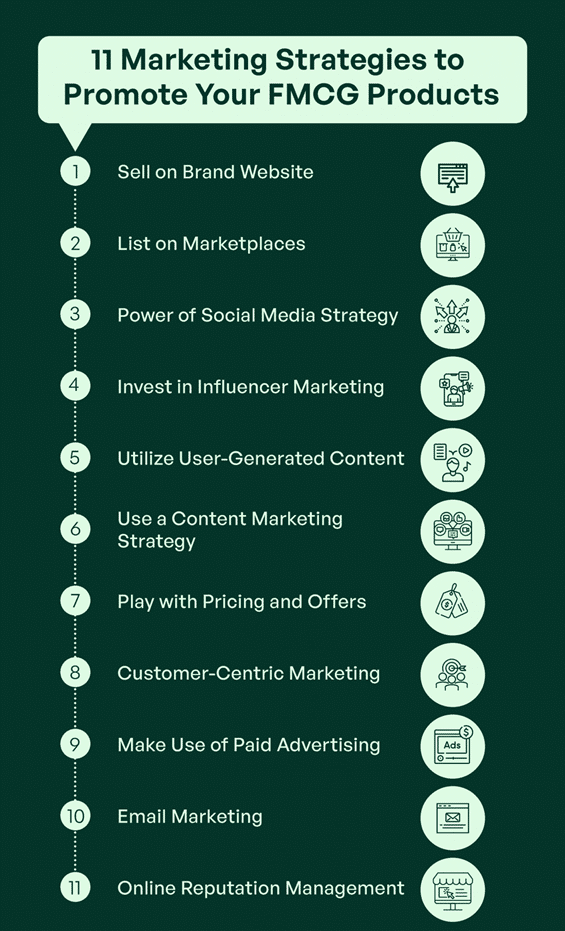
What are Fast-Moving Consumer Goods (FMCG)?
Fast-moving consumer goods (FMCG) refer to products that are purchased frequently and consumed quickly. These items typically have a short shelf life, high turnover rates, and are relatively low in cost.
They are everyday essentials that consumers buy regularly, often without much thought or research.
Food and Beverages
This includes items such as milk, bread, snacks, canned foods, soft drinks, and ready-to-eat meals.
Personal Care Products
Products like toothpaste, shampoo, soap, deodorant, and skincare items fall under this category.
Household Cleaning Products
Items such as detergents, disinfectants, cleaning agents, and paper goods like tissues and toilet paper are considered FMCG.
Healthcare Products
Over-the-counter medicines, vitamins, and first-aid supplies are also part of this segment.
Cosmetics and Beauty Products
Makeup, perfumes, and grooming products are included here.
Tobacco Products
Cigarettes and other tobacco-related items also fall into the FMCG category.
These goods are widely available through supermarkets, convenience stores, and online platforms. Due to the highly competitive nature of this industry, brands rely heavily on strong marketing strategies to gain and maintain market share.
Opportunities and Challenges of FMCG Marketing
The global FMCG market was valued at around $14.1 trillion in 2024 and is expected to grow to approximately $19.72 trillion by 2033. This growth highlights the immense potential within the industry.
One of the biggest advantages of FMCG products is their consistent demand. Consumers purchase these items regularly—sometimes daily or weekly—making them a stable source of revenue.
Even during economic downturns, these essential goods continue to sell, making the FMCG sector highly resilient.
However, this space also comes with its own set of challenges:
Intense Competition
The large customer base attracts numerous brands, making the market extremely competitive. Success requires creativity and strategic thinking.
Customer Attraction
With so many options available, grabbing customer attention becomes difficult—especially for newer brands. Effective marketing is essential to stand out.
Loyalty Challenges
Since many FMCG products are similar, customers often base decisions on price and promotions rather than brand loyalty.
Regional Differences
Success in FMCG also depends on understanding local preferences. Brands must adapt their strategies to suit different regions.
Despite these challenges, the right marketing approach can help brands overcome obstacles and achieve long-term success.
11 Must-Have Marketing Strategies for FMCG Brands in 2026
Now that we understand FMCG, let’s explore the strategies that can help your brand grow.
Build a Strong Brand Website
A dedicated website is one of the most valuable assets for any FMCG brand.
It allows you to showcase products, communicate your brand story, collect customer data, and drive conversions without direct competition.
A well-designed website also builds trust and credibility. To maximize results, ensure smooth navigation and drive traffic through SEO, social media, and paid ads.
Sell Through Online Marketplaces
Listing your products on online marketplaces increases visibility and accessibility.
Customers often browse online to compare ingredients, pricing, and reviews—even if they eventually purchase in-store.
Additionally, creating a mobile app for your brand can further enhance the shopping experience by offering convenience and local delivery options.
Leverage Social Media Marketing
A strong social media presence is essential for building awareness and connecting with customers.
Platforms like Instagram and YouTube allow brands to showcase products creatively through posts, reels, and videos.
Each platform requires a tailored approach, but together they help boost engagement, traffic, and sales.
Invest in Influencer Marketing
Consumers often trust influencers more than traditional brand messaging.
Partnering with the right influencers can significantly expand your reach and improve credibility.
For instance, a healthy snack brand collaborating with a fitness influencer can effectively target a health-conscious audience.
Use User-Generated Content (UGC)
Modern marketing is no longer one-sided—it’s about interaction.
User-generated content allows customers to promote your brand organically.
A great example is the “Share a Coke” campaign by Coca-Cola, where personalized bottles encouraged users to share their experiences online, resulting in massive global engagement.
Adopt Content Marketing
Content marketing helps drive organic traffic and build long-term relationships with customers.
This includes blogs, videos, guides, and product updates.
For example, a skincare brand can share tutorials, tips, and product usage guides to educate and engage its audience.
Experiment with Pricing and Promotions
Discounts, offers, and interactive campaigns can attract and retain customers.
Engagement strategies like quizzes, polls, and giveaways not only entertain but also strengthen customer relationships and encourage repeat purchases.
Focus on Customer-Centric Marketing
Customer experience plays a major role in FMCG success.
Consumers are more likely to stay loyal to brands that provide a positive experience.
By prioritizing customer satisfaction, brands can increase loyalty and boost long-term revenue.
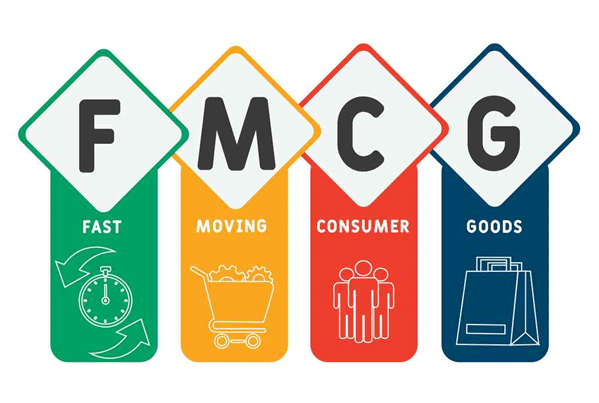
Run Paid Advertising Campaigns
Paid advertising helps amplify your reach and target the right audience.
Using platforms like Google and social media, brands can run campaigns that cover the entire customer journey—from awareness to purchase.
When optimized properly, these campaigns deliver strong returns on investment.
Utilize Email Marketing
Email marketing remains a powerful way to connect with customers.
It allows brands to personalize messages, promote products, and drive conversions.
Well-crafted campaigns can generate excitement and significantly influence buying decisions.
Manage Your Online Reputation
Your brand’s online image plays a crucial role in influencing customer trust.
Responding to reviews—both positive and negative—shows that you value customer feedback.
Monitoring and engaging in online discussions also helps strengthen your brand’s credibility and customer relationships.
Final Thoughts
FMCG marketing in 2026 is fast-paced, competitive, and constantly evolving.
From social media and influencer collaborations to customer-focused strategies and content marketing, brands have numerous tools to connect with their audience.
By implementing these strategies effectively, FMCG brands can stand out in crowded markets, build trust, and achieve sustainable growth.