
For over two decades, Amazon has continued to expand, building a massive and loyal customer base along the way. Today, it stands as one of the world’s leading eCommerce platforms, with no signs of slowing down. As we step into 2026, more sellers are entering the marketplace, making competition tougher than ever. This means now is the perfect time to refine your strategy and actively work on increasing your Amazon sales. Below are proven techniques to help you grow your product sales and maximize your return on investment.
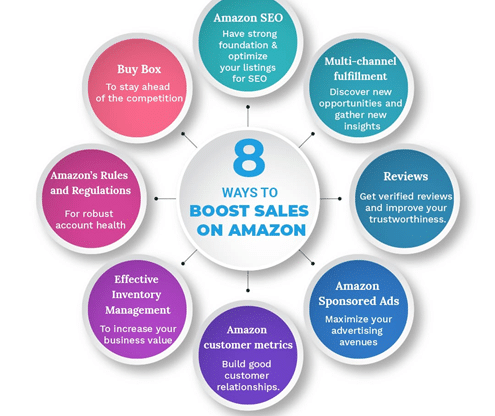
1. Build a Strong Foundation – Optimize Listings for SEO
To succeed on Amazon, aligning your product listings with Amazon’s search algorithm is essential. Your listings should be optimized with relevant keywords while clearly presenting key product details such as brand, features, materials, colors, and sizes. High-quality images are equally important, as they significantly influence buying decisions. Use professional visuals that showcase your product from multiple angles and highlight its key benefits.
Additionally, don’t overlook Google indexing. Well-optimized listings can appear in Google search results, bringing in external traffic. By evaluating your listing performance using SEO tools, you can identify gaps and improve visibility compared to competitors.
2. Leverage Multi-Channel Marketing for Growth
Expanding beyond Amazon opens up new revenue opportunities. If you’re not already selling across multiple platforms, now is the time to start. Customers interact with brands across various channels, including mobile apps, websites, and social media platforms. Limiting your business to one platform can restrict your growth potential.
Popular channels in 2026 include your own eCommerce website, PPC campaigns, marketplaces like eBay and Etsy, and social platforms such as Facebook, Instagram, and Twitter. You can also benefit from affiliate marketing and guest blogging to drive additional traffic.
Since Amazon has stricter communication policies, building your own customer base outside the platform is crucial. Offering discounts, coupons, or free shipping during special events can help attract and retain customers. Analyze customer behavior and purchasing patterns to develop a strong multi-channel strategy.
3. Collect Reviews to Boost Credibility and Sales
Online reviews act as social proof and play a major role in influencing purchasing decisions. Verified reviews increase trust and improve conversion rates. However, many customers don’t leave reviews unless prompted.
Using programs like Amazon Vine or automating review requests can help generate more feedback. Positive reviews not only build credibility but also improve product rankings and Best Seller Rank (BSR). Additionally, constructive feedback gives you valuable insights to improve your product and overall customer experience.
4. Make the Most of Amazon Advertising
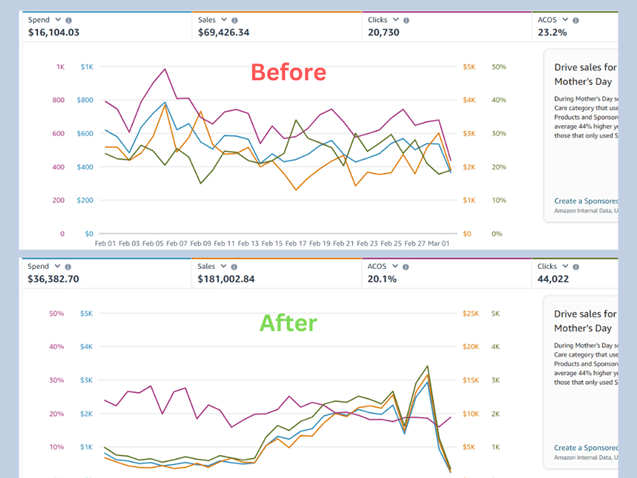
Advertising on Amazon has become essential for scaling sales in 2026. Sponsored ads allow your products to appear in front of high-intent buyers at different stages of the purchase journey. A well-balanced strategy that includes both automatic and manual campaigns can deliver strong results.
Instead of relying only on keyword optimization, invest in a comprehensive advertising approach. When executed correctly, Amazon ads can significantly improve visibility, traffic, and conversions.
5. Monitor Amazon Customer Metrics Carefully
Customer satisfaction metrics directly impact your account health and long-term success. Amazon prioritizes a positive buyer experience, making it crucial for sellers to monitor performance indicators regularly through Seller Central.
Order Defect Rate (ODR):
This metric reflects the percentage of orders with negative customer experiences, including complaints, chargebacks, or A-to-Z claims. A high ODR can harm your account health and should be kept as low as possible.
Pre-Fulfillment Cancellation Rate:
This measures how often orders are canceled before shipment. It typically occurs due to stock shortages. To stay within Amazon’s acceptable threshold (below 2.5%), maintaining proper inventory levels is essential.
Policy Violations:
Your account health dashboard will highlight any policy-related issues. Notifications range from warnings to serious risks, depending on severity. Addressing these promptly helps prevent account suspension.
Late Shipment Rate:
This indicates the percentage of orders shipped later than expected. Amazon recommends keeping this rate under 5% to maintain good performance.
Customer Response Time (CRT):
Timely communication is critical. Responding to customer inquiries within 24 hours helps maintain a healthy account and improves customer satisfaction.
6. Improve Inventory Management for Better Efficiency
Effective inventory management plays a key role in maintaining consistent amazon sales. Keeping products in stock helps improve your organic rankings and prevents missed sales opportunities. As operations grow, manual inventory tracking becomes inefficient and error-prone.
Using inventory management systems can streamline operations, reduce errors, and provide better forecasting. For larger sellers, customized internal systems can offer deeper insights into inventory trends and performance, enabling smarter decision-making.
7. Follow Amazon’s Rules and Policies
Account suspension remains a major concern for many sellers. Staying compliant with Amazon’s policies is essential to avoid disruptions in your business. Regularly reviewing updates and ensuring your listings and practices align with guidelines will help you maintain a healthy account.
8. Stay Competitive and Win the Buy Box
Winning the Buy Box is crucial for increasing sales on Amazon. To achieve this, you must analyze competitors and continuously refine your strategy. Although Amazon doesn’t disclose all ranking factors, several key elements influence Buy Box eligibility.
These include strong seller feedback, positive product reviews, fast and reliable shipping, low return rates, sufficient inventory, and competitive pricing. Sales history also plays a role in determining your chances. Staying proactive and optimizing these factors can improve your position significantly.
Conclusion
In summary, focusing on these strategies can significantly improve your Amazon sales while enhancing customer satisfaction. Leveraging the right tools, maintaining strong performance metrics, and adapting to market trends are essential for long-term success. As eCommerce continues to evolve rapidly, sellers who stay proactive and data-driven will gain a clear competitive advantage.