
Amazon is widely recognized as one of the largest e-commerce platforms globally, connecting millions of customers with businesses every single day. The individuals or companies that sell products through this platform are known as Amazon merchant or sellers. Essentially, they use Amazon as a marketplace to showcase and sell their goods. Due to its simplicity and accessibility, selling on Amazon has become one of the easiest ways to launch an online business, which is why more sellers continue to join the platform every day.
If you already run a product-based business, expanding to Amazon can be a smart move. To help you begin, here is a step-by-step guide to becoming a successful Amazon merchant.

Benefits for Amazon Merchant
There are several reasons why Fulfillment by Amazon (FBA) is highly popular among sellers, mainly due to the convenience it offers.
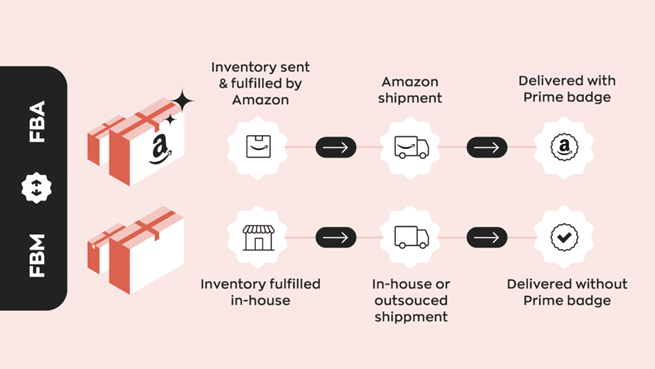
First, it saves a significant amount of your time by handling logistics. Your products also benefit from Amazon’s brand credibility, which increases the chances of making sales. Additionally, items fulfilled by Amazon often carry the Prime badge, making them more appealing to Prime members and improving their visibility in search results.
Another advantage is that Amazon manages customer service and handles returns on your behalf. You also don’t need to worry about shipping, as Amazon takes care of storage, packing, and delivery.
Step 1: Decide What Products to Sell
The first and most crucial step in starting your Amazon business is selecting the right product. Ideally, you should focus on items that are in high demand, cost-effective to source, and easy to ship without high expenses.
Product research can take time, but it is essential for long-term success. You need to evaluate factors such as competition, search demand, customer reviews, pricing, and shipping feasibility before finalizing your niche.
A common approach is to explore Amazon’s best-selling products to identify trends. However, since these rankings change frequently, it’s important not to rely solely on them. If you already own a business and plan to sell your existing products, you should carefully analyze your competitors, pricing strategies, and delivery options.
Step 2: Create a Seller Central Account
Amazon Seller Central is the main dashboard you will use to manage your selling activities. It allows you to track sales performance, monitor customer feedback, and review important business metrics.
This platform is also where you create and optimize your product listings. A well-optimized listing includes relevant keywords, high-quality images, and compelling product descriptions. Since your listing directly impacts visibility and conversions, it’s important to invest time in doing it properly.
Step 3: Choose a Shipping Method
As an Amazon merchant, you can either handle shipping yourself or let Amazon manage it.
If you choose to fulfill orders independently, you must work with a reliable shipping partner that ensures timely and safe delivery. You’ll also need to manage logistics, returns, and customer support on your own, while keeping shipping costs low to maintain profitability.
Alternatively, you can opt for Fulfillment by Amazon (FBA). With this option, you send your inventory to Amazon’s warehouses, and they handle storage, packing, shipping, and customer service. This allows you to focus more on growing your business rather than managing logistics.
Although FBA is more convenient, you should compare its fees with third-party logistics costs to determine what works best for your business.
Step 4: Understand the Costs of Selling
Before starting, it’s essential to understand the costs associated with selling on Amazon. The platform charges fees in exchange for providing access to its marketplace and services.
Sellers who list more than 40 items per month are categorized as Professional sellers and pay a monthly subscription fee. Those selling fewer items are classified as Individual sellers and are charged per sale.
In addition to these, Amazon charges referral fees, which act as a commission on each sale and vary by product category. Some categories also include additional closing fees.
If you choose FBA, you will pay fulfillment fees based on the size and weight of your products. Properly calculating these costs is crucial, as they directly impact your profit margins.
Step 5: Focus on Marketing Strategies
Competition on Amazon is intense, so having a strong marketing strategy is essential. Even with competitive pricing and quality products, visibility plays a key role in driving sales.
Amazon provides advertising tools that help sellers promote their products to a large audience. These campaigns can significantly boost visibility and conversions when used effectively.
However, successful advertising depends on having a well-optimized product listing. Without proper optimization, even the best campaigns may not deliver desired results.
Step 6: Track and Improve Performance
Building a successful Amazon business requires continuous monitoring and improvement. You should regularly analyze your performance metrics to identify what is working and what needs adjustment.
For instance, if a product receives many views but few purchases, it may indicate issues with pricing, images, or descriptions. Similarly, poor reviews may highlight quality concerns that need immediate attention.
Regularly reviewing your Seller Central data helps you make informed decisions and avoid potential setbacks.
Step 7: Seek Help When Needed
Navigating the Amazon marketplace can be challenging, especially for beginners. If you encounter difficulties, don’t hesitate to seek support.
Amazon provides a dedicated support team to assist sellers with their queries. You can also participate in seller forums where experienced amazon merchants share solutions and insights based on real challenges.
Learning from others can help you overcome obstacles more efficiently and improve your overall performance.
Final Thoughts
Starting a business on Amazon is relatively straightforward and provides access to a massive global customer base. It offers great opportunities for growth with relatively low entry barriers.
However, success doesn’t come instantly. Beginners may face challenges in understanding the platform and optimizing their strategies. Fortunately, Amazon offers various educational resources, including guides, tutorials, and webinars, to help sellers learn and grow.
With the right approach, consistency, and attention to detail, you can build a profitable and sustainable Amazon business over time.