
Imagine a world where shopping feels completely effortless—no waiting, no scanning, no checkout lines. That’s exactly the experience Amazon Go aims to deliver.
Amazon Go introduces a groundbreaking retail concept powered by advanced technology, removing the need for traditional checkout systems entirely.
As you step inside, the store feels like a glimpse into the future. Cameras and sensors quietly track your actions, while intelligent systems analyze your choices in real time.
There’s no need for carts or queues. Simply pick what you want and walk out.
Yes, it really is that simple.
No scanning. No delays. Just a smooth, uninterrupted shopping journey.
Let’s explore how Amazon Go works, the technology behind it, and why it’s changing the way people shop.
What is Amazon Go?
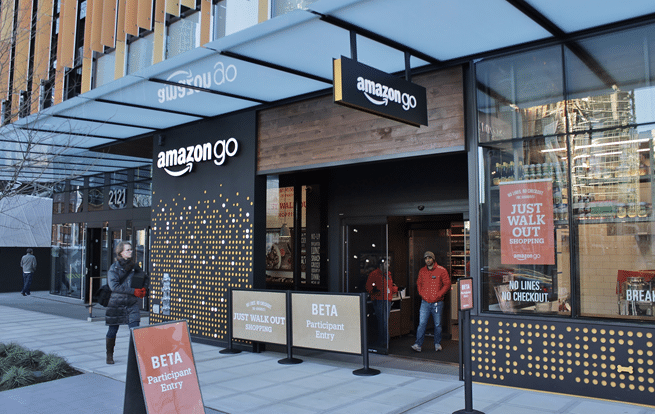
Amazon Go is an innovative retail concept launched by Amazon in 2018, designed to redefine the grocery shopping experience.
It marked a major shift in retail, building on Amazon’s earlier grocery ventures like Amazon Fresh and Prime Now. After acquiring Whole Foods in 2017, Amazon pushed further into physical retail with the launch of its first Go store in Seattle in early 2018.
The store offers a highly convenient in-person shopping experience. Customers enter by scanning the Amazon Go app on their smartphones, removing the need for traditional checkout counters. Once inside, they can begin shopping immediately without any interruptions.
The process is incredibly straightforward.
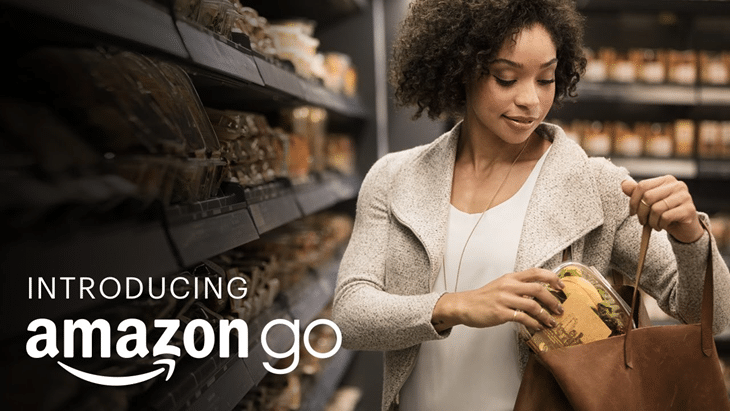
Customers pick items off the shelves and place them directly into their bags. Once finished, they simply leave the store—no checkout process required.
The Success of Amazon Go
Amazon Go has demonstrated strong financial performance, showing the potential of checkout-free retail.
Reports suggest that each store serves around 550 customers daily, generating approximately $1.5 million in annual revenue.
In comparison, traditional convenience stores of similar size typically earn just over $1 million annually, according to industry data.
This highlights how Amazon Go’s approach can outperform conventional retail models. By removing checkout friction and enhancing convenience, these stores attract more customers and increase overall sales.
How Amazon Go Works
The Amazon Go experience begins with downloading the app and creating an account.
Once registered, customers can enter the store by scanning their phone at the entrance.
Inside, the “Just Walk Out” technology powers the entire experience. This system combines cameras, sensors, and machine learning to track what customers pick up—or return to the shelves.
When shoppers are done, they simply exit the store. The system automatically calculates their purchases and charges their Amazon account. A digital receipt is then sent shortly afterward.
This seamless process eliminates the need for checkout lines entirely, offering a faster and more efficient shopping experience.
How Does Amazon Go Identify You?
Amazon Go uses a combination of technologies to recognize each shopper.
Customers begin by opening the app, logging into their account, and scanning a QR code at the entrance. This links their identity to their shopping session.
Additionally, cameras may capture facial features, while tracking systems monitor body movement throughout the store.
Some retail systems also utilize device identification from smartphones to enhance accuracy.
Together, these technologies ensure that each customer’s actions are tracked correctly, enabling accurate billing without manual input.
How Does Amazon Go Track Your Items?
The system behind Amazon relies on multiple technologies working together.
Although the exact setup is not fully public, it likely includes weight-sensitive shelves and overhead cameras that detect when items are picked up or returned.
By combining shelf data with customer movement tracking, the system can accurately determine who selected which product.
Another innovation includes smart carts, such as the Dash Cart, which weigh items as they are added or removed.
Some stores also explore technologies like RFID tags, self-scanning tools, and automated kiosks to further improve tracking accuracy.
How Does Checkout Work at Amazon Go?
It eliminates the traditional checkout process entirely.
Instead of paying at a counter, customers rely on their linked Amazon account for transactions.
As they shop, every item is automatically added to a virtual cart. When they leave the store, sensors detect their exit and finalize the purchase.
Customers can review their receipt through the app, ensuring transparency and accuracy.
This system removes the need for cash, cards, or manual payments, making transactions faster and more convenient.
Pros and Cons of Amazon Go
It offers a mix of advantages and limitations that are worth evaluating.
Advantages
No checkout lines
One of the biggest benefits is the complete removal of queues. Customers can shop and leave without waiting, saving time and effort.
Automatic payments
Billing is handled automatically using advanced technologies, reducing the need for manual transactions.
Fast and convenient shopping
The entire process is designed for speed, making it ideal for busy individuals who want a quick shopping trip.
Enhanced security
With multiple cameras and sensors, the store maintains a secure environment and minimizes theft or errors.
Disadvantages
Requires an Amazon account
Customers must have an Amazon account to shop, which may discourage those who prefer not to join the platform.
App dependency
The need for a smartphone and app can be inconvenient for people who are less tech-savvy or don’t use smartphones.
Limited product selection
Stores focus mainly on ready-to-eat meals, snacks, and essentials. Shoppers looking for a wider range of groceries may need to visit other stores.
Final Thoughts
Amazon offers a clear look at how retail is evolving. By combining advanced technology with a customer-first approach, it removes traditional pain points like long queues and slow checkouts.
While it may not completely replace traditional stores just yet, it sets a strong foundation for the future of shopping. As the concept expands and improves, checkout-free retail could become more common, reshaping how people interact with physical stores.