
Simply being listed on Amazon isn’t enough anymore—the real challenge is standing out. This is where your Amazon Unique Selling Point (USPs) plays a crucial role in positioning your product effectively.
A well-defined USP highlights what makes your product different and why customers should choose it over others. When you present your product to your target audience, including a compelling USP in your listing helps create a strong and lasting impression.
In this guide, we’ll explore what Amazon USPs are, why they matter, how they differ from value propositions, and how to analyze competitors. Most importantly, you’ll learn how to create a strong USP and see how leading brands develop theirs.
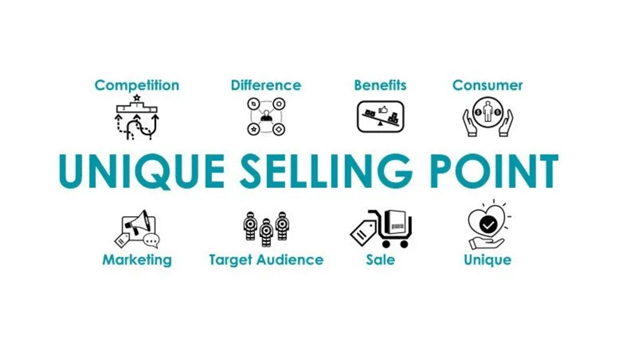
What Is a USP or Amazon Unique Selling Point?
A Unique Selling Point (USP) refers to one or more distinct features of your product that differentiate it from competitors. It focuses on what makes your product special and why it deserves customer attention.
Your USP could be anything from competitive pricing and innovative packaging to unique features or a strong brand story. Essentially, it emphasizes what makes your product uniquely valuable to your audience.
At its core, a USP brings focus to the “unique” aspect of your offering—what you do differently that appeals directly to your target customers.
Key Elements of a Strong USP
Simplicity
An effective USP should be simple yet powerful. It should communicate value quickly without being overly generic. The goal is to make it easy for customers to understand while still leaving a strong impact.
For example, Airbnb’s tagline “Belong anywhere” is short but emotionally compelling. It connects with travelers seeking comfort and a sense of belonging, making it highly effective.
Targeted and Specific
A USP must clearly speak to a specific audience. Generic statements like “the only mug you’ll ever need” lack impact. Instead, something like “unbreakable mug” instantly communicates a clear benefit.
Being precise helps customers quickly understand why your product is better than alternatives.
Reasoning and Credibility
A strong USP should also explain why the claim is valid. Instead of simply saying “unbreakable,” describing it as “made from durable polycarbonate for fall resistance” builds trust and clarity.
This allows customers to visualize the benefit and believe in the claim.
Value Addition
Your USP should address a real customer need or solve a problem. Whether it’s an existing gap or something customers didn’t realize they needed, your product should offer meaningful value.
For example, combining spill-resistance with durability creates a more appealing and practical product. Innovation that enhances usability makes your USP stronger.
Can a Product Have Multiple USPs?
Traditionally, brands focus on a single USP to keep messaging clear and memorable. However, in certain cases, having multiple USPs can be beneficial.
When a product serves different audiences, multiple USPs can highlight features relevant to each group. For instance, a smartphone may emphasize camera quality for photographers and display performance for gamers.
Similarly, products with multiple standout features can showcase different strengths. A mattress might highlight cooling in summer, warmth in winter, and portability as additional benefits.
Multi-Channel USP Strategy
Brands may also highlight different USPs across various marketing channels. For example, a product might focus on aesthetics in social media campaigns while emphasizing functionality in email marketing.
This approach allows businesses to connect with different customer motivations while maintaining a consistent brand message.
USP vs. Value Proposition: What’s the Difference?
Although USPs and value propositions are related, they are not the same.
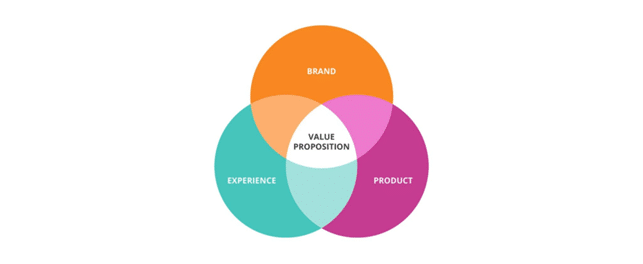
A value proposition is broader and includes all the benefits a product offers—such as quality, usability, and customer experience. It explains the overall value a customer receives.
In contrast, a USP focuses specifically on what makes the product unique. While value propositions may overlap across competitors, USPs should always be distinct.
In simple terms, a USP is a focused highlight, while a value proposition is a complete overview of benefits.
Why USPs Matter for Amazon Sellers
With millions of products listed on Amazon, competition is intense. Many products end up offering similar features, making it difficult for customers to differentiate between them.
This often leads to confusion and decision fatigue. A strong USP helps cut through the noise by clearly positioning your product.
Instead of blending in, your product stands out and guides customers toward making a decision more easily.
Improved Visibility in Search Results
A compelling USP can improve how your product performs in Amazon search results. When integrated into titles, bullet points, and descriptions, it enhances relevance and discoverability.
This can help your product gain more organic exposure and attract the right audience.
Faster Customer Decision-Making
Customers often feel overwhelmed when faced with too many similar options. A clear USP simplifies their decision by highlighting what matters most.
When customers quickly understand your product’s unique benefit, they are more confident in their purchase—leading to higher conversion rates.
Justifying Premium Pricing
In a price-driven marketplace, a strong USP allows you to justify higher pricing. When customers perceive greater value, they are more willing to pay extra.
This is especially important for premium products, where differentiation directly impacts profitability.
Consistent Marketing Across Channels
A USP acts as a foundation for all marketing efforts. Whether it’s social media, email campaigns, or ads, having a clear USP ensures consistent messaging.
This consistency helps build brand recognition and trust over time.
Unlocking Cross-Selling Opportunities
Highlighting unique product features can also open doors for cross-selling. For example, promoting a camera’s advanced features can naturally lead to recommending accessories like lenses or tripods.
A well-defined USP helps you expand your product ecosystem effectively.
How to Identify Competitors’ USPs
Understanding your competitors is essential for identifying market gaps and refining your positioning.
Start by analyzing top products in your category using relevant keywords. Observe how competitors present their products in titles, bullet points, and descriptions.
Customer reviews and Q&A sections are especially valuable. They reveal what customers like, dislike, and wish was improved—giving you insights into potential opportunities.
Additionally, studying competitor advertising can show what features they prioritize, helping you identify areas where you can differentiate.
How to Create a USP for Your Amazon Product
Understand Your Market
A deep understanding of your market is the first step. Pay attention to customer feedback on competing products and identify common pain points.
This helps you determine where your product can fit and how it can stand out.
Identify Unique Features
Analyze what makes your product different—whether it’s quality, design, usability, or performance.
Go beyond features and focus on the value it delivers. Think about how it improves the customer’s experience or solves a problem.
Craft a Clear Message
Your USP should be concise and easy to understand. Short, benefit-driven statements are more effective than complex descriptions.
Focus on how your product fits into customers’ lives rather than just listing technical details.
Integrate USP Into Listings
Once defined, your USP should be visible across your listing. Include it in the title, bullet points, and product description.
Use high-quality images and videos to visually communicate your product’s unique benefits. Lifestyle visuals can make your USP more relatable and persuasive.
Final Thoughts
A strong Amazon Unique Selling Point is essential for standing out in a competitive marketplace. It acts as the foundation of your product strategy and helps position your brand effectively.
By understanding your competitors, identifying gaps, and clearly communicating your product’s value, you can create a USP that resonates with customers.
When applied correctly, a USP not only differentiates your product but also supports long-term growth and success on Amazon.